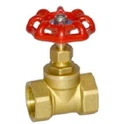
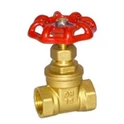
Determining the appropriate size of a gas valve is a crucial decision that can significantly impact the efficiency, safety, and performance of your gas system. As a reputable gas valve supplier, we understand the complexities involved in this process and are here to guide you through the key considerations to ensure you select the right valve size for your specific needs.
Understanding Gas Valve Basics
Before delving into the sizing process, it's essential to have a basic understanding of how gas valves work. A gas valve is a crucial component in any gas system, controlling the flow of gas from the source to the appliance. It regulates the pressure and volume of gas, ensuring that the appliance receives the correct amount of fuel for optimal operation. Gas valves come in various types, including Handle Gas Valve, Double-Fork Gas Valve, and Gas Regulator Valve, each designed for specific applications and requirements.
Factors Affecting Gas Valve Size
Several factors influence the size of the gas valve you need. Here are some of the most important considerations:
1. Appliance Requirements
The first step in determining the appropriate gas valve size is to understand the requirements of the appliance you are using. Different appliances have different gas consumption rates, which are typically measured in British Thermal Units per hour (BTU/h). The BTU rating of an appliance indicates the amount of heat it can produce, and this directly affects the size of the gas valve needed to supply the required amount of gas. For example, a large commercial stove may require a higher BTU gas valve than a small residential water heater.
2. Gas Type
The type of gas you are using also plays a significant role in determining the gas valve size. Natural gas and propane have different properties, including their energy content and density. As a result, the same appliance may require a different gas valve size depending on whether it is using natural gas or propane. It's important to ensure that the gas valve you select is compatible with the type of gas you are using to ensure safe and efficient operation.
3. Pressure Requirements
The pressure of the gas supply is another critical factor to consider when selecting a gas valve. Gas systems typically operate at different pressures, and the gas valve must be able to handle the specific pressure requirements of your system. The pressure rating of a gas valve indicates the maximum pressure it can safely withstand, and it's important to choose a valve with a pressure rating that exceeds the maximum pressure of your gas supply to ensure reliable operation.
4. Pipe Size
The size of the gas pipes in your system can also affect the size of the gas valve you need. Larger pipes can handle a higher volume of gas, which may require a larger gas valve to ensure proper flow. Conversely, smaller pipes may require a smaller gas valve to prevent excessive pressure drops and ensure efficient operation. It's important to consider the pipe size in conjunction with the other factors mentioned above to determine the appropriate gas valve size for your system.
Calculating the Required Gas Valve Size
Once you have considered the factors above, you can calculate the required gas valve size using the following steps:
1. Determine the Total BTU Load
The first step is to determine the total BTU load of all the appliances connected to the gas system. This can be done by adding up the BTU ratings of each appliance. For example, if you have a stove with a BTU rating of 50,000 BTU/h and a water heater with a BTU rating of 40,000 BTU/h, the total BTU load would be 90,000 BTU/h.
2. Consider the Gas Type and Pressure
Next, you need to consider the type of gas you are using and the pressure of the gas supply. As mentioned earlier, natural gas and propane have different properties, and the pressure of the gas supply can vary depending on your location and the type of system you have. You can consult the manufacturer's specifications or a professional gas technician to determine the appropriate gas valve size based on these factors.
3. Select the Appropriate Gas Valve Size
Based on the total BTU load, gas type, and pressure requirements, you can select the appropriate gas valve size from the manufacturer's catalog. Gas valve sizes are typically specified in terms of their orifice size, which is the diameter of the opening through which the gas flows. The larger the orifice size, the higher the flow rate of the gas valve. It's important to choose a gas valve with an orifice size that is appropriate for the total BTU load of your system to ensure safe and efficient operation.
Importance of Proper Gas Valve Sizing
Selecting the correct gas valve size is crucial for several reasons:
1. Safety
A properly sized gas valve ensures that the appliance receives the correct amount of gas, preventing over - or under - supply. An undersized gas valve may not provide enough gas to the appliance, resulting in inefficient operation and potential safety hazards. On the other hand, an oversized gas valve can cause excessive gas flow, which can lead to a dangerous buildup of gas and increase the risk of fire or explosion.
2. Efficiency
A correctly sized gas valve helps to optimize the efficiency of your gas system. When the gas valve is properly sized, the appliance can operate at its maximum efficiency, reducing energy consumption and saving you money on your utility bills.
3. Performance
Proper gas valve sizing ensures that your appliances perform as intended. Whether it's a stove, water heater, or furnace, a correctly sized gas valve allows the appliance to heat up quickly and maintain a consistent temperature, providing you with reliable and comfortable operation.
Working with a Gas Valve Supplier
As a gas valve supplier, we have the expertise and experience to help you select the right gas valve size for your specific needs. Our team of professionals can assist you in understanding the technical requirements of your gas system, calculating the required gas valve size, and selecting the appropriate valve from our extensive product range.


We offer a wide variety of gas valves, including Handle Gas Valve, Double-Fork Gas Valve, and Gas Regulator Valve, all of which are designed to meet the highest standards of quality and safety. Our valves are made from high - quality materials and are rigorously tested to ensure reliable performance in a variety of applications.
If you are unsure about the size of the gas valve you need or have any questions about our products, please don't hesitate to contact us. Our knowledgeable customer service team is ready to assist you with your gas valve selection and can provide you with detailed information and technical support. We are committed to helping you find the best gas valve solution for your gas system, and we look forward to working with you to ensure your satisfaction.
Conclusion
Determining the right size of a gas valve is a critical step in ensuring the safety, efficiency, and performance of your gas system. By considering factors such as appliance requirements, gas type, pressure requirements, and pipe size, you can calculate the appropriate gas valve size for your specific needs. Working with a reputable gas valve supplier like us can provide you with the expertise and support you need to make an informed decision. If you are in the process of selecting a gas valve or have any questions about gas valve sizing, we encourage you to reach out to us for professional advice and assistance. Let's work together to find the perfect gas valve solution for your application.
References
- ASHRAE Handbook of Fundamentals. American Society of Heating, Refrigerating and Air - Conditioning Engineers.
- National Fuel Gas Code (NFPA 54). National Fire Protection Association.
- Manufacturer's specifications for gas appliances and gas valves.