dennis@china-wins.com    +86-576-86275288
Cont

Have any Questions?

+86-576-86275288

Manifold

Your Professional Manifold Manufacturer


Zhejiang Wins Machinery is a family-owned and run company with over 35 years of experience in hot forging and machining of non-ferrous metals. We specialize in producing brass, manifold, aluminum, and steel components. Our goal is for a long-term successful partnership with our customers. 


Enterprise Strength

Total investment 110 million, covers an area of 40,000 square meters. We built long-term relationships with our customers such as Danfoss, Elster, Resideo, Wolf, Bosch, Honeywell, Manitomac, etc.


24H Online Service 

Our customer service representatives are available 24/7 to assist you with any inquiries, technical issues, or after-sales services.


Environmental Protection

As an environmental protection enterprise, production, and construction process, we will continue to promote energy conservation and emission reduction concepts. Most of our materials are recyclable and cause no environmental harm.


Professional Team

Our team consists of skilled engineers, technicians, and quality control personnel who have years of experience in valve manufacturing.


Stainless Steel Water Manifold


What Is Manifold?

In the industrial industry there are many instances where two or more requirements must be fulfilled at the same time. Combining gases or fluids, controlling multiple valves, operating pneumatic and hydraulic systems can all demand that multiple functions be performed simultaneously. Incorporating a manifold into a fluid power application in hydraulics or pneumatics can provide an easier and more efficient performance.


SS Manifold
Add to Inquiry
SS Manifold

SS manifold, Stainless Steel Manifolds (Accept OEM)
Stainless Steel Manifold With Flow Meter
Add to Inquiry
Stainless Steel Manifold With Flow Meter

2-13 Way Stainless steel manifold with flow meter (Accept OEM)
Stainless Steel Manifold With Temperature Control Valve Core
Add to Inquiry
Stainless Steel Manifold With Temperature Control Valve Core

2-13 Way stainless steel Manifolds (Accept OEM)
Four Way Brass Manifold
Add to Inquiry
Four Way Brass Manifold

Four way brass manifold (Accept OEM)
4 Way Brass Manifold
Add to Inquiry
4 Way Brass Manifold

4 Way Brass Manifold 16 Bar (Accept OEM)
Flowmeter Manifold
Add to Inquiry
Flowmeter Manifold

2 - 8 Way Brass Manifolds (Accept OEM)
Temperature Control Manifold
Add to Inquiry
Temperature Control Manifold

4 Way Brass Manifold (Accept OEM)
Manifold Tail Piece
Add to Inquiry
Manifold Tail Piece

Installed at the rear of manifold (Accept OEM)
Switch Valve Manifold
Add to Inquiry
Switch Valve Manifold

2 - 8 Way HPB 57-3 Brass Manifolds 16 Bar (Accept OEM)
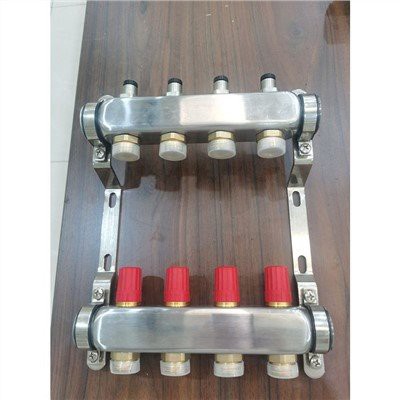
Stainless Steel Water Manifold
Add to Inquiry
Stainless Steel Water Manifold

1 (2-12 Way) Stainless Steel Manifold (Accept OEM)
304 Stainless Steel Manifold
Add to Inquiry
304 Stainless Steel Manifold

304 stainless steel manifold (Accept OEM)
6 Loop Radiant Heat Manifold
Add to Inquiry
6 Loop Radiant Heat Manifold

1 (2-12 Way) Stainless Steel Manifolds (Accept OEM)
Advantages of Manifold


High Efficiency

A manifold allows for the efficient distribution of fluids or gases to multiple outlets from a single source. It eliminates the need for multiple individual pipelines, which saves space and reduces installation costs.


Simplified Maintenance

With a manifold system, maintenance becomes much easier as all the outlets are centralized in one location. This allows for quicker troubleshooting, repair, and replacement of components.


Flexibility

Manifolds are highly customizable and can be designed to accommodate various configurations and requirements. They can be easily adapted and expanded as needed, which makes them suitable for a wide range of applications.


Improved Control

By using a manifold, it is possible to regulate and control the flow of fluids or gases to different outlets independently. This allows for better control over the distribution process, ensuring that each outlet receives the desired amount.


Reduced Leakage Risk

Manifolds minimize the number of connection points, reducing the likelihood of leaks. This not only improves safety but also helps in minimizing losses and optimizing the efficiency of the system.


Cost-Effective

Manifolds help in reducing material and labor costs associated with multiple pipelines. They also contribute to energy savings by minimizing pressure drops and ensuring efficient distribution.


Space-Saving

By consolidating multiple pipelines into a single manifold, valuable space can be saved. This is particularly advantageous in applications where space is limited or needs to be optimized.


Integration With Automation Systems

Manifolds can be easily integrated into automation systems, allowing for remote control and monitoring. This enables improved efficiency, accuracy, and consistency in the distribution process.

Manifold: Everything You Need to Know!


Manifolds are made up of several key components. A hollow container in the form of a pipe or tube is used to move fluid. Tees, elbows, crosses, plugs, and other parts are used to fit the pipe and tube to the manifold. The flow of the fluids through the ports of the manifold is controlled by having one or more valves attached. 

Team
Temperature Control Manifold


Types of Manifold

Hydraulic Manifold

Hydraulic manifolds are used in hydraulic systems to control the flow of fluid between various components. They typically feature multiple ports and valves to regulate the pressure, direction, and flow rate of the hydraulic fluid.

Pneumatic Manifold

Pneumatic manifolds are similar to hydraulic manifolds but are specifically designed for pneumatic systems. They distribute compressed air or gas to different outlets, allowing for precise control and regulation.

Exhaust Manifold

An exhaust manifold is used in automotive engines to collect and direct the exhaust gases from multiple cylinders into a single exhaust pipe. It helps to optimize engine performance and reduce emissions.

Heat Transfer Manifold

Heat transfer manifolds are used in heating, ventilation, and air conditioning (HVAC) systems to distribute hot or cold liquid or gas. They ensure even distribution of heat or cooling across different zones or rooms.

Gas Manifold

Gas manifolds are used in various industrial applications to distribute gases such as oxygen, nitrogen, or argon from a central source to multiple outlets. They are commonly used in welding, cutting, or laboratory processes.

Water Manifold

Water manifolds are used in plumbing systems to distribute water to multiple fixtures or appliances. They help regulate water flow, pressure, and temperature and are commonly used in residential or commercial buildings.

Electrical Manifold

Electrical manifolds are used in electrical systems to distribute power or signals from a central source to multiple devices or circuits. They help organize and manage complex wiring arrangements, ensuring efficient and reliable connectivity.

Fluid Distribution Manifold

Fluid distribution manifolds are used in various industries, such as oil and gas, chemical, or pharmaceutical, to distribute liquids or chemicals to multiple process lines or equipment. 


Materials of Manifold

The materials used to construct manifolds and manifold systems determine fluid compatibility, and also play an important role in performance.

Aluminum

A light and fairly corrosion-resistant metal that is typically anodized for increased corrosion and wear resistance. Aluminum has good temperature resistance but is relatively weak compared to steel.

01

Ductile iron

A variant of cast iron that retains its machinability and corrosion resistance.

02

Plastic

Any of numerous thermoplastic or thermosetting polymers of high molecular weight. Different grades have varying properties, but most have strong chemical and corrosion resistance.

03

Steel

General-purpose industrial metal with high physical strength and hardness. Steel is typically coated or finished to increase its corrosion resistance properties.

04

Stainless steel

A steel alloy with excellent chemical and corrosion resistance most commonly used for liquid or corrosive gas distribution systems.

05


FAQ

Q: What are the advantages of the exhaust manifold?

A: Besides acting as a channel and passage for exhaust gasses from the combustion chamber into the exhaust tubes, the exhaust manifold also helps improve engine output fuel efficiency and enhance overall car performance.

Q: What are the advantages of gas manifold system?

A: streamlines the handling of gas cylinders reduces transport costs reduces cylinder lease costs reduces the need for space makes gas cylinders easier to handle in the event of an emergency, such as a fire. Gas manifolds are either manual or fully/semi-automated, with an alarm function to give a warning when gas is running out also available.

Q: What is the use of manifold?

A: Manifolds are used extensively throughout the oil and gas industry for the distribution of gases and fluids. They are designed to converge multiple junctions into a single channel or diverge a single channel into multiple junctions. Manifolds are used extensively throughout the oil and gas industry for the distribution of gases and fluids. They are designed to converge multiple junctions into a single channel or diverge a single channel into multiple junctions. Simple manifold systems typically are used to divide one supply input to multiple outputs, while more complex systems incorporate integral valves or an electronic network interface. The specific features of a manifold will largely be determined by the specific application it is to be used in. In the oil and gas sector, manifold systems are used within exploration, development and production phases, particularly in wells using surface testing equipment.

Q: What Are the Differences Between an Exhaust Manifold and a Header?

A: Let's take a look at some of the differences between exhaust manifolds and headers 1.Exhaust manifolds are factory-fitted components in almost all vehicles while neaders are an aftermarket upgrade. Of course, there are exceptions as some high-performance cars come with headers from the factory 2.Manifolds are much cheaper than headers since headers need to be carefully developed for the engine that they are paired with, and they also use higher-performance materials 3.Exhaust manifolds are engineered by the manufacturer to provide a decent blend of performance, fuel economy, and efficiency, while headers are primarily engineered to provide maximum performance. 4.Headers tend to decrease exhaust back pressure, increasing performance under higher revs and resultant noise, while exhaust manifolds retain some back pressure which ensures drivability across a broader rev range,plus reduced noise

Q: How does exhaust manifold affect performance?

A: Your engine relies on what's called “backpressure,” which is pressure created by the exhaust system. This pressure develops as the gases evacuate the system, and a cracked exhaust manifold reduces backpressure. Consequently, your vehicle's engine will lose power, especially when you step on the gas to go faster.

Q: Do I need an exhaust manifold?

A: Whether or not you need an exhaust manifold depends on the specific engine and its design. In most internal combustion engines, an exhaust manifold is an essential component that collects and directs the exhaust gases from the engine’s cylinders to the exhaust system. Here are some points to consider: Engine Design: Most engines are designed with an exhaust manifold as part of their overall exhaust system. The manifold is responsible for collecting the exhaust gases from each cylinder and directing them into a single exhaust pipe. If your engine is designed this way, then you would typically need an exhaust manifold. Performance and Efficiency: An exhaust manifold plays a crucial role in optimizing engine performance and efficiency. It helps to ensure proper scavenging of exhaust gases, which can contribute to improved horsepower, torque, and fuel economy. If you want to maximize the performance and efficiency of your engine, having a properly designed and functioning exhaust manifold is important. Emissions Compliance: In many regions, there are regulations in place regarding emissions from vehicles. An exhaust manifold, along with other components of the exhaust system, helps to control and reduce harmful emissions. If you need to comply with emissions standards, having an exhaust manifold is necessary.

Q: Does an intake manifold increase horsepower?

A: Yes, an intake manifold can increase horsepower in an engine. The intake manifold is a crucial component of the engine’s air intake system and plays a significant role in optimizing airflow and fuel mixture to the cylinders. By improving the intake manifold design or upgrading to a high-performance intake manifold, you can potentially increase horsepower.The intake manifold controls the flow of air into the engine’s cylinders. A well-designed intake manifold can provide smoother and more efficient airflow, reducing restrictions and turbulence. This improved airflow can lead to better cylinder filling and combustion, resulting in increased horsepower.The design of the intake manifold can also influence the velocity of the air entering the cylinders. Higher velocity can help improve cylinder filling and promote better fuel atomization, leading to improved combustion and increased power output.

Q: How long do exhaust manifolds last?

A: The lifespan of an exhaust manifold can vary depending on several factors, including the material it is made from, the operating conditions it is exposed to, and how well it is maintained. In general, a properly functioning exhaust manifold can last anywhere from 50,000 to 100,000 miles or more. However, certain factors like excessive heat, corrosion, and physical damage can shorten its lifespan. Regular inspection and maintenance, such as checking for cracks or leaks, can help identify any issues early on and potentially extend the life of the exhaust manifold.

Q: Are headers louder than manifolds?

A: In general, headers tend to be louder than stock exhaust manifolds. Headers are designed with individual tubes for each cylinder, which allows for better exhaust flow and improved performance. This design often results in a more aggressive and louder exhaust note compared to the factory exhaust manifolds. The increased airflow and reduced restriction provided by headers can also contribute to a louder exhaust sound. However, it’s important to note that the overall sound level can also be influenced by other factors such as the type of mufflers or resonators used in the exhaust system.

Q: How do I choose a manifold?

A: When choosing an air manifold, you need to consider factors such as application type, operating temperature and the maximum flow and pressure range required for your pneumatic system. Material choice is also important, which is why we offer several manifold material options to meet your application requirements.

Q: What are the applications of manifolds?

A: Manifolds are used extensively throughout the oil and gas industry for the distribution of gases and fluids. They are designed to converge multiple junctions into a single channel or diverge a single channel into multiple junctions.

Q: Are manifolds used in automotive systems?

A: Yes, manifolds are commonly used in automotive systems. Manifolds are devices that help regulate the flow of air, fuel, or exhaust gases in an engine. In automotive applications, there are several types of manifolds used: Intake Manifold: It supplies air or air-fuel mixture to the engine cylinders. It is usually made of cast aluminum and has passages that distribute the intake charge to each cylinder. Exhaust Manifold: It collects exhaust gases from the engine cylinders and directs them to the exhaust system. Exhaust manifolds are often made of cast iron due to its heat resistance. Turbocharger Manifold: Used in turbocharged engines, this manifold collects exhaust gases and directs them to the turbocharger turbine, which then compresses the intake air. EGR (Exhaust Gas Recirculation) Manifold: EGR systems recirculate a portion of the exhaust gas back into the engine cylinders to reduce emissions. The EGR manifold routes the exhaust gases to the intake manifold for recirculation. Manifolds play a crucial role in optimizing engine performance, improving fuel efficiency, and reducing emissions, making them integral components in automotive systems.

Q: Are manifolds used in plumbing systems?

A: The plumbing manifold only provides hot water in radiant heating systems, but in PEX plumbing systems it provides both hot and cold. In a PEX system, the hot and cold water lines that feed each fixture are connected to the manifold.

Q: Are there any safety considerations when working with manifolds?

A: Manifolds in automotive systems require safety precautions. They can become hot during engine operation, so it is necessary to allow cooling time and wear protective gear. Ensure the engine is shut off and cooled before working on manifolds. Use proper tools and follow manufacturer guidelines. Beware of exhaust fumes and work in well-ventilated areas. Secure fasteners and inspect gaskets for damage. Refer to service manuals for specific instructions and safety measures. By adhering to these considerations, a safe working environment can be maintained.

Q: Can manifolds be used in heating systems?

A: Yes, manifolds can be used in heating systems. In heating systems, manifolds are commonly used to distribute hot water or other heating fluids to different areas or zones within a building. They serve as a central point where multiple pipes or tubes are connected, allowing for efficient and controlled distribution of heat. Manifolds in heating systems typically include valves or flow control devices that regulate the flow of hot water to each zone, allowing for individual temperature control and energy savings. By utilizing manifolds, heating systems can be designed and installed in a way that ensures optimal heat delivery and comfort throughout the building.

Q: Can manifolds be used for controlling the flow of electricity?

A: No, manifolds are not typically used for controlling the flow of electricity. In electrical systems, manifolds are not a common component. Instead, devices such as circuit breakers, switches, and relays are used to control the flow of electricity. Manifolds are primarily used in fluid systems, such as plumbing or hydraulics, to distribute or control the flow of liquids or gases. They are designed and built to handle the specific requirements and properties of fluid flow, rather than electrical current.

Q: What are some key features to consider when choosing a manifold?

A: When choosing a manifold, there are several key features to consider. These include: Material: The material of the manifold should be compatible with the fluids or gases it will be handling. Common materials for manifolds include brass, stainless steel, and PVC. Pressure rating: Consider the maximum pressure that the manifold will need to withstand. Ensure that the chosen manifold has a pressure rating that exceeds the system’s requirements. Number of ports: Determine the number of ports or outlets needed for your specific application. Manifolds come in various configurations, such as 2-way, 3-way, 4-way, etc., with each port capable of accommodating a connection or control device. Port size: Consider the diameter or size of the ports on the manifold. Ensure that they are compatible with the pipes or tubing you will be connecting. Valve options: Some manifolds come with built-in valves or flow control devices, while others may require additional valves to be installed. Choose a manifold with the appropriate valve options for your system’s needs. Mounting options: Consider how the manifold will be mounted or installed. It should offer suitable mounting options, such as brackets or flanges, that are compatible with your installation requirements. Compatibility with accessories: Determine if the manifold is compatible with any additional accessories you may need, such as pressure gauges, temperature sensors, or flow meters.

Q: Are manifolds used in the oil and gas industry?

A: Manifolds are commonly used in the oil and gas industry. They play a crucial role in controlling the flow and distribution of fluids in various processes, such as drilling, production, and transportation. In drilling operations, manifolds are used to control the flow of drilling mud or fluids from the rig to the wellbore. They help regulate the pressure, direct the flow to different areas of the drilling system, and facilitate the circulation of fluids. In production operations, manifolds are used to distribute and control the flow of oil, gas, or other fluids from multiple wells to processing facilities. They help manage the pressure, temperature, and flow rates of these fluids, allowing for efficient production and transportation. Manifolds are also used in pipeline systems to control the flow of oil or gas between different sections of the pipeline network. They can be designed to handle high pressures and ensure the safe and efficient transport of fluids. Overall, manifolds are an integral component in the oil and gas industry, providing reliable and precise control over fluid flow in various applications.

Q: Can manifolds be used in renewable energy systems?

A: Yes, manifolds can be used in renewable energy systems as well. Renewable energy systems, such as solar thermal systems, geothermal systems, and biomass systems, often require the distribution and management of fluids or gases to generate and harness renewable energy. For example, in a solar thermal system, manifolds can be used to distribute heat-transfer fluid (e.g., water or antifreeze solution) between the solar collectors and the heat exchanger or storage tank. The manifold helps regulate the flow of fluid, ensuring efficient heat transfer and distribution throughout the system.

Q: Are manifolds used in medical equipment?

A: Multilayer plastic manifolds have become the answer for medical devices in the search for smaller, more portable, and lower-maintenance devices. As a result, many producers use them in countless medical applications, including blood analyzers, reproductive health instruments, plastic surgery tools, and dental drills.


Zhejiang Wins Machinery Co., Ltd is one of the most professional manifold manufacturers and suppliers in China, specialized in providing customized service with competitive price. We warmly welcome you to buy the best manifold for sale here and get quotation from our factory. Also, OEM service is available.

1 brass check valve, black towel radiator valves, brass fuel petcock

(0/10)

clearall