dennis@china-wins.com    +86-576-86275288
Cont

Have any Questions?

+86-576-86275288

Brass Ball Valve

First 12 Last1/2
9b4ee1457c5be10d8ae9937e5ecf53c1
 
Wholesale Brass Ball Valve Supplier
 

Zhejiang Wins Machinery is a family-owned and run company with over 35 years of experience in hot forging and machining of non-ferrous metals. We specialize in producing brass ball valves. Our service covers the entire process from components, through to tool design, rapid prototyping, tool making, to complete machined forgings.

Enterprise Strength

Total investment 110 million, covers an area of 40,000 square meters. We built long-term relationships with our customers such as Danfoss, Elster, Resideo, Wolf, Bosch, Honeywell, Manitomac, etc.

24H Online Service 

Our customer service representatives are available 24/7 to assist you with any inquiries, technical issues, or after-sales services.

Environmental Protection

As an environmental protection enterprise, production, and construction process, we will continue to promote energy conservation and emission reduction concepts. Most of our materials are recyclable and cause no environmental harm.

Professional Team

Our team consists of skilled engineers, technicians, and quality control personnel who have years of experience in valve manufacturing.
 

Brass Ball Float Valve


What Is Brass Ball Valve?

A brass ball valve is a valve that uses a ball to control the flow of water. The ball has a hole that allows water to flow when the valve opens. When the valve is closed, the hole is sealed, and water cannot flow through. Brass ball valves are used in many applications, including plumbing, pipeline transport, HVAC, and industrial applications. 


PPR Nickel Plated Ball Valve
Add to Inquiry
PPR Nickel Plated Ball Valve

PTFE Seat PPR Socket 20 Bar DN90 Brass Ball Valves (Accept OEM)
Right Angle Ball Valve 1/2"
Add to Inquiry
Right Angle Ball Valve 1/2"

Bar Brass Ball Valve Angle Type With Revolve Nut With T Handle (Accept OEM)
Butterfly Handle Ball Valve 1"
Add to Inquiry
Butterfly Handle Ball Valve 1"

362.5 Psi Brass Ball Valves Water Services (Accept OEM)
Iron Handle Ball Valve 1/2"
Add to Inquiry
Iron Handle Ball Valve 1/2"

25 Bar Brass Lever Ball Valve,1/4 To 4 Female X Female Long Thread 25 Bar Brass Ball Valve With
Ball Valve with Cap 1/2"
Add to Inquiry
Ball Valve with Cap 1/2"

1/2 To 2 25 Bar Male Female Ball Valve With Aluminium Handle (Accept OEM)
PPR Spherical Valve
Add to Inquiry
PPR Spherical Valve

PPR Socket 20 Bar Brass Ball Valves (Accept OEM)
Ball Union Valves
Add to Inquiry
Ball Union Valves

1/2 To 1 1/4 Male X Female 25 Bar Brass Ball Valves (Accept OEM)
Multi-Function Filter Ball Valve
Add to Inquiry
Multi-Function Filter Ball Valve

362.5 Psi Brass Ball Valves, ISO228 Brass Ball Valves, Multi-function filter ball valve (Accept OEM)
Aluminum-Plastic Tube Ball Valve
Add to Inquiry
Aluminum-Plastic Tube Ball Valve

362.5PSI Brass Ball Valves, 25bar Brass Ball Valves, Aluminum-plastic tube ball valve (Accept OEM)
Fire Reel Ball Valve
Add to Inquiry
Fire Reel Ball Valve

Brass Push Fit Ball Valve Double O Ring Stem (Accept OEM)
Forged Brass Ball Valve
Add to Inquiry
Forged Brass Ball Valve

Bar Brass Ball Valves With Lever Handle (Accept OEM)
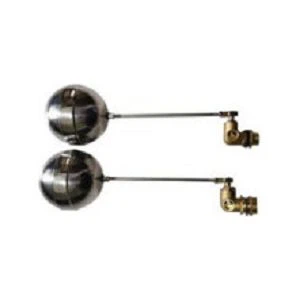
Brass Ball Float Valve
Add to Inquiry
Brass Ball Float Valve

Bar Brass Ball Valves (Accept OEM)
First 12 Last1/2
Advantages of Brass Ball Valve


Durability

Brass is a highly durable material that is resistant to corrosion, making it ideal for use in various industries and applications. Brass ball valves can withstand high temperatures and pressures, making them suitable for both residential and industrial use.


Versatility

Brass ball valves can be used in a wide range of applications, including plumbing, heating systems, water treatment, and industrial processes. They can handle different types of fluids, including water, oil, gas, and chemicals.


Easy to Install

Brass ball valves are relatively easy to install and require minimal maintenance. They can be installed in any orientation, allowing for flexibility in plumbing and pipeline systems.


Excellent Flow Control

Ball valves have a simple yet effective design that provides excellent flow control. The full port design allows for maximum flow capacity, minimizing pressure drop across the valve.


Leak-proof

Brass ball valves have a tight seal when closed, preventing any leakage. The quarter-turn operation ensures fast and reliable shut-off, reducing the risk of leaks.


Cost-effective

Brass ball valves are generally more affordable compared to other types of valves, such as stainless steel or bronze valves. This makes them a cost-effective option for various applications.


Longevity

Brass ball valves have a long service life, thanks to the durability of the brass material. With proper maintenance, they can last for many years without needing replacement.


Leaded and No Leaded Options

There is a big price difference between leaded and no lead Brass from a material perspective, so it is nice to have the option of using leaded on non-potable water applications. This can save you a lot of money.


Brass Ball Valve: Everything You Need to Know!

Brass ball valves offer several advantages over other types of valves. They are more durable than PVC ball valves and can be designed to withstand higher temperatures than most other types of valves. They also have a special close-off force due to their design which helps ensure that the flow stops quickly after the handle is rotated back into its original position. Brass ball valves also do not require any packing material or sealant on their seat surface, which means they will last longer without needing maintenance or repair work.

PPR Spherical Valve


Applications of Brass Ball Valves

Residential Plumbing Systems

In residential plumbing systems, brass ball valves are commonly used at various points, including main water lines, branch lines, and fixture shut-offs. They provide convenient shut-off and control capabilities for individual fixtures or sections of the plumbing system.

Industrial Applications

Brass ball valves find extensive use in industrial applications, such as manufacturing plants, chemical processing facilities, and power generation plants. They control the flow of different fluids, including corrosive chemicals, steam, and high-pressure gases.

HVAC Systems

Heating, ventilation, and air conditioning (HVAC) systems utilize brass ball valves for controlling the flow of hot and chilled water, refrigerants, and other fluids. These valves enable efficient temperature regulation and ensure balanced distribution across various HVAC components.

Irrigation Systems

In agricultural and landscaping applications, brass ball valves play a vital role in irrigation systems. They control water flow to sprinklers, drip emitters, and other irrigation devices, ensuring proper hydration for crops or green spaces.


Choosing Brass Ball Valves


1

The individuality of the Ball Valve can be identified through a hole in the ball positioned within the valve’s body, which allows a straight and constant flow of water.


2

In terms of selecting the valve, it is essential to check its weight. The ball valves are exceptionally light and durable, which makes them unique in the hoard of other valves and play significant roles in various sectors.


3

It is necessary to determine the amount of pressure that has to pass from the valve purchase, which will adjudicate the size of the Ball Valve needed. After all, it is necessary for the valve to handle the pressure of the liquid flow.


4

To choose the right Ball Valve, identifying the pressure level is also imperative because it will help in selecting the specialized valve with the material involved.


5

When it comes to selecting the Ball Valves, characterizing their usage is extremely important because specialized valves are available for the chemical industry radioactive waste management, and much more. One cannot take the risk of using any Ball Valve for ideating the flow of special liquids.


FAQ

Q: Which is better brass ball valve or plastic ball valve?

A: Brass is a copper and zinc alloy. It is one of the softer metals used for metal ball valve bodies, but this fact can be a little misleading. Brass valves are noted for their durability and have higher pressure ratings than all but the most highly engineered plastics. Brass can also handle and absorb more heat than plastics. Brass has good malleability or plasticity and this makes it cheaper and easier to precisely shape, stretch and mold without breaking, cracking or rupturing.

Q: What is a brass ball valve ball made of?

A: Ball Valves are cast with solid lead-free Forged Brass for maximum strength and durability. Chrome Plated - 3 layer surface protection (Copper, 10 Micron Nickle & 0.3 Micron Chromium). Anti-slip Handle/lever is manufactured anti-rusting Premium Stainless Steel.

Q: Where are brass ball valves used?

A: Brass Ball Valves can be used in a wide range of applications. Most of the time, brass is a great option. When it comes to potable water applications, No Lead Brass is a great option unless that water has corrosive properties to it, like high salt content. In that case, another material like Stainless or PVC would work better. Because of the cost of No Lead Brass, other materials like Stainless, which is also No Lead, have become more possible options. Brass Ball Valves are used in Residential and Commercial Plumbing, Water Well, HVAC and many other applications. Basically, as long as there are no high corrosive properties in what is going through the valves, generally speaking, Brass is a great material to utilize.

Q: How does a brass ball valve work?

A: A brass ball valve works by using a lever handle to control the flow of liquids or gases through a pipe. Inside the valve, there is a hollow brass ball with a hole in the center, known as the bore. When the lever handle is turned, it rotates the ball inside the valve body. In the closed position, the bore of the ball is perpendicular to the pipe, blocking the flow of fluid. When the lever handle is turned to the open position, the bore of the ball aligns with the pipe, allowing fluid to pass through. The lever handle can be rotated partially to control the flow rate and adjust the amount of opening. Brass ball valves typically have a quarter-turn operation, meaning they only require a 90-degree rotation to fully open or close. This makes them quick and easy to operate. Additionally, the brass construction of the valve provides durability and resistance to corrosion, making it suitable for various applications.

Q: Can a brass ball valve be used for hot water applications?

A: Yes, a brass ball valve can be used for hot water applications. Brass is known for its excellent heat resistance and thermal conductivity, making it suitable for handling hot water. However, it is important to check the specific temperature and pressure ratings of the brass ball valve to ensure it is compatible with the desired hot water application. Different ball valves may have different temperature and pressure limitations, so it’s essential to choose the appropriate valve based on the specific requirements of the system.

Q: What is the maximum pressure rating for a brass ball valve?

A: The maximum pressure rating for a brass ball valve can vary depending on the specific manufacturer and model. However, in general, brass ball valves typically have a maximum pressure rating of 600-1,000 psi (pounds per square inch). It is important to check the manufacturer’s specifications and guidelines for the specific brass ball valve being used to ensure it can handle the desired pressure in your application. Using a valve with a pressure rating that exceeds the system requirements is recommended to ensure safety and prevent any potential damage or failure.

Q: Are brass ball valves resistant to corrosion?

A: Brass is often the material of choice for residential and commercial plumbing systems. It's also widely appreciated in the petrochemical and marine industries due to its relatively high corrosion resistance, malleability, and durability.

Q: Can a brass ball valve be used in a gas line?

A: Yes, brass ball valves can be used in gas lines. Brass is a common material for valves used in gas applications because it offers good corrosion resistance, durability, and reliability. However, it is important to ensure that the brass ball valve you choose is specifically designed and rated for use with gas. Gas-specific brass ball valves will typically have specific certifications, such as ANSI Z21.15/CSA 9.1 for natural gas or ANSI Z21.18/CSA 6.3 for propane gas. These certifications ensure that the valve meets the necessary safety standards for gas applications.

Q: Are brass ball valves equipped with an anti-siphon feature?

A: No, brass ball valves are not typically equipped with an anti-siphon feature. Anti-siphon devices are typically used in plumbing systems to prevent the backflow of water into the potable water supply. They are commonly found on outdoor hose bibs, irrigation systems, and other fixtures that are at risk of cross-contamination. Brass ball valves, on the other hand, are primarily used for controlling the flow of liquids or gases and do not have built-in anti-siphon features.

Q: Can a brass ball valve be used to regulate water flow?

A: Brass ball valves are primarily designed for on/off control of water flow rather than flow regulation. While they can be partially opened or closed to adjust the flow to some extent, they are not typically used as precise flow control devices. If you require precise and adjustable flow regulation, it is recommended to use a valve specifically designed for that purpose, such as a globe valve or a control valve. These valves have different internal designs that allow for more precise control of flow rates. However, if you only need basic control of water flow, such as shutting off or opening the flow completely, a brass ball valve can still be suitable for your needs. Just keep in mind that it may not provide the same level of flow regulation as specialized valves.

Q: Are brass ball valves suitable for use in high-temperature environments?

A: Brass ball valves are generally suitable for use in moderate to high-temperature environments. Brass is an alloy composed primarily of copper and zinc, which provides good heat resistance. However, the suitability of a brass ball valve for high-temperature applications depends on several factors, including the specific type of brass used and the maximum temperature of the environment. Standard brass ball valves typically have temperature ratings up to around 200-250°F (93-121°C). If you require a valve for higher temperatures, you may need to consider alternative materials such as stainless steel or bronze, which have higher temperature tolerances.

Q: Can a brass ball valve be used in irrigation systems?

A: Brass ball valves can be used in irrigation systems. Brass is a commonly used material for valves due to its durability, corrosion resistance, and ability to withstand various environmental conditions. Ball valves, in particular, are often preferred for irrigation systems because they provide reliable on/off control. Brass ball valves are typically available in different sizes to accommodate the varying pipe diameters used in irrigation systems. They are also known for their ease of installation and maintenance. However, it’s important to select the appropriate size and type of brass ball valve for your specific irrigation system requirements. In addition, consider the water quality and potential for debris or sediment in the irrigation system. It may be advisable to install a strainer or filter upstream of the brass ball valve to prevent clogging.

Q: How long is the lifespan of a brass ball valve?

A: The lifespan of a brass ball valve can vary depending on several factors, including the quality of the valve, the environment in which it is used, and how well it is maintained. In general, brass ball valves are known for their durability and can last for many years with proper care. Brass is a corrosion-resistant material, but it can still be affected by certain factors. For example, exposure to harsh chemicals or aggressive water conditions may shorten the lifespan of a brass ball valve. In areas with high levels of minerals or sediment in the water, regular maintenance, such as flushing or cleaning, may be required to prevent clogging or damage. Proper installation and operation of the valve also play a role in its lifespan. If a brass ball valve is subjected to excessive force or operated outside of its recommended pressure and temperature range, it may experience premature wear or failure. While there is no specific lifespan that applies to all brass ball valves, a well-maintained and properly installed valve can typically last for 10-20 years or more. It’s important to periodically inspect the valve for any signs of wear or leaks and consider replacement if necessary.

Q: Are brass ball valves suitable for use in industrial settings?

A: Yes, brass ball valves can be suitable for use in industrial settings, depending on the specific application and conditions. Brass is a commonly used material for valves in various industries due to its durability, corrosion resistance, and ease of maintenance.

Q: Are brass ball valves leak-proof?

A: Brass ball valves are designed to provide a high degree of sealing and minimize the potential for leakage. When the valve is fully closed, the ball inside the valve forms a tight seal against the seat, preventing any fluid from flowing through. This design makes brass ball valves highly effective at preventing leaks and providing positive shut-off. However, it’s important to note that no valve is entirely leak-proof. There may be instances where a brass ball valve can develop minor leaks due to factors such as improper installation, wear and tear over time, or damage to the sealing components. Additionally, certain conditions such as high pressure, temperature extremes, or aggressive chemicals may increase the risk of leaks. To ensure the best possible sealing performance and minimize the potential for leaks, regular inspection and maintenance can help identify any signs of leakage or wear early on to prevent more significant issues.

Q: Are brass ball valves suitable for use with chemicals?

A: Brass ball valves can be suitable for use with certain chemicals in industrial applications. Brass is known for its resistance to corrosion from many non-aggressive chemicals and fluids, making it a commonly used material for valves in various industries. However, it’s important to consider the specific chemical being used and its compatibility with brass. Certain chemicals can react with brass and cause corrosion or degradation of the valve over time. Aggressive chemicals, such as strong acids or alkalis, can attack brass and compromise its integrity.

Q: .Can a brass ball valve be used for both manual and automated operations?

A: Yes, brass ball valves can be used for both manual and automated operations. Brass ball valves are versatile and can be easily operated by hand using a lever or handle. These manual valves allow for quick and easy control of fluid flow. In addition to manual operation, brass ball valves can also be equipped with actuators to enable automated operation. Actuators, such as electric or pneumatic actuators, can be attached to the valve to remotely open or close it, allowing for automated control of the fluid flow. The actuator is typically connected to the valve stem, which rotates the ball inside the valve. By applying an external signal or power source to the actuator, the valve can be controlled remotely and integrated into automated systems.

Q: Can a brass ball valve be used in underground piping systems?

A: Brass ball valves can be used in underground piping systems, but certain considerations should be taken into account. One important consideration is the type of soil and environment in which the underground piping system will be installed. Brass is generally resistant to corrosion, but certain types of soil may contain high levels of corrosive elements or chemicals that could potentially degrade the brass over time. It is important to assess the soil conditions and consult with experts to determine if brass is suitable for long-term underground use in a specific location. If the soil conditions are deemed appropriate, it is also important to ensure that the brass ball valve is properly protected from the surrounding environment. This typically involves using protective coatings or enclosures to shield the valve from moisture, dirt, and other elements commonly found underground. Additionally, it is crucial to consider the accessibility and maintenance requirements of the valve once it is installed underground. If service or repair of the valve is anticipated, provisions should be made to ensure easy access to the valve without extensive excavation or disruption of the surrounding area. Overall, while brass ball valves can be used in underground piping systems, it is important to consider factors such as soil conditions, environmental protection, and accessibility for maintenance to ensure the long-term performance and reliability of the valve in this application.

Q: Can ball valves be buried?

A: Buried Ball Valves, the integral type welded ball valve, there will be no leakage at all. Reliable Buried Ball Valves enable the media in underground pipe systems to be reliably shut off.

Q: Do ball valves prevent backflow?

A: The purpose of using a ball check valve is to prevent backflow in a pipeline system and ball check valves are often placed on the outlet side of a pump to protect the pump. Ball check valves are commonly used in wastewater applications as well as in fire protection and irrigation systems.


Zhejiang Wins Machinery Co., Ltd is one of the most professional brass ball valve manufacturers and suppliers in China, specialized in providing customized service with competitive price. We warmly welcome you to buy the best brass ball valve for sale here and get quotation from our factory. Also, OEM service is available.

boiler air valve, underground water line fittings, gas splitter valve

(0/10)

clearall