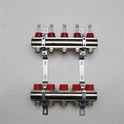
Hey there! As a supplier of flowmeter manifolds, I've seen firsthand how important it is to keep these devices in top - notch condition. A clean flowmeter manifold not only ensures accurate measurements but also extends the lifespan of the equipment. So, let's dive right into how to clean a flowmeter manifold.


Why Cleaning Matters
Before we get into the nitty - gritty of the cleaning process, let's talk about why it's so crucial. Over time, flowmeter manifolds can accumulate dirt, debris, and even corrosive substances. These contaminants can clog the passages, interfere with the flow of the fluid being measured, and cause inaccurate readings. They can also damage the internal components of the manifold, leading to expensive repairs or replacements.
Gathering the Right Tools
First things first, you'll need to gather the necessary tools for the job. Here's a list of what you'll typically require:
- Safety Gear: Gloves and safety glasses are a must. Chemical cleaners and debris can be harmful to your skin and eyes, so protect yourself.
- Cleaning Agents: Depending on the type of contaminants, you might need a mild detergent, a specialized solvent, or a descaling agent. Make sure the cleaner you choose is compatible with the material of your flowmeter manifold.
- Brushes: Soft - bristled brushes are great for cleaning hard - to - reach areas. You can also use a toothbrush for small nooks and crannies.
- Rags or Cloths: Use clean, lint - free rags or cloths to wipe down the manifold and dry it after cleaning.
- Pressure Washer (Optional): For stubborn dirt and debris, a pressure washer can be a handy tool. Just make sure to use it on a low setting to avoid damaging the manifold.
Pre - Cleaning Steps
Once you have your tools ready, it's time to take a few pre - cleaning steps:
- Turn Off the System: Before you start cleaning, make sure the flow of the fluid through the manifold is stopped. This might involve shutting off valves or disconnecting pipes.
- Drain the Manifold: Completely drain the manifold of any remaining fluid. This will prevent spills and make the cleaning process more effective.
- Remove External Components: Take off any external components like gauges, sensors, or valves that might get in the way of the cleaning process. Keep them in a safe place.
The Cleaning Process
Surface Cleaning
Start by giving the exterior of the manifold a good wipe down with a damp cloth. This will remove any loose dirt, dust, or grime. If there are any stubborn stains, you can use a mild detergent and a soft - bristled brush to gently scrub the surface. Rinse the area thoroughly with clean water and dry it with a lint - free cloth.
Internal Cleaning
The internal parts of the flowmeter manifold are where most of the contaminants accumulate. Here's how you can clean them:
- Use a Cleaning Agent: Pour the appropriate cleaning agent into the manifold. You can use a funnel to make sure it gets into all the passages. Let the cleaning agent sit for a few minutes to break down the dirt and debris.
- Scrub with a Brush: Use a soft - bristled brush to scrub the internal walls of the manifold. Pay special attention to the corners and crevices where dirt tends to collect. You can even use a flexible brush to reach into the small tubes and channels.
- Rinse Thoroughly: After scrubbing, rinse the manifold with clean water. Keep flushing the water through the manifold until the water runs clear. This ensures that all the cleaning agent and debris are removed.
- Optional: Pressure Washing: If there are still some stubborn particles stuck inside, you can use a pressure washer on a low setting. But be careful not to damage the internal components.
Cleaning Specific Components
Some flowmeter manifolds come with specific components that need special attention.
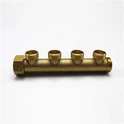
- Four Way Brass Manifold: These manifolds are made of brass, which is prone to corrosion. Use a brass cleaner to remove any tarnish or rust. After cleaning, apply a protective coating to prevent future corrosion.
- Switch Valve Manifold: The valve mechanism in a switch valve manifold can get clogged with dirt. Clean the valves carefully using a small brush and a compatible cleaning agent. Make sure the valves open and close smoothly after cleaning.
- Manifold Tail Piece: The tail piece is often exposed to the elements and can accumulate a lot of dirt. Soak the tail piece in a cleaning solution and scrub it thoroughly to remove all the contaminants.
Drying and Reassembly
After cleaning, it's essential to dry the manifold completely. You can use compressed air to blow out any remaining water from the internal passages. Once the manifold is dry, you can start reassembling the external components. Make sure all the components are properly tightened and connected.
Maintenance Tips
To keep your flowmeter manifold clean and in good working condition, here are some maintenance tips:
- Regular Inspections: Conduct regular visual inspections of the manifold to check for any signs of dirt, corrosion, or damage.
- Scheduled Cleaning: Set up a regular cleaning schedule based on the usage and environment of the manifold. For example, if the manifold is used in a dirty or corrosive environment, you might need to clean it more frequently.
- Proper Storage: When the manifold is not in use, store it in a clean, dry place. This will prevent the accumulation of dirt and moisture.
Contact for Purchase and More Details
If you're in the market for a high - quality flowmeter manifold or need more information on cleaning and maintenance, don't hesitate to reach out. We're here to assist you with all your manifold needs. Whether you're looking for a Four Way Brass Manifold, a Switch Valve Manifold, or a Manifold Tail Piece, we've got you covered. We can offer tailor - made solutions to fit your specific requirements.
References
- "Flowmeter Handbook: Principles and Applications" by Ralph W. Miller.
- Manufacturer's guidelines for flowmeter manifold cleaning and maintenance.