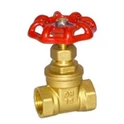
Hey there! I'm a supplier of Brass Globe Valves, and today I wanna chat about something that might not cross your mind right off the bat when you think about these valves: the noise level during operation.
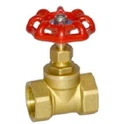
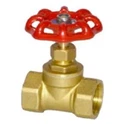
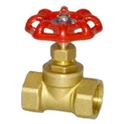
For those who aren't super familiar, a brass globe valve is a type of valve that controls the flow of a liquid or gas. It's got a spherical body and a movable disk-type element that's used to regulate the opening and closing of the valve. These valves are pretty popular in a bunch of industries, like plumbing, HVAC, and industrial manufacturing, 'cause they're durable and can handle a wide range of pressures and temperatures.
So, what's the deal with the noise? Well, when a brass globe valve is in operation, the flow of the fluid through the valve can create some noise. This noise can vary depending on a bunch of different factors. Let's break it down a bit.


Flow Rate
One of the biggest factors influencing the noise level is the flow rate of the fluid. When the flow rate is high, the fluid moves through the valve at a faster pace, which can cause more turbulence. Turbulence is basically the chaotic movement of the fluid, and it's a major contributor to noise. Think of it like a river - when the water's flowing quickly through a narrow channel, it makes a lot more noise than when it's moving slowly in a wide, calm area.
If you've got a valve that's handling a high - volume flow, you might notice a louder, more intense noise. On the other hand, a lower flow rate usually means less turbulence and, as a result, a quieter operation. So, if noise is a concern in your application, you might want to look at ways to control the flow rate, like using a flow control valve upstream of the brass globe valve.
Pressure Drop
Another important factor is the pressure drop across the valve. Pressure drop is the difference in pressure between the inlet and the outlet of the valve. When the pressure drop is large, the fluid has to work harder to get through the valve. This can lead to increased noise as the fluid forces its way through the restricted opening.
For example, if you've got a system where the pressure on one side of the valve is much higher than on the other, the fluid will rush through the valve, creating a whistling or hissing sound. To reduce the noise caused by pressure drop, you can choose a valve with a larger port size or a design that minimizes the pressure drop.
Valve Design
The design of the brass globe valve itself also plays a huge role in the noise level. Some valves are designed with features that help reduce noise. For instance, a valve with a smooth internal surface can reduce turbulence and, therefore, noise. Valves with special flow - guiding elements can also help direct the fluid in a more orderly manner, which cuts down on the noise.
Our Round Handwheel Brass Globe Valve 1/2" is a great example. It's designed with precision to ensure a smooth flow of fluid, which helps keep the noise level down. The round handwheel also makes it easy to operate, so you can make adjustments without creating unnecessary noise.
Another option is our United Brass Globe Valve. This valve has a unique design that's optimized for quiet operation. It's built to handle a variety of flow rates and pressures while keeping the noise to a minimum.
And then there's the 200 WOG Globe Valve. The 200 WOG rating means it can handle a certain level of working pressure, and it's engineered to do so quietly. Its robust construction ensures that it can maintain its performance over time without getting loud or causing disruptions.
Fluid Properties
The properties of the fluid passing through the valve can also affect the noise level. For example, if the fluid is viscous, it might flow more slowly and create less noise compared to a low - viscosity fluid. Gases and liquids behave differently too. Gases are compressible, and when they flow through a valve, they can expand rapidly, which can cause noise.
Liquids, on the other hand, are generally less compressible and might create less noise under the same conditions. However, if the liquid contains solids or other particles, it can cause additional noise as these particles collide with the valve walls.
System Resonance
Sometimes, the noise from a brass globe valve can be amplified by system resonance. Resonance occurs when the frequency of the noise generated by the valve matches the natural frequency of the piping system or other components in the system. This can cause the entire system to vibrate and produce a much louder noise.
To avoid system resonance, it's important to properly design and install the piping system. This might involve using flexible connectors, isolating the valve from other components, or changing the length or diameter of the pipes to shift the natural frequency of the system.
Now that we've covered the main factors that can affect the noise level of a brass globe valve during operation, you might be wondering how to measure this noise. Well, there are a few ways.
One common method is to use a sound level meter. This device measures the intensity of the sound in decibels (dB). You can place the sound level meter near the valve while it's in operation to get a reading of the noise level. However, keep in mind that the reading can be affected by the distance from the valve, the background noise in the area, and the direction of the sound.
Another way is to use vibration sensors. Since noise is often associated with vibrations, these sensors can detect the vibrations generated by the valve and provide an indication of the noise level. Vibration sensors can be more accurate in some cases, especially when trying to isolate the source of the noise within a complex system.
If you're in an environment where noise is a major concern, like a residential building or a laboratory, you might want to choose a brass globe valve that's specifically designed for low - noise operation. Our range of valves is engineered to meet these requirements. Whether you need a valve for a small - scale plumbing project or a large - scale industrial application, we've got you covered.
If you're interested in learning more about our brass globe valves or if you've got a specific application in mind and want to know which valve would be the best fit for you, don't hesitate to reach out. We're here to help you find the right solution for your needs. Whether it's about noise reduction, flow control, or pressure management, we can provide you with expert advice and high - quality products. Let's get in touch and start discussing your project today!
References
- "Fluid Mechanics and Hydraulic Machines" by Dr. R.K. Bansal
- "Valve Handbook" by Allan R. Budris