Hey there! As a supplier of brass gate valves, I often get asked if these valves can be used in a geothermal system. It's a valid question, and I'm here to share my insights on this topic.
First off, let's briefly understand what a geothermal system is. Geothermal systems are heating and cooling systems that use the constant temperature of the earth to regulate indoor climate. They're energy - efficient and environmentally friendly, which makes them quite popular these days. These systems involve the flow of a heat - transfer fluid, usually a mixture of water and antifreeze, through a series of pipes buried underground or placed in a body of water.


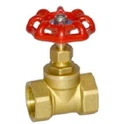
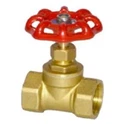
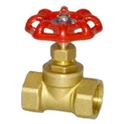
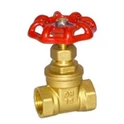
Now, let's talk about brass gate valves. A Brass Gate Valve 1/2" is a type of valve that uses a gate to control the flow of fluid. When the gate is fully raised, there's little to no obstruction to the flow, and when it's fully lowered, it completely blocks the flow.
Advantages of Using Brass Gate Valves in Geothermal Systems
Corrosion Resistance
Brass is an alloy of copper and zinc, and it has excellent corrosion resistance. In a geothermal system, the heat - transfer fluid can contain various chemicals and minerals that might cause other materials to corrode. Brass can withstand the mildly corrosive nature of the fluid over time, ensuring the longevity of the valve and the overall system. For example, in a geothermal system installed in an area where the groundwater has a slightly acidic pH, a brass gate valve can resist the corrosive effects much better than a steel valve.
Good Flow Control
As mentioned earlier, a gate valve provides a full - bore opening when fully open. This means that there is minimal pressure drop across the valve, which is crucial in a geothermal system. The system relies on the efficient flow of the heat - transfer fluid to transfer heat effectively. A brass gate valve allows for a smooth and unobstructed flow, ensuring that the system operates at its optimal efficiency.
Durability
Brass is a relatively hard and durable material. It can withstand the pressures and vibrations associated with the operation of a geothermal system. In a geothermal loop system, the pipes are often buried underground, and the valves need to be able to handle the mechanical stress from the soil movement and the pressure changes within the system. A well - constructed brass gate valve can endure these conditions and provide reliable service for many years.
Challenges and Considerations
Temperature Limitations
While brass can handle a wide range of temperatures, geothermal systems can sometimes operate at relatively high temperatures, especially in systems that are used for heating. High - temperature operation can cause brass to expand, which might lead to valve leaks or other issues. It's important to ensure that the brass gate valve you choose is rated for the maximum temperature that your geothermal system will reach.
Compatibility with Other Materials
In a geothermal system, there are often other components made of different materials, such as PP - R Gate Valve. When using a brass gate valve, you need to consider the compatibility of brass with these other materials. For example, if there is a significant difference in the coefficients of thermal expansion between brass and the material of the adjacent pipes, it can lead to joint failures over time.
Water Quality
The quality of the heat - transfer fluid can also impact the performance of a brass gate valve. If the fluid contains high levels of certain elements like chlorine or sulfur, it can accelerate the corrosion of brass. Regular water quality testing and appropriate water treatment can help mitigate these issues.
Customization for Geothermal Systems
One of the great things about being a brass gate valve supplier is that we can offer Customized Brass Gate Valve solutions. For geothermal systems, we can customize the valves in several ways. We can adjust the size of the valve to fit the specific piping requirements of the system. We can also add special coatings or treatments to the brass to enhance its resistance to corrosion or improve its performance at high temperatures.
Making the Decision
So, can a brass gate valve be used in a geothermal system? The answer is yes, in most cases. However, it's important to carefully consider the factors mentioned above. If you're planning to install a geothermal system or are looking to upgrade an existing one, I recommend consulting with a professional who has experience with geothermal systems. They can assess your specific needs and help you determine if a brass gate valve is the right choice for you.
If you're interested in purchasing brass gate valves for your geothermal system, feel free to reach out. We have a wide range of options available, and our team can provide you with all the necessary information to make an informed decision. Whether you need a standard valve or a customized solution, we've got you covered.
References
- Handbook of Geothermal Power Plants Technology
- Valves in Heating and Cooling Systems: A Practical Guide
So, don't hesitate to start a conversation with us about your brass gate valve needs for your geothermal system. We're here to help!