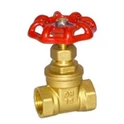
In the complex and demanding environment of a power generation plant, the selection of appropriate equipment is crucial for ensuring efficient, reliable, and safe operations. One such piece of equipment that often comes under consideration is the filter ball valve. As a supplier of filter ball valves, I am frequently asked whether these valves can be used in power generation plants. In this blog post, I will explore this question in detail, examining the capabilities, advantages, and potential limitations of filter ball valves in power generation applications.
Understanding Filter Ball Valves
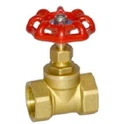
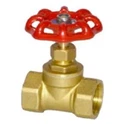
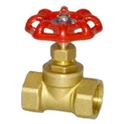
Before delving into their suitability for power generation plants, it's essential to understand what filter ball valves are. A filter ball valve combines the functionality of a ball valve with a filtering mechanism. The ball valve component consists of a spherical disc with a hole in the middle. When the valve is open, the hole aligns with the flow path, allowing fluid to pass through. When closed, the ball rotates to block the flow. The filtering element is typically integrated into the valve body, designed to remove impurities and particles from the fluid as it passes through the valve.
Filter ball valves are available in various materials, including brass, stainless steel, and PVC, each offering different levels of durability, corrosion resistance, and chemical compatibility. They come in different sizes and pressure ratings to accommodate a wide range of flow rates and operating conditions.
Requirements in Power Generation Plants
Power generation plants, whether they are fossil - fuel, nuclear, hydroelectric, or renewable energy - based, have specific requirements for their valves and filtration systems. These requirements are driven by factors such as the type of fluid being handled (e.g., water, steam, oil, or gas), the operating temperature and pressure, the need for high - reliability and long - term performance, and compliance with safety and environmental regulations.
- Fluid Handling: In a power generation plant, valves may be required to handle a variety of fluids. For example, in a steam - powered plant, valves need to withstand high - temperature and high - pressure steam. In a hydroelectric plant, they must handle large volumes of water, which may contain sediment and debris. Filter ball valves can be designed to handle different types of fluids, with appropriate materials selected to ensure compatibility.
- Reliability and Safety: Power generation is a critical process, and any valve failure can lead to costly downtime, safety hazards, and environmental damage. Valves in power plants need to be highly reliable, with minimal risk of leakage or malfunction. Filter ball valves are known for their simple and robust design, which contributes to their reliability. The ball valve's quarter - turn operation allows for quick opening and closing, which can be crucial in emergency situations.
- Filtration: Many power generation processes require clean fluids to prevent damage to equipment such as turbines, pumps, and heat exchangers. The filtration function of filter ball valves can help remove particles and contaminants from the fluid, protecting downstream equipment and improving the overall efficiency of the power generation process.
Advantages of Using Filter Ball Valves in Power Generation Plants
There are several advantages to using filter ball valves in power generation plants:
- Combined Functionality: The integration of a filter and a ball valve in a single unit simplifies the piping system design. Instead of installing separate filter and valve components, a filter ball valve can perform both functions, reducing the number of connections and potential leak points. This not only saves space but also reduces installation and maintenance costs.
- Ease of Maintenance: Filter ball valves are relatively easy to maintain. The filter element can be easily accessed and replaced when it becomes clogged, without the need to disassemble the entire valve. This reduces downtime and maintenance costs, which is especially important in power generation plants where continuous operation is essential.
- Versatility: As mentioned earlier, filter ball valves are available in a variety of materials, sizes, and pressure ratings. This versatility allows them to be used in different parts of a power generation plant, from the intake of cooling water to the control of steam flow in a turbine. For example, Ball Valve for Temperature Measurement can be used in applications where temperature monitoring is required, while Ball Union Valves offer easy installation and disconnection for maintenance purposes.
Potential Limitations
While filter ball valves offer many advantages, there are also some potential limitations to consider:


- Flow Restriction: The presence of the filter element in the valve can cause some flow restriction, especially if the filter becomes clogged. This can reduce the overall flow rate and efficiency of the system. However, proper sizing and regular maintenance of the filter can minimize this issue.
- High - Pressure Applications: In extremely high - pressure applications, the design of the filter ball valve may need to be carefully evaluated. The filter element and the valve body must be able to withstand the high pressures without deformation or failure. Specialized high - pressure filter ball valves are available, but they may be more expensive.
- Chemical Compatibility: In power generation plants that handle corrosive or aggressive chemicals, the choice of material for the filter ball valve is crucial. Some materials may not be compatible with certain chemicals, leading to corrosion and premature failure of the valve.
Case Studies and Real - World Applications
There are numerous real - world examples of filter ball valves being used successfully in power generation plants. For instance, in a large hydroelectric power plant, filter ball valves are installed at the water intake to remove sediment and debris from the water before it enters the turbines. The combined filtering and valve function ensures that the turbines receive clean water, reducing the risk of damage and improving their efficiency.
In a fossil - fuel power plant, filter ball valves can be used in the lubrication oil system. The filter element removes contaminants from the oil, while the ball valve allows for precise control of the oil flow to the various components of the engine. This helps to extend the life of the engine and improve its performance.
Conclusion
In conclusion, filter ball valves can indeed be used in power generation plants. Their combined functionality, ease of maintenance, and versatility make them a suitable choice for many applications in these plants. However, it is essential to carefully consider the specific requirements of the power generation process, such as fluid type, operating temperature and pressure, and chemical compatibility, when selecting a filter ball valve.
As a supplier of filter ball valves, I have the expertise and experience to help power generation plant operators select the right valves for their needs. Whether you need a Butterfly Handle Ball Valve 1" for a specific application or a customized filter ball valve solution, I can provide high - quality products and reliable support.
If you are interested in learning more about how filter ball valves can benefit your power generation plant or would like to discuss your specific requirements, please feel free to reach out. I am always ready to engage in a detailed discussion and assist you in making the best choice for your operations.
References
- Valve Handbook, Crane Co.
- Power Plant Engineering, P. K. Nag
- Industrial Valves: Selection, Specification, and Installation, J. R. Netto