Gas valves are crucial components in various gas - related systems, ensuring the safe and efficient control of gas flow. As a gas valve supplier, I have in - depth knowledge of the materials used in manufacturing these essential devices. In this blog, I'll explore the different materials commonly used for gas valves and their properties.
Brass
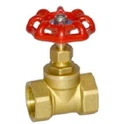
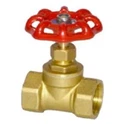
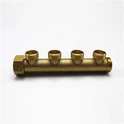
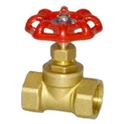
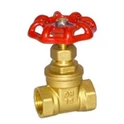
Brass is one of the most popular materials for gas valves. It is an alloy composed primarily of copper and zinc. The proportion of these elements can vary, which affects the properties of the brass.
Advantages
- Corrosion Resistance: Brass has good resistance to corrosion, especially in environments where it comes into contact with natural gas or propane. This is essential as gas valves need to maintain their integrity over long periods. For example, in residential gas systems, brass valves can last for decades without significant degradation due to corrosion.
- Machinability: It is relatively easy to machine brass into complex shapes. This allows manufacturers to create gas valves with precise dimensions and features. For instance, the internal passages of a Handle Gas Valve can be accurately machined to ensure smooth gas flow and proper sealing.
- Good Thermal Conductivity: Brass can conduct heat well. In gas - burning appliances, this property helps in dissipating heat generated during the operation, preventing overheating of the valve.
Disadvantages
- Cost: Compared to some other metals, brass can be relatively expensive. However, the long - term durability and performance often justify the cost.
- Softness: While it is strong enough for most gas valve applications, brass is softer than some other metals. In high - pressure or high - stress situations, it may be more prone to deformation.
Stainless Steel
Stainless steel is another material frequently used in gas valve manufacturing. It is an alloy that contains iron, chromium, and often other elements such as nickel and molybdenum.
Advantages
- High Corrosion Resistance: Stainless steel offers excellent corrosion resistance, even in harsh environments. It can withstand exposure to moisture, chemicals, and aggressive gases. This makes it suitable for gas valves used in industrial settings or outdoor applications where the valve may be exposed to the elements. For example, Trident Gas Valve made of stainless steel can be used in coastal areas where there is a high salt content in the air.
- Strength and Durability: Stainless steel is strong and can withstand high pressures. It has a high tensile strength, which means it can resist deformation under stress. This makes it a reliable choice for gas valves in high - pressure gas systems.
- Hygienic: Stainless steel is non - porous and easy to clean. In applications where gas is used in food or beverage processing, stainless steel gas valves are preferred to ensure the purity of the gas and the product.
Disadvantages
- Higher Cost: Stainless steel is generally more expensive than brass. The cost of raw materials and the manufacturing processes involved contribute to the higher price.
- Magnetic Properties: Some types of stainless steel are magnetic, which may be a concern in certain applications where magnetic interference needs to be avoided.
Cast Iron
Cast iron has been used in gas valve manufacturing for a long time, especially in large - scale and industrial applications.
Advantages


- High Strength: Cast iron is very strong and can handle extremely high pressures. It is commonly used in gas distribution systems where large - diameter valves are required to control the flow of gas over long distances.
- Low Cost: It is relatively inexpensive compared to brass and stainless steel. This makes it an attractive option for large - scale projects where cost is a major consideration.
Disadvantages
- Poor Corrosion Resistance: Cast iron is prone to rusting if not properly coated or protected. In humid or corrosive environments, it may require regular maintenance to prevent corrosion.
- Brittleness: Cast iron is brittle and can crack under sudden impact or stress. This limits its use in applications where there may be vibration or shock.
Plastic
Plastic materials are also used in some gas valve applications, especially for low - pressure and non - critical systems.
Advantages
- Lightweight: Plastic valves are much lighter than metal valves. This makes them easier to install and handle, especially in applications where weight is a concern, such as in portable gas appliances.
- Low Cost: Plastic is generally inexpensive, which makes it a cost - effective option for mass - produced gas valves.
- Corrosion Resistance: Many plastics are resistant to corrosion, even in the presence of certain chemicals and gases.
Disadvantages
- Low Temperature Resistance: Plastic may become brittle at low temperatures, which can affect its performance and durability.
- Limited Pressure Rating: Plastic valves are not suitable for high - pressure applications as they may not be able to withstand the stress.
Choosing the Right Material
When choosing the material for a gas valve, several factors need to be considered:
- Operating Pressure: High - pressure systems require materials with high strength, such as stainless steel or cast iron. For low - pressure systems, brass or plastic may be sufficient.
- Corrosion Environment: In corrosive environments, stainless steel or well - coated cast iron is a better choice. In clean and dry environments, brass may be a cost - effective option.
- Temperature Range: If the valve will be exposed to extreme temperatures, materials with good thermal properties, like brass or stainless steel, should be selected.
- Cost: Budget is always an important consideration. For large - scale projects, cost - effective materials like cast iron or plastic may be preferred, while for high - performance and critical applications, the higher cost of brass or stainless steel may be justified.
As a gas valve supplier, we offer a wide range of gas valves made from different materials to meet the diverse needs of our customers. Whether you need a Handle Gas Valve, a Trident Gas Valve, or a Double - Fork Gas Valve, we can provide you with the right product.
If you are in the market for gas valves and want to discuss your specific requirements, please feel free to contact us for procurement and negotiation. We are committed to providing high - quality gas valves and excellent customer service.
References
- ASME B16.34 - Valves - Flanged, Threaded, and Welding End.
- ASTM Standards for Metals and Plastics used in Valve Manufacturing.
- Technical Literature from Valve Manufacturers.