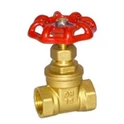
Is a brass ball valve suitable for drinking water systems?
When it comes to selecting the right components for a drinking water system, one crucial decision is choosing the appropriate valve. Among the various options available, brass ball valves have gained significant popularity. As a supplier of high - quality brass ball valves, I'd like to delve into whether brass ball valves are suitable for drinking water systems.

Advantages of Brass Ball Valves in Drinking Water Systems
1. Corrosion Resistance
Brass is an alloy primarily composed of copper and zinc. This combination gives brass excellent corrosion - resistant properties. In a drinking water system, where the water may contain various minerals and chemicals, corrosion can be a major concern. Corroded valves can not only reduce the lifespan of the valve itself but also contaminate the drinking water with rust and other harmful substances. Brass ball valves form a protective oxide layer on their surface when exposed to water, which helps prevent further corrosion. This ensures that the valve can function properly over an extended period without leaching harmful metals into the water.
2. Durability
Brass is a relatively hard and strong material. Brass ball valves can withstand high pressures and temperatures commonly found in drinking water systems. Whether it's a residential plumbing system with relatively low pressure or a commercial building with higher water flow requirements, brass ball valves can handle the stress. They are less likely to break or malfunction compared to some other types of valves, which means less maintenance and replacement costs in the long run.
3. Hygiene
Brass has natural antibacterial properties. Copper, one of the main components of brass, has been shown to have the ability to kill bacteria on its surface. This is particularly important in a drinking water system, as it helps maintain the microbiological quality of the water. By using brass ball valves, the risk of microbial growth in the valve and subsequent contamination of the drinking water is reduced.
4. Ease of Use and Installation
Brass ball valves are designed for easy operation. The ball inside the valve can be rotated with a simple turn of the handle, allowing for quick and precise control of the water flow. They are also relatively easy to install. Most brass ball valves come with standard threading, which makes them compatible with a wide range of pipes and fittings in drinking water systems. Whether you are a professional plumber or a DIY enthusiast, you can install a brass ball valve without too much difficulty.
Considerations and Potential Concerns
1. Lead Content
One of the main concerns regarding brass ball valves in drinking water systems is the potential lead content. Historically, some brass alloys contained significant amounts of lead. Lead is a highly toxic metal that can have serious health effects, especially on children and pregnant women. When lead leaches into the drinking water from the valve, it can cause neurological damage, learning disabilities, and other health problems.
However, in recent years, there have been strict regulations in many countries to limit the lead content in brass products used in drinking water systems. For example, in the United States, the Safe Drinking Water Act requires that brass valves used in potable water applications have a weighted average lead content of no more than 0.25%. As a responsible supplier, we ensure that all our brass ball valves comply with these strict regulations. Our valves are made from low - lead or lead - free brass alloys, which significantly reduces the risk of lead contamination.
2. Compatibility with Water Chemistry
The performance of brass ball valves can be affected by the chemistry of the water. For example, water with high acidity or alkalinity can accelerate the corrosion process. In areas where the water has a high concentration of certain chemicals, such as chlorine or sulfates, the brass valve may experience more rapid degradation. It's important to assess the water chemistry and choose a brass ball valve that is suitable for the specific conditions. We offer a range of brass ball valves with different surface treatments and alloy compositions to better adapt to various water chemistries.
Our Product Range
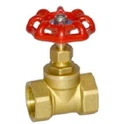
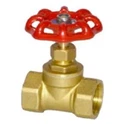
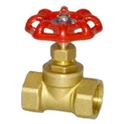
We offer a diverse range of brass ball valves suitable for drinking water systems. For instance, the Iron Handle Ball Valve 1/2" is a popular choice for residential applications. It features a sturdy iron handle for easy operation and a 1/2 - inch size that is commonly used in household plumbing.
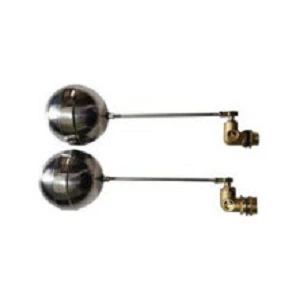
The Brass Ball Float Valve is another great option. This valve is designed to control the water level in a tank or reservoir. It is made of high - quality brass, ensuring long - term durability and reliable performance in drinking water storage systems.
If you need a valve for a corner or a place where a right - angle connection is required, our Right Angle Ball Valve 1/2" is an ideal solution. It allows for smooth water flow even in tight spaces and is easy to install.
Conclusion
In general, brass ball valves are a suitable choice for drinking water systems. Their corrosion resistance, durability, hygiene, and ease of use make them a popular option among consumers and professionals alike. While there are some concerns such as lead content and water chemistry compatibility, these can be effectively addressed through proper material selection and product design.
As a trusted supplier of brass ball valves, we are committed to providing high - quality products that meet the strictest safety and performance standards. If you are in the process of building or upgrading a drinking water system, we invite you to contact us for more information about our products. We are happy to help you select the most suitable brass ball valve for your specific needs and engage in procurement negotiations.
References
- "The Chemistry of Brass and Its Applications in Plumbing", Journal of Plumbing Science, Vol. 15, Issue 2.
- "Safe Drinking Water Act Regulations in the United States", Environmental Protection Agency.
- "Antibacterial Properties of Copper Alloys", International Copper Association.