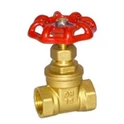
Hey there! As a supplier of TRV valves, I often get asked about the storage conditions for these nifty little devices. So, I thought I'd share some insights on what you need to know to keep your TRV valves in tip - top shape.
First off, let's talk about temperature. TRV valves are made up of various components, including metals and plastics. Extreme temperatures can have a negative impact on these materials. For starters, high temperatures can cause the plastic parts to warp or melt. If the valve is stored in an environment where the temperature regularly exceeds 60°C (140°F), the internal mechanisms might start to malfunction. On the other hand, extremely cold temperatures can make the metal components brittle. If it gets too cold, say below -20°C (-4°F), the valve might crack when it's eventually put into use. So, the ideal temperature range for storing TRV valves is between 5°C (41°F) and 35°C (95°F). This range ensures that all the components remain stable and don't experience any undue stress.
Humidity is another crucial factor. High humidity can lead to corrosion, especially on the metal parts of the TRV valve. When moisture in the air comes into contact with the metal, it can cause rust to form. Rust not only looks bad but can also affect the functionality of the valve. For example, it might prevent the valve from opening and closing smoothly. To avoid this, you should store TRV valves in an environment with a relative humidity of less than 60%. If you're in an area with high humidity, you might want to consider using a dehumidifier in the storage area.
Now, let's think about the physical storage. TRV valves should be stored in a clean and dry place. Dust and dirt can accumulate on the valve, which can then get into the internal mechanisms and cause blockages. It's a good idea to keep the valves in their original packaging if possible. The packaging is designed to protect the valve from minor impacts and also helps to keep dust away. If you don't have the original packaging, you can use a plastic bag or a sealed container.
When it comes to stacking, be careful. Don't stack too many TRV valves on top of each other. Excessive weight can damage the valves, especially if they're not designed to handle a lot of pressure. If you need to stack them, make sure you do it in a way that distributes the weight evenly. You can use dividers or shelves to separate the valves and prevent them from getting crushed.


Another thing to consider is exposure to chemicals. TRV valves should be kept away from any chemicals that could react with the materials they're made of. For example, strong acids or alkalis can corrode the metal and plastic parts. If you're storing the valves in a workshop or a warehouse where chemicals are used, make sure they're stored in a separate area.
Let's also touch on the importance of protecting the valve's sensitive parts. The thermostatic element in a TRV valve is quite delicate. It's responsible for sensing the temperature and adjusting the valve accordingly. To protect this element, avoid any rough handling. Don't drop or bang the valve around. If the thermostatic element gets damaged, the valve won't work properly.
Now, I know you might be wondering how long you can store TRV valves. Generally, if they're stored under the right conditions, they can last for several years. However, it's still a good idea to check them periodically. You can do a simple visual inspection to make sure there are no signs of damage, rust, or corrosion.
If you're in the market for other types of valves, we also offer Manual Radiator Valve and Duplex Valve. These valves have their own specific storage requirements, but many of the principles we've discussed here still apply.
In conclusion, proper storage of TRV valves is essential to ensure their long - term functionality. By keeping them at the right temperature and humidity, in a clean environment, and away from chemicals and physical damage, you can be confident that your valves will work as intended when it's time to install them.
If you're interested in purchasing TRV valves or have any questions about storage or our other valve products, don't hesitate to reach out. We're here to help you make the right choice for your heating system.
References
- Industry standards for valve storage
- Manufacturer's guidelines for TRV valves