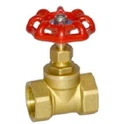
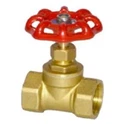
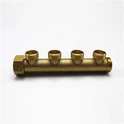
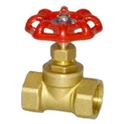
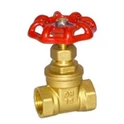
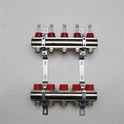
Hey there! As a supplier of brass valve bodies, I often get asked about what's going on inside these things. So, I thought I'd take a moment to break down the internal structure of a brass valve body and give you a better understanding of how it all works.
First off, let's talk about brass. Brass is an alloy made up of copper and zinc. This combination gives it some really great properties, like being corrosion-resistant, strong, and easy to machine. That's why it's such a popular choice for making valve bodies.
Now, when we look at the internal structure of a brass valve body, there are a few key components that we need to focus on. The first one is the flow path. This is the channel through which the fluid (whether it's water, gas, or something else) moves when the valve is open. The design of the flow path can vary depending on the type of valve and its intended use. For example, in a simple on - off valve, the flow path might be a straight tube, while in a more complex valve like a Water Heater Three - way Elbow Joint, the flow path will have multiple branches to direct the fluid in different directions.


Next up is the seat. The seat is a crucial part of the valve body. It's the surface against which the valve closure element (like a ball, disc, or plug) seals when the valve is closed. A well - made seat ensures a tight seal, preventing any leakage of the fluid. In a brass valve body, the seat is usually machined to a very high precision to ensure a proper fit with the closure element. For instance, in a ball valve, the seat needs to be perfectly round and smooth so that the ball can rotate freely and seal effectively when the valve is shut off.
Then we have the closure element. This is the part that actually controls the flow of the fluid. As I mentioned earlier, there are different types of closure elements, such as balls in ball valves, discs in gate valves, and plugs in plug valves. Each type has its own advantages and is suitable for different applications. For example, ball valves are great for quick on - off control and can handle high - pressure applications, while gate valves are better for applications where a full, unobstructed flow is required when the valve is open.
Another important component is the stem. The stem is what connects the actuator (the part that you use to operate the valve, like a handle or a motor) to the closure element. It transfers the motion from the actuator to the closure element, allowing you to open or close the valve. In a brass valve body, the stem needs to be strong enough to withstand the forces involved in operating the valve and also resistant to corrosion.
Now, let's talk about some of the additional features that you might find in a brass valve body. One common feature is the Brass Gasket. Gaskets are used to create a seal between different parts of the valve body, such as between the bonnet (the part that covers the top of the valve) and the main body. A brass gasket is a good choice because it can withstand high temperatures and pressures and provides a reliable seal.
Some brass valve bodies also have a Galvanized Brass Body. Galvanizing is a process where a layer of zinc is applied to the surface of the brass. This layer of zinc acts as a protective barrier, preventing the brass from corroding. It's especially useful in applications where the valve will be exposed to harsh environments, like in outdoor plumbing systems or industrial settings.
When it comes to manufacturing a brass valve body, there are several steps involved. First, the raw brass material is selected based on the requirements of the valve. Then, it goes through a series of machining operations, such as turning, milling, and drilling, to create the shape and internal structure of the valve body. After that, the valve body is heat - treated to improve its strength and hardness. Finally, it undergoes a finishing process, which might include polishing, plating, or painting, to give it a nice appearance and further protect it from corrosion.
As a supplier of brass valve bodies, I know how important it is to have a high - quality product. That's why we pay close attention to every detail in the manufacturing process. We use the latest technology and equipment to ensure that our valve bodies meet the highest standards of quality and performance. Whether you're looking for a simple on - off valve or a complex multi - way valve, we've got you covered.
If you're in the market for brass valve bodies, I'd love to have a chat with you. We can discuss your specific requirements, and I can help you find the right valve body for your application. Whether you're a plumber, an engineer, or someone involved in a large - scale industrial project, we have the expertise and the products to meet your needs. So, don't hesitate to reach out and start a conversation about your valve body requirements.
References
- "Valve Handbook" - A comprehensive guide on valve technology and applications.
- "Materials Science for Engineers" - Covers the properties and uses of different materials, including brass.