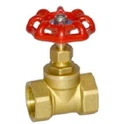
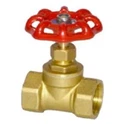
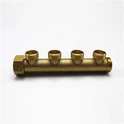
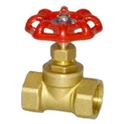
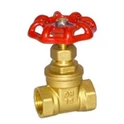
Hey there! As a supplier of brass valve bodies, I often get asked this question: "Is a brass valve body corrosion-resistant?" Well, let's dive right into it and break this down.
First off, brass is an alloy made mainly of copper and zinc. The ratio of these two metals can vary, and sometimes other elements are added in small amounts too. This combination gives brass some pretty cool properties. One of the big advantages of brass is that it has a decent level of corrosion resistance.
Copper, one of the main components of brass, forms a thin oxide layer on its surface when exposed to air. This layer acts as a protective shield, preventing further oxidation and corrosion. Zinc also plays a role in enhancing this protection. When brass is in a normal, non - aggressive environment, this natural protective layer does a good job of keeping the valve body in good shape.
For example, in household plumbing systems, brass valve bodies are commonly used. The water flowing through these pipes is usually at a normal pH level and doesn't contain a high concentration of corrosive substances. In such conditions, brass valve bodies can last for a long time without significant corrosion. You can rely on them to control the flow of water in your sinks, showers, and toilets without worrying too much about them falling apart due to rust.
However, it's not all sunshine and rainbows. Brass valve bodies do have their limits when it comes to corrosion resistance. If they are exposed to highly acidic or alkaline environments, things can start to go south. Acidic substances can break down the protective oxide layer on the brass surface. Once this layer is gone, the metal is directly exposed to the corrosive agents, and corrosion can occur at a much faster rate.
Let's say you have a chemical processing plant where there are strong acids or alkalis being transported through the pipes. In this case, a regular brass valve body might not be the best choice. The aggressive chemicals can eat away at the brass, causing pitting, cracking, and eventually, failure of the valve. So, while brass has some corrosion resistance, it's important to consider the specific environment where the valve body will be used.
Another factor that can affect the corrosion resistance of brass valve bodies is the presence of certain contaminants in the fluid flowing through them. For instance, if the water contains high levels of chlorine, it can react with the brass. Chlorine is a strong oxidizing agent, and it can disrupt the protective oxide layer on the brass surface. Over time, this can lead to corrosion and degradation of the valve body.


Now, let's talk about some of the products we offer as a brass valve body supplier. We have an External Thread Three - way Valve Body. This valve body is designed to provide flexibility in fluid control. It has external threads, which make it easy to install and connect to other parts of the plumbing or industrial system. The brass used in this valve body is carefully selected to ensure a good balance between strength and corrosion resistance.
We also offer a Galvanized Brass Body. Galvanization is a process where a thin layer of zinc is applied to the surface of the brass. This additional layer of zinc provides extra protection against corrosion. It acts as a sacrificial anode, meaning that it will corrode first before the brass underneath starts to corrode. This can significantly extend the lifespan of the valve body, especially in environments where there is a moderate risk of corrosion.
And then there's our Brass Gasket. Gaskets are an important part of any valve system. They help to create a tight seal between different components, preventing leaks. Our brass gaskets are made from high - quality brass, which is not only corrosion - resistant but also has good elasticity. This ensures a reliable seal, even in demanding applications.
So, to answer the question "Is a brass valve body corrosion - resistant?" The answer is yes, to a certain extent. Brass valve bodies have a natural level of corrosion resistance due to the properties of the copper and zinc in the alloy. But their performance can be affected by the environment they are in, such as the pH level of the fluid, the presence of contaminants, and the temperature.
If you're in the market for brass valve bodies, it's crucial to choose the right product for your specific needs. Consider the environment where the valve will be used, and don't hesitate to reach out to us for advice. We have a team of experts who can help you select the most suitable brass valve body for your application. Whether it's for a small household plumbing project or a large - scale industrial installation, we've got you covered.
If you're interested in learning more about our brass valve body products or have any questions regarding corrosion resistance and the best product for your needs, feel free to get in touch with us. We're always happy to assist you with your procurement process and have in - depth discussions about your requirements.
References
- "The Properties and Applications of Brass Alloys" - Metal Handbook
- "Corrosion of Metals in Different Environments" - Journal of Corrosion Science