Can a duplex valve be used in corrosive environments?
In the industrial and engineering sectors, the choice of valves for specific environments is crucial to ensure the efficiency, safety, and longevity of systems. One common question that often arises is whether a duplex valve can be used in corrosive environments. As a supplier of Duplex Valve, I am well - versed in this topic and will provide a comprehensive analysis in this blog.
Understanding Duplex Valves
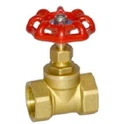
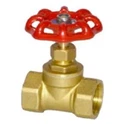
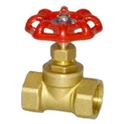
Duplex valves are a type of valve that combines the functions of two valves into one unit. They are designed to provide more control options and flexibility in fluid systems. Duplex valves are typically made from duplex stainless steel, which is a two - phase alloy consisting of ferrite and austenite. This unique microstructure gives duplex stainless steel several advantages over other materials.
The duplex stainless steel used in duplex valves has high strength and excellent resistance to stress corrosion cracking. It also offers good general corrosion resistance, pitting resistance, and crevice corrosion resistance. These properties make duplex valves suitable for a wide range of applications, including those in the chemical, oil and gas, and marine industries.
Corrosive Environments
Corrosive environments are those where the surrounding medium can cause the deterioration of materials through chemical or electrochemical reactions. There are various types of corrosive environments, such as acidic environments, alkaline environments, and environments with high salt content.
In acidic environments, for example, the presence of acids can react with the metal surface of the valve, leading to corrosion. Alkaline environments can also cause corrosion, especially if the pH level is extremely high. High - salt environments, like those in marine applications, can accelerate corrosion due to the presence of chloride ions, which are highly corrosive to many metals.
Suitability of Duplex Valves in Corrosive Environments
General Corrosion Resistance
The duplex stainless steel used in duplex valves has a relatively high chromium and molybdenum content. Chromium forms a passive oxide layer on the surface of the metal, which acts as a barrier to prevent further corrosion. Molybdenum enhances the resistance to pitting and crevice corrosion, which are common types of corrosion in corrosive environments.
For instance, in chemical processing plants where there are often acidic or alkaline substances, duplex valves can withstand the corrosive effects better than many other valve materials. The passive oxide layer formed by chromium can self - repair if it is damaged, ensuring continuous protection against corrosion.
Resistance to Stress Corrosion Cracking
Stress corrosion cracking is a major concern in many industrial applications. It occurs when a material is under tensile stress in a corrosive environment. Duplex stainless steel has excellent resistance to stress corrosion cracking due to its two - phase microstructure. The ferrite phase in the duplex stainless steel helps to inhibit the propagation of cracks, while the austenite phase provides ductility and toughness.
In oil and gas pipelines, where the valves are often under high pressure (tensile stress) and are exposed to corrosive substances such as hydrogen sulfide and carbon dioxide, duplex valves can offer reliable performance. They are less likely to experience stress corrosion cracking compared to other valve materials, which can lead to leaks and system failures.


Pitting and Crevice Corrosion Resistance
Pitting corrosion is the formation of small holes or pits on the metal surface, while crevice corrosion occurs in narrow gaps or crevices. The molybdenum content in duplex stainless steel significantly improves its resistance to pitting and crevice corrosion.
In marine applications, where the valves are constantly exposed to seawater with a high salt content, the chloride ions in the seawater can cause pitting and crevice corrosion. Duplex valves can resist these types of corrosion, making them a suitable choice for shipbuilding, offshore platforms, and desalination plants.
Limitations and Considerations
Although duplex valves have many advantages in corrosive environments, there are also some limitations and considerations.
Temperature and Pressure
The performance of duplex valves in corrosive environments can be affected by temperature and pressure. At high temperatures, the passive oxide layer on the surface of the duplex stainless steel may break down, reducing its corrosion resistance. High - pressure conditions can also increase the risk of stress corrosion cracking. Therefore, it is important to select the appropriate grade of duplex stainless steel and design the valve according to the specific temperature and pressure requirements of the application.
Chemical Compatibility
Not all chemicals are compatible with duplex stainless steel. Some highly aggressive chemicals, such as concentrated sulfuric acid or hydrofluoric acid, can cause severe corrosion to duplex valves. Before using duplex valves in a corrosive environment, it is necessary to conduct a chemical compatibility analysis to ensure that the valve material can withstand the specific chemicals present.
Comparison with Other Valve Materials
When considering using valves in corrosive environments, it is also important to compare duplex valves with other valve materials.
Carbon Steel Valves
Carbon steel valves are relatively inexpensive, but they have poor corrosion resistance in most corrosive environments. In acidic, alkaline, or high - salt environments, carbon steel valves can corrode quickly, leading to frequent replacements and high maintenance costs. In contrast, duplex valves offer much better corrosion resistance, which can result in longer service life and lower overall costs.
Brass Valves
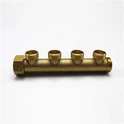
Brass valves, such as Manual Radiator Valve, are commonly used in heating systems. While brass has some corrosion resistance, it is not as good as duplex stainless steel in highly corrosive environments. Brass can be susceptible to dezincification in certain conditions, which can weaken the valve structure. Duplex valves are a better choice for applications where high - level corrosion resistance is required.
Conclusion
In conclusion, duplex valves can generally be used in corrosive environments due to the excellent corrosion resistance properties of duplex stainless steel. They offer good general corrosion resistance, resistance to stress corrosion cracking, and pitting and crevice corrosion resistance. However, it is important to consider the specific conditions of the corrosive environment, such as temperature, pressure, and chemical compatibility.
If you are looking for reliable valves for your corrosive environment applications, our company as a Duplex Valve supplier can provide you with high - quality duplex valves. We have a wide range of valve products and can offer professional advice on valve selection according to your specific needs. Feel free to contact us for further discussions and procurement negotiations. We are committed to providing you with the best valve solutions for your projects.
References
- "Duplex Stainless Steels: An Overview" by ASM International
- "Corrosion Resistance of Metals and Alloys" by Robert Winston Revie
- "Valve Selection Guide" by various industry standards and manufacturers' literature