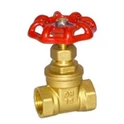
Testing the performance of a PPR spherical valve is crucial to ensure its reliability, efficiency, and safety in various applications. As a PPR spherical valve supplier, I understand the importance of comprehensive testing to meet the diverse needs of our customers. In this blog, I will share some key aspects and methods for testing the performance of PPR spherical valves.
1. Visual Inspection
Before conducting any performance tests, a thorough visual inspection is essential. Check the valve body for any visible defects such as cracks, scratches, or uneven surfaces. Ensure that the valve handle is properly attached and can rotate smoothly. Examine the sealing surfaces of the ball and seats for any signs of damage or contamination. A damaged sealing surface can lead to leakage, which is a major performance issue.
2. Pressure Testing
Pressure testing is one of the most important tests for PPR spherical valves. It helps to determine the valve's ability to withstand different pressure levels without leakage. There are two main types of pressure tests: hydrostatic test and pneumatic test.
Hydrostatic Test
In a hydrostatic test, the valve is filled with water and pressurized to a specified level for a certain period. The test pressure is usually higher than the normal operating pressure to ensure the valve's integrity. For example, if the normal operating pressure of the valve is 10 bar, the test pressure may be set at 15 bar for a duration of 10 - 15 minutes. During the test, carefully observe the valve for any signs of leakage at the joints, seals, or the valve body itself. If there is any leakage, the valve fails the test and needs to be repaired or replaced.
Pneumatic Test
A pneumatic test uses compressed air instead of water. It is often used when the valve needs to be tested in a dry environment or when water may cause damage to the valve or the surrounding equipment. However, pneumatic tests are generally more dangerous than hydrostatic tests because of the potential for sudden release of high - pressure air. The test pressure and duration are similar to the hydrostatic test, but extra safety precautions should be taken.
3. Flow Rate Testing
The flow rate of a PPR spherical valve is an important performance indicator. It determines how much fluid can pass through the valve under a given pressure difference. To test the flow rate, a flow meter is installed in the pipeline upstream or downstream of the valve. The valve is then fully opened, and the fluid is allowed to flow through the system. The flow meter measures the volume or mass of the fluid passing through the valve per unit time.
The flow rate of a valve is affected by several factors, including the valve size, the internal diameter of the valve, and the pressure drop across the valve. By comparing the measured flow rate with the valve's rated flow rate, we can determine if the valve is performing as expected. If the measured flow rate is significantly lower than the rated flow rate, it may indicate a blockage inside the valve or a problem with the valve's design.
4. Torque Testing
Torque testing measures the amount of force required to open and close the valve. A torque wrench is used to apply a gradually increasing force to the valve handle until the valve starts to move. The maximum torque value during the opening and closing process is recorded.
Proper torque is important for the smooth operation of the valve. If the torque is too high, it may be difficult for the operator to open or close the valve, which can lead to operational difficulties and potential damage to the valve. On the other hand, if the torque is too low, the valve may not be properly sealed, resulting in leakage.


5. Sealing Performance Testing
The sealing performance of a PPR spherical valve is critical to prevent fluid leakage. There are two main types of sealing: seat sealing and stem sealing.
Seat Sealing Test
To test the seat sealing, the valve is closed, and a pressure is applied to one side of the valve. The pressure is maintained for a certain period, and the leakage rate is measured. The leakage rate should be within the acceptable range specified by the relevant standards. For example, for a high - quality PPR spherical valve, the leakage rate may be required to be less than 0.1% of the rated flow rate.
Stem Sealing Test
The stem sealing test focuses on the sealing between the valve stem and the valve body. A pressure is applied to the valve, and the area around the stem is inspected for any signs of leakage. If there is leakage around the stem, it may be due to a damaged stem seal or improper installation.
6. Durability Testing
Durability testing evaluates the valve's ability to withstand repeated opening and closing cycles over a long period. A valve is typically tested by subjecting it to a large number of opening and closing operations using an automated testing device. The test may simulate different operating conditions, such as different pressures and temperatures.
During the durability test, the valve's performance is continuously monitored, including the torque, flow rate, and sealing performance. If the valve's performance deteriorates significantly after a certain number of cycles, it may indicate a problem with the valve's materials or design.
Applications and Related Products
PPR spherical valves are widely used in various industries, including water supply systems, heating systems, and industrial pipelines. Our company also offers other related products such as the Fire Reel Ball Valve, which is specifically designed for fire protection systems, and the Brass Ball Float Valve, which is commonly used in water tanks for level control. You can also explore our PPR Spherical Valve product page for more information about our high - quality PPR spherical valves.
Conclusion
Testing the performance of a PPR spherical valve is a complex but necessary process. By conducting comprehensive tests, we can ensure that our valves meet the highest quality standards and provide reliable service to our customers. If you are interested in our PPR spherical valves or have any questions about valve performance testing, please feel free to contact us for procurement and further discussions. We are committed to providing you with the best products and solutions for your needs.
References
- ASME B16.34 - Valves - Flanged, Threaded, and Welded End.
- ISO 5208 - Industrial valves - Pressure testing of valves.
- API 598 - Valve Inspection and Testing.