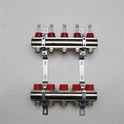
Manifolds play a crucial role in civil engineering, offering a wide range of applications that contribute to the efficiency, safety, and functionality of various infrastructure projects. As a reputable manifold supplier, I have witnessed firsthand how these components are utilized in different aspects of civil engineering. In this blog post, I will explore the diverse ways in which manifolds are used in civil engineering and highlight their significance in modern construction and infrastructure development.
1. Water Distribution Systems
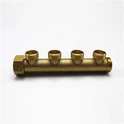
One of the primary applications of manifolds in civil engineering is in water distribution systems. Manifolds are used to distribute water evenly across multiple outlets, ensuring that each fixture or area receives an adequate supply of water. In large buildings, such as commercial complexes, hospitals, and residential apartments, manifolds are installed at strategic locations to manage the flow of water to different floors and rooms.
For example, in a high - rise building, a water manifold can be used to split the main water supply into multiple branches, each serving a different floor. This helps in maintaining consistent water pressure throughout the building and reduces the risk of water shortages or pressure drops. Additionally, manifolds can be equipped with valves and flow regulators, allowing for precise control of water flow to individual fixtures. This is particularly important in applications where water conservation is a priority, such as in green buildings or areas with limited water resources.
The use of manifolds in water distribution systems also simplifies maintenance and repairs. By isolating specific sections of the system using the manifold's valves, plumbers can easily access and fix leaks or other issues without disrupting the entire water supply. This reduces downtime and minimizes the impact on building occupants.
2. HVAC Systems
Heating, ventilation, and air - conditioning (HVAC) systems are another area where manifolds are extensively used in civil engineering. In HVAC systems, manifolds are employed to distribute refrigerant, hot water, or chilled water to multiple coils or units.
In a commercial HVAC system, for instance, a refrigerant manifold is used to connect the compressor to multiple evaporator coils. This allows the system to cool or heat different areas of the building independently, based on the specific requirements of each zone. By controlling the flow of refrigerant to each coil, the HVAC system can maintain a comfortable indoor environment while optimizing energy consumption.
Similarly, in a hydronic heating or cooling system, a water manifold distributes hot or chilled water to various radiators or fan coils throughout the building. The manifold ensures that each unit receives the appropriate amount of water at the correct temperature, enabling efficient heat transfer and temperature control.
Manifolds in HVAC systems are often made of materials that can withstand high pressures and temperature variations. They are also designed to minimize pressure drops and ensure smooth fluid flow, which is essential for the efficient operation of the HVAC system.
3. Fire Protection Systems
Fire protection is a critical aspect of civil engineering, and manifolds play a vital role in fire sprinkler systems. A fire sprinkler manifold is used to distribute water from the main water supply to multiple sprinkler heads.
In a large building, a single fire sprinkler manifold can serve an entire floor or a group of rooms. The manifold is connected to the main water line and has multiple outlets, each leading to a sprinkler head. When a fire is detected, the sprinkler heads are activated, and water is released through the manifold to suppress the fire.
The design of fire sprinkler manifolds is carefully engineered to ensure rapid and uniform water distribution. They are typically made of materials that are resistant to corrosion and can withstand high - pressure water flow. Additionally, fire sprinkler manifolds are often equipped with check valves and pressure gauges to monitor and control the water supply.
4. Plumbing Systems in Industrial Buildings
In industrial buildings, manifolds are used in plumbing systems to manage the flow of various fluids, including water, chemicals, and gases. For example, in a manufacturing plant, a chemical manifold is used to distribute different chemicals to various processing units.
The manifold allows for precise control of the flow rate and pressure of each chemical, ensuring that the manufacturing process runs smoothly and safely. It also helps in preventing cross - contamination between different chemicals by isolating each flow path.
In addition, industrial plumbing manifolds can be used to manage the drainage of wastewater from different areas of the plant. By collecting and directing the wastewater to a central treatment facility, the manifold helps in maintaining a clean and safe working environment.
5. Geothermal Energy Systems
Geothermal energy is an increasingly popular renewable energy source in civil engineering, and manifolds are an essential component of geothermal systems. In a geothermal heat pump system, a manifold is used to connect the ground loop pipes to the heat pump unit.
The ground loop consists of a series of pipes buried underground, which exchange heat with the earth. The manifold distributes the heat - transfer fluid (usually a mixture of water and antifreeze) between the ground loop and the heat pump. This allows the system to extract heat from the ground during the winter and transfer heat back to the ground during the summer.
Manifolds in geothermal systems are designed to be durable and efficient, as they are exposed to varying temperatures and pressures. They are also equipped with valves and connectors that make it easy to install, maintain, and service the geothermal system.
6. Electrical Systems
Although not as common as in fluid - based systems, manifolds can also be used in electrical systems. For example, Copper Wiring Terminal manifolds are used to organize and distribute electrical connections. In a large electrical panel or switchgear, a wiring terminal manifold can be used to group and connect multiple wires, making the installation and maintenance of the electrical system more organized and efficient.
These manifolds are typically made of high - quality copper or other conductive materials and are designed to provide a secure and reliable electrical connection. They can also help in reducing the risk of short circuits and electrical failures by keeping the wires properly separated and organized.
Conclusion
In conclusion, manifolds are indispensable components in civil engineering, with applications spanning across various systems and industries. From water distribution and HVAC systems to fire protection and geothermal energy systems, manifolds contribute to the efficient, safe, and reliable operation of infrastructure projects.
As a manifold supplier, I understand the importance of providing high - quality manifolds that meet the specific requirements of each project. Whether it's a small residential building or a large industrial complex, our manifolds are designed to deliver optimal performance and durability.
If you are involved in a civil engineering project and are in need of reliable manifolds, I encourage you to reach out to us for a detailed discussion. We can provide you with the right manifold solutions tailored to your project's needs and help you ensure the success of your infrastructure development.
References
- "Civil Engineering Handbook" by William A. Nash
- "HVAC Systems Design Handbook" by Ashrae
- "Fire Protection Engineering Handbook" by NFPA