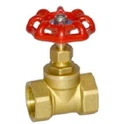
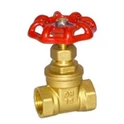
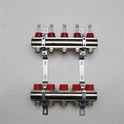
Hey there! As a supplier of Duplex Valves, I often get asked about the installation orientation of these nifty little devices. So, I thought I'd take a few minutes to break it down for you.
First off, let's talk about what a Duplex Valve is. A Duplex Valve is a type of valve that combines two functions in one unit. It's commonly used in heating systems, especially in radiators. You can learn more about Duplex Valve on our website.
Now, the installation orientation of a Duplex Valve is crucial for its proper functioning. There are a few key factors to consider when deciding how to install it.
Flow Direction
The most important thing to keep in mind is the flow direction of the fluid (usually water or a water - glycol mixture in heating systems). Duplex Valves are designed to work with a specific flow direction. You'll typically find an arrow on the valve body indicating the correct flow direction. The fluid should enter the valve from the side where the arrow starts and exit from the end where the arrow points. Installing the valve against the flow direction can lead to reduced efficiency, increased pressure drop, and even damage to the valve over time.
Mounting Position
Another aspect of installation orientation is the mounting position. In most cases, Duplex Valves can be installed in a horizontal or vertical position. However, there are some differences in performance and maintenance depending on the position.
Horizontal Installation
When installing a Duplex Valve horizontally, it's important to ensure that the valve is level. An uneven installation can cause the internal components to wear unevenly, leading to leaks or reduced functionality. Horizontal installation is often preferred in systems where there is limited vertical space or when the pipe layout makes it more convenient. It also allows for easier access to the valve for maintenance and adjustment.
Vertical Installation
Vertical installation has its own advantages. In some heating systems, a vertical installation can help with air venting. Air bubbles tend to rise in a vertical pipe, and if the valve is installed vertically, these bubbles can be more easily released through the air vent on the valve. However, when installing vertically, you need to make sure that the valve is installed in the correct orientation so that the air vent is at the top. Otherwise, air can get trapped in the valve, causing problems like noisy operation or reduced heating efficiency.
Connection to the System
The way the Duplex Valve is connected to the rest of the heating system also affects its installation orientation. It usually has two main connections: one for the inlet and one for the outlet. These connections need to be properly aligned with the pipes in the system.
It's also important to consider the connection type. Some Duplex Valves have threaded connections, while others may have compression or soldered connections. Make sure you use the appropriate tools and techniques for the specific connection type to ensure a leak - free installation.
Compatibility with Other Components
The Duplex Valve doesn't work in isolation. It needs to be compatible with other components in the heating system, such as radiators and Manual Radiator Valve. When installing the Duplex Valve, you need to make sure that it is properly integrated with these other components.
For example, if you're using a Manual Radiator Valve in conjunction with a Duplex Valve, the flow rates and pressure ratings of both valves need to be compatible. Incorrect compatibility can lead to problems like over - or under - heating of the radiator.
Testing After Installation
Once you've installed the Duplex Valve, it's crucial to test the system. Start by slowly opening the valve and checking for any leaks at the connections. Then, monitor the system's performance, such as the temperature of the radiator and the pressure in the pipes. If you notice any issues, such as uneven heating or abnormal pressure readings, it could be a sign that the valve is installed incorrectly.


Common Mistakes to Avoid
There are a few common mistakes that people make when installing Duplex Valves. One of the most common is ignoring the flow direction arrow. As I mentioned earlier, installing the valve against the flow can cause a lot of problems. Another mistake is not properly tightening the connections. Loose connections can lead to leaks, which not only waste energy but can also cause water damage to the surrounding area.
Maintenance and Orientation
The installation orientation also affects the maintenance of the Duplex Valve. A well - installed valve in the correct orientation is easier to maintain. For example, if the valve is installed in a position where it's easily accessible, you can quickly perform tasks like cleaning the valve or replacing its internal components if necessary.
Why Choose Our Duplex Valves
As a supplier, we take pride in offering high - quality Duplex Valves. Our valves are designed with precision to ensure optimal performance in various installation orientations. We use top - grade materials to ensure durability and reliability. Whether you need a valve for a small residential heating system or a large commercial project, we have the right solution for you.
If you're in the market for a Duplex Valve or have any questions about installation orientation, don't hesitate to reach out. We're here to help you make the right choice and ensure a smooth installation process. Contact us today to start the procurement process and let's work together to meet your heating system needs.
In conclusion, the installation orientation of a Duplex Valve is a critical factor that can significantly impact its performance and longevity. By following the guidelines I've outlined above, you can ensure that your Duplex Valve is installed correctly and operates efficiently.
References
- "Valve Handbook" by Crane Co.
- Industry standards and guidelines for heating system components.