Hey there! As a supplier of Duplex Valves, I often get asked about how to test the performance of these nifty little devices. So, I thought I'd put together a blog post to share some insights on this topic. Whether you're an engineer looking to ensure the quality of your system or a purchaser wanting to make an informed decision, this guide is for you.
Understanding the Duplex Valve
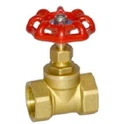
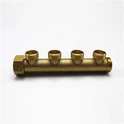
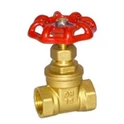
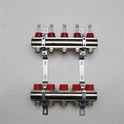
Before we dive into the testing process, let's quickly go over what a Duplex Valve is. A duplex valve is a type of valve that combines two valves into one unit. It's commonly used in heating systems, and it allows for two separate functions or operations to be controlled simultaneously. For example, it can be used to control the flow of hot and cold water in a radiator system.
Why Test the Performance of a Duplex Valve?
Testing the performance of a duplex valve is crucial for several reasons. First and foremost, it ensures that the valve is functioning properly and can meet the requirements of your system. A poorly performing valve can lead to issues such as leaks, improper flow control, and reduced energy efficiency. By testing the valve, you can identify and fix any problems before they cause significant damage or downtime.


Secondly, testing helps you to verify the quality of the valve. As a supplier, we take pride in providing high-quality products, but it's always a good idea to perform some checks on your end to ensure that the valve meets your standards. This is especially important if you're using the valve in a critical application or a high-stress environment.
Tools and Equipment Needed for Testing
To test the performance of a duplex valve, you'll need a few tools and equipment. Here's a list of what you'll typically need:
- Pressure Gauge: This is used to measure the pressure inside the valve and the system. You'll need at least two pressure gauges, one for the inlet and one for the outlet.
- Flow Meter: A flow meter is used to measure the flow rate of the fluid through the valve. This is important for determining the valve's capacity and efficiency.
- Temperature Sensor: Depending on the application, you may need a temperature sensor to measure the temperature of the fluid. This can help you to ensure that the valve is operating within the desired temperature range.
- Leak Detection Equipment: A leak detection kit or other suitable equipment can be used to check for leaks around the valve. This is important for safety and to prevent damage to the system.
- Testing Stand: A testing stand or fixture is needed to hold the valve in place during testing. This ensures that the valve is properly aligned and that the measurements are accurate.
Step-by-Step Testing Process
Visual Inspection
The first step in testing a duplex valve is to perform a visual inspection. This involves checking the valve for any signs of damage, such as cracks, dents, or corrosion. You should also check the valve's connections to ensure that they are tight and secure. If you notice any damage or issues during the visual inspection, the valve may need to be repaired or replaced before further testing.
Pressure Test
The next step is to perform a pressure test. This involves applying pressure to the valve and checking for leaks or other issues. To perform a pressure test, you'll need to connect the valve to a testing stand and apply a known pressure using a pressure source. You should then monitor the pressure gauge to ensure that the pressure remains stable. If the pressure drops or fluctuates, it may indicate a leak or other problem with the valve.
Flow Test
After the pressure test, you'll need to perform a flow test. This involves measuring the flow rate of the fluid through the valve at different pressure settings. To perform a flow test, you'll need to connect the valve to a flow meter and a pressure source. You should then adjust the pressure to different levels and record the corresponding flow rates. This will help you to determine the valve's flow characteristics and its capacity.
Temperature Test
Depending on the application, you may also need to perform a temperature test. This involves measuring the temperature of the fluid before and after it passes through the valve. To perform a temperature test, you'll need to connect a temperature sensor to the inlet and outlet of the valve. You should then record the temperatures at different operating conditions. This will help you to ensure that the valve is operating within the desired temperature range.
Functionality Test
Finally, you'll need to perform a functionality test. This involves testing the valve's ability to perform its intended functions. For example, if the valve is a Manual Radiator Valve, you'll need to test its ability to control the flow of hot and cold water in the radiator. To perform a functionality test, you'll need to operate the valve according to its instructions and observe its performance.
Interpreting the Test Results
Once you've completed the testing process, you'll need to interpret the test results. This involves comparing the test results to the valve's specifications and requirements. If the test results meet the specifications, the valve is considered to be performing properly. If the test results do not meet the specifications, the valve may need to be adjusted, repaired, or replaced.
Conclusion
Testing the performance of a duplex valve is an important step in ensuring its quality and reliability. By following the steps outlined in this guide and using the right tools and equipment, you can accurately test the valve's performance and identify any issues that may need to be addressed. As a Duplex Valve supplier, we're committed to providing high-quality products and supporting our customers in ensuring the proper operation of their systems.
If you're in the market for a Duplex Valve or have any questions about testing valve performance, feel free to reach out to us. We'd be more than happy to discuss your requirements and help you make an informed decision.
References
- ASME Boiler and Pressure Vessel Code
- ASTM International Standards
- Manufacturer's Specifications and Installation Guides