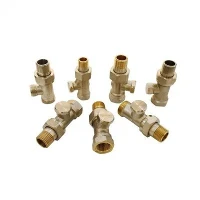
As a TRV valve supplier, I get this question all the time from homeowners, heating engineers, and building managers: “How do I know if my thermostatic radiator valve is actually doing its job?” It’s a fair one—TRVs are the quiet workhorses of central heating systems, adjusting heat to individual rooms to save energy and keep spaces comfortable. But if they fail, you might end up with uneven heating, higher bills, or even a cold room while another feels like a sauna. Over the 10+ years I’ve worked in heating valve manufacturing and distribution, I’ve seen TRVs stop working for all sorts of reasons—some small, some more serious, but most easy to spot if you know what to look for.
First, let’s cut through the basics: what a TRV is, and what it’s supposed to do. A thermostatic radiator valve uses a wax capsule (or liquid-filled bellows) at the top to sense air temperature in the room. When the temperature hits your setting (usually between 18°C and 21°C for living spaces), the capsule expands, pushing a pin to close the valve and cut hot water to the radiator. When the room cools, the capsule contracts, opening the valve again to let heat flow. Unlike a Manual Radiator Valve, which only lets you adjust flow manually, TRVs automate this process—so their failure means you lose that automation, ending up with either constant heat (wasting energy) or no heat at all. That’s why regular checks matter, especially as heating systems age.
Let’s start with the most obvious sign: uneven room temperatures. If you set your TRVs to 20°C for the bedroom and 19°C for the living room, but your bedroom is 23°C while the living room is 16°C, your TRV is almost certainly not working as it should. But wait—don’t jump to conclusions here. Sometimes uneven heat comes from a blocked radiator (air trapped inside, or sludge build-up in the pipes) rather than the valve itself. To rule that out, feel the radiator from top to bottom. If only the bottom is cold, it’s a radiator or pipe issue; if one half of the radiator is hot and the other is cold, that’s also a blockage. If the whole radiator is hot or cold, and the rest of the radiators work fine, your TRV is likely the problem.
Next, physical inspection of the TRV itself. This is something even a beginner can do, no tools required. First, check the head (the round, temperature-adjusting part at the top of the TRV). Make sure it’s not loose, cracked, or covered in dirt. The wax capsule inside is delicate—if it’s cracked, it can leak wax or stop expanding/contracting properly, so the valve won’t open or close correctly. Dirt is a big culprit too: if dust, pet hair, or loose paint builds up on the head, it can insulate the capsule, making it sense the wrong temperature. For example, a TRV covered in a thick layer of dust might think the room is hotter than it is, so it closes prematurely—leaving your room cold. I always tell customers to wipe the TRV head with a soft cloth every few months; it’s a quick fix that often solves minor issues.
Then, test the valve’s operation manually. Most TRVs have a small pin under the head—you can usually pull off the plastic cover with your fingers, or use a flathead screwdriver for stubborn ones. Gently press this pin in (that’s the valve closing) and then release it (that’s the valve opening). When you press it, you should feel resistance, and when you release it, it should move smoothly back into place. If it sticks, or doesn’t move at all, that means the valve’s internal mechanism is blocked or damaged. Sludge from the heating system is the most common cause here—over time, rust and scale build up in the pipes, and that gunk can get into the TRV’s valve body, stopping it from opening or closing. In that case, you might need to flush the system, or in some cases, replace the TRV.
Another test: check for constant heat or no heat. If a radiator runs hot 24/7, even when the room is way above your setting, the TRV is stuck closed? Wait, no—let’s clarify: if the radiator is always hot, that means the TRV is not closing when it should, so hot water keeps flowing. If the radiator is always cold, the TRV is not opening when it should. Let’s test the stuck-close scenario first. If your living room is way too hot, grab a thermometer, tape it next to the TRV on the radiator, and set the TRV to a lower temperature (say, 16°C). Wait 15-20 minutes, then check if the radiator has cooled down. If it’s still hot, the TRV isn’t closing, so hot water keeps coming. For stuck-open: if your bedroom is cold, set the TRV to a high temperature (21°C), wait 20 minutes, and if the radiator still isn’t warm, the TRV isn’t opening.


A less common, but still important, check is the ambient temperature around the TRV. TRVs are designed to sense the air temperature in the room, not the heat coming off the radiator or direct sunlight on the head. If the TRV is mounted behind a curtain, next to a bookshelf, or above a radiator, the temperature it senses will be wrong. For example, a TRV above a radiator will think the room is hotter than it actually is, so it’ll stay closed, leaving the room cold. A TRV in direct sunlight will sense extra heat, closing even when the rest of the room is cool. I’ve seen this mistake so many times—people install their TRV too close to a heat source, and then think the valve is broken, when it’s just in the wrong spot. That’s an easy fix: move the TRV to an open wall, at least 15cm away from other objects, to ensure it’s sensing the correct room temperature.
Now, what if none of these quick checks work? Then it’s time for a deeper look, and that’s where I come in as a TRV valve supplier. First, you can check the valve’s connection to the pipe. Make sure the TRV is screwed on tight, and that there’s no leak around the base—leaks can damage the internal parts of the valve, leading to failure. If the valve is leaking, you’ll need to turn off the heating system (to drain the water) and either tighten the connection or replace the TRV.
Another advanced check: use a multimeter to test the TRV’s electrical component? Wait, no—most standard TRVs are mechanical, not electronic, so you don’t need a multimeter. If you have a smart TRV (which has a digital sensor and motor), then a multimeter can help, but that’s a different category. For mechanical TRVs, the easiest way to check internal operation is to remove the head (unscrew it from the valve body) and check the pin inside. The pin should move smoothly when you press it—if it’s stiff, the valve is blocked. If it doesn’t move at all, the valve is damaged.
Now, let’s talk about common mistakes people make when troubleshooting TRVs. First, confusing TRV issues with Manual Radiator Valve issues. A Manual Radiator Valve is simple—you turn it to adjust flow, no automatic sensing. If your manual valve isn’t working, it’s usually just a broken handle or a blocked valve. But a TRV is more complex, so its failure often comes from sensing issues, not just physical blockages. That’s why it’s important to know which valve you’re dealing with. I often recommend customers learn the difference: TRVs have the temperature-setting head, while Manual Radiator Valves have a simple lever or wheel handle. If you’re still unsure, you can check product pages like our Duplex Valve page for details on heating valve types, which can help you identify what you have.
Another mistake is ignoring regular maintenance. TRVs don’t require a lot of work, but a quick check every spring (when you turn off the heating for summer) and fall (when you start it up again) can catch small issues before they become big ones. For example, in the fall, when you turn on the heating, check each TRV to make sure it opens and closes correctly. If it doesn’t, you can clean the head or flush the system, which is way easier than replacing a TRV mid-winter when your room is cold.
Now, when should you replace a TRV instead of repairing it? Minor issues like a dirty head or a loose connection can be fixed easily, but if the valve is cracked, leaking, or the internal mechanism is severely damaged, replacement is the only solution. As a TRV supplier, I recommend high-quality brass TRVs, which are durable and long-lasting—way better than cheaper plastic ones that break easily. Brass valves resist corrosion, which is a big plus in heating systems that have water running through them.
If you’re in the market for a new TRV, or you need advice on which one is right for your system, feel free to reach out. I work with heating engineers, plumbers, and homeowners every day to find the right TRV, whether it’s for a small apartment or a large commercial building. Our team can help you check if your existing TRV is working, or recommend a replacement if needed. Don’t let a faulty TRV waste your energy or make your home uncomfortable—reach out to our team today to discuss your heating valve needs.
References:
- Heating Valve Association, “Thermostatic Radiator Valve Performance Testing Standards,” 2022
- Brass Industry Association, “Durability of Brass Valves in Central Heating Systems,” 2021
- Energy Saving Trust, “Tips for Maintaining Central Heating Valves,” 2020