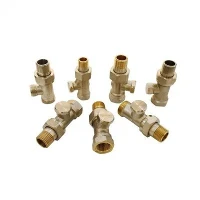
When most folks think about plumbing or industrial valves, they probably don’t spend a second wondering how long the valve body will hold up—until it doesn’t. As a brass valve body supplier, I get asked this question all the time: “What’s the aging resistance of a brass valve body?” It’s not a one-word answer, I’ll tell you that. Aging resistance here depends on a handful of factors: the brass alloy mix, how the body was processed, the environment it lives in, and even how well it was installed. Let’s break this down like we’re chatting over a coffee, no boring textbook jargon (well, not too much).
First off, let’s get one thing straight: brass is an alloy of copper and zinc, and sometimes small doses of other metals like lead, tin, or nickel to tweak its properties. That mix is everything when it comes to aging. Copper is naturally durable, zinc adds strength, and those extra elements can help fight off corrosion. But not all brass is created equal. Some cheaper, low-zinc brass might start to break down faster, especially if it’s sitting in harsh conditions. The good stuff, like the leaded red brass or yellow brass we use for most of our valve bodies, is designed to resist what’s called “dezincification”—that’s when zinc leaches out of the alloy, leaving behind a porous, weak copper structure. No one wants that happening in a valve that’s supposed to handle water, gas, or chemicals day in and day out.
Processing plays a huge role too. How the brass is treated after shaping it? That’s where things like pickling come in. If you’re not familiar, pickling is a process where you use an acid solution to remove surface impurities and scale that show up after machining or casting. It’s like giving the brass a fresh, clean start. Our Pickled Brass Valve Body goes through this exact process, and it makes a big difference in aging resistance. Without that step, leftover gunk on the surface can start reacting with the surrounding environment, leading to pitting or corrosion over time. I’ve seen unprocessed brass valves develop little rust spots (even though it’s brass, not iron) in just a couple of years because of that—total avoidable mistake.
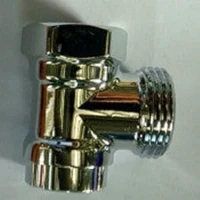
Another common finish is chrome plating. A lot of customers ask about Chrome-Plated Brass Body for that shiny, sleek look, but it’s not just for aesthetics. The chrome layer acts as a barrier between the brass core and the outside world—blocking moisture, chemicals, and physical abrasion. That extra layer can drastically slow down aging, especially in environments like coastal areas where salt in the air is a corrosion nightmare. Just keep in mind, if the chrome finish gets scratched, it creates a weak spot where moisture can get in, so it’s not indestructible—but it’s way better than plain brass for long-term use.
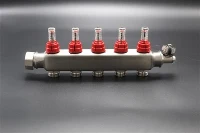
Now, let’s talk about different valve body types, because aging resistance can vary depending on the design. For example, our Five Way Valve Body is used in systems that need multiple flow paths, often in things like HVAC or industrial processing. Those bodies have to handle more complex flow dynamics and sometimes more pressure, which can put extra stress on the material over time. We use a higher-grade brass for five-way valves to handle that stress, and the design is optimized to prevent turbulence that could cause wear. Then there’s the External Thread Three-way Valve Body, which has threads on the outside for connecting to pipes. Those threads are a common spot for corrosion to start, so we make sure to coat them properly and use a brass that’s resistant to thread seizing and degradation when exposed to pipe dope or water over years.
What about external factors? Even the best brass valve body will age faster if it’s put in the wrong place. If you install a plain brass valve in a area with hard water (high mineral content) that’s not treated, those minerals can build up on the surface, leading to scale that traps moisture and causes corrosion. Or if it’s near a chemical plant where fumes are acidic, that’ll eat away at the material quicker than in a neutral environment. On the flip side, a brass valve in a nice, dry, neutral area with proper installation can last decades—we’re talking 50+ years in some residential plumbing applications. I’ve worked on projects where old brass valves were pulled out after 60 years and still worked fine, just a little surface patina (that’s the dark, aged layer that’s actually protective, by the way) and zero structural issues.
Wait, let’s clear up a common myth: patina isn’t a bad thing. A lot of people see that green or brown layer on old brass and think it’s corroding, but actually, that patina is a protective oxide layer that forms when copper reacts with air or water. It seals the surface so no more moisture or chemicals can get in. It’s like a natural shield. The problem is when corrosion goes beyond that—like if you see pitting, white powdery residue, or the valve starting to leak from the body itself, that’s a sign of bad aging, not normal patina.
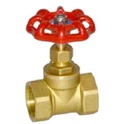
Now, what about our specific products? We don’t cut corners here. Our Brass Double Valve Body is designed for applications where you need two separate flow paths, so we use a heavy-gauge brass alloy that’s machined precisely to avoid weak spots. We also offer optional finishes for all our bodies, from pickled to chrome-plated, so you can pick the right one for your environment. For example, if you’re in a coastal area, going with the Chrome-Plated Brass Body is a no-brainer. If you just need a standard valve for residential plumbing in a dry climate, our Pickled Brass Valve Body is more than enough, and it’s cost-effective too.
Maintenance plays a part too, even if it’s minimal. A quick visual check every few years—wiping down the valve body, checking for leaks, making sure there’s no build-up around the connections—can catch early signs of aging before they turn into big problems. I always tell customers: don’t ignore that small leak or a spot that looks off. Fix it early, and your brass valve will last as long as the pipes around it.
Let’s get into the science a little more (promise it’s not boring). The aging process for brass is categorized into two main types: general corrosion and localized corrosion. General corrosion is when the whole surface breaks down evenly—this is slow and mostly harmless as long as it’s not too thick. Localized corrosion is the scary kind: pitting, dezincification, or crevice corrosion (that happens in tight spaces like between the valve body and the pipe fitting). The right brass alloy and proper processing minimize localized corrosion, which is why our products are tested to withstand years of use without that kind of damage. For example, dezincification-resistant (DZR) brass is a specific alloy we use for a lot of our bodies—it has extra arsenic or antimony that stops zinc from leaching out, so that’s a big one for aging resistance in wet environments.
So putting it all together: the aging resistance of a brass valve body isn’t a fixed number. It depends on the brass alloy, surface processing, finish, design, environment, and even basic maintenance. But if you pick a quality brass valve body, process it right, install it in the appropriate environment, and give it a quick check-up occasionally, you’re looking at decades of reliable service. As a supplier, that’s what we promise—our valves aren’t just parts, they’re long-term solutions.


If you’re looking for a valve body that’s tailored to your specific application—whether it’s a Five Way Valve Body for industrial use, an External Thread Three-way Valve Body for plumbing, or a Chrome-Plated Brass Body for a finished aesthetic—we’ve got you covered. We work with all kinds of clients, from residential plumbers to industrial engineers, and we can help you pick the right brass valve body with the aging resistance you need for your project. Don’t hesitate to reach out to our team to chat through your requirements and get a quote that fits.
References:
- ASM International. (2008). Corrosion of Brass Alloys. In Corrosion: Materials (Vol. 13B). ASM Handbook.
- National Association of Plumbing-Heating-Cooling Contractors (NAPHCC). (2021). Plumbing Materials Guide: Brass Valve Longevity and Maintenance.
- Stainless Steel & Brass Development Association (SSBDA). (2019). Aging Resistance of Copper Alloy Valves for Potable Water Systems.
- International Organization for Standardization (ISO). (2017). ISO 6509:2017, Corrosion of Metals and Alloys – Determination of Dezincification Resistance of Brass.
- The American Water Works Association (AWWA). (2020). Valve Materials and Durability in Municipal Water Distribution Systems.