Hey there! As a supplier of Flowmeter Manifolds, I often get asked about the back-pressure effect of these nifty devices. So, let's dive right in and break it down in plain English.
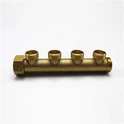
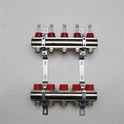
First off, what the heck is a flowmeter manifold? Well, it's a key component in fluid systems that helps manage the flow of liquids or gases. You can check out more about Flowmeter Manifold on our website. These manifolds are designed to connect multiple flowmeters to a single source or distribute the flow to different destinations. They're like the traffic cops of fluid systems, keeping everything in order.
Now, let's talk about back pressure. Back pressure is the resistance that a fluid encounters as it flows through a system. It's kind of like trying to push water through a narrow pipe. The narrower the pipe, the more resistance there is, and the harder it is to push the water. In a flowmeter manifold, back pressure can have a significant impact on the performance of the system.
One of the main causes of back pressure in a flowmeter manifold is restrictions in the flow path. This can be due to things like valves that are partially closed, orifices that are too small, or even debris that has clogged the manifold. When the flow is restricted, the fluid has to work harder to get through, which creates back pressure.
Another factor that can contribute to back pressure is the length and diameter of the pipes in the manifold. Longer pipes and smaller diameters increase the resistance to flow, which in turn increases the back pressure. It's important to design the manifold with the right pipe sizes and lengths to minimize back pressure.
So, why is back pressure such a big deal? Well, for starters, it can affect the accuracy of the flowmeters. When there's too much back pressure, the flowmeters may not be able to measure the flow accurately, which can lead to incorrect readings. This can be a real problem in applications where precise flow measurement is critical, like in chemical processing or medical equipment.
Back pressure can also cause problems with the performance of the pumps and other components in the system. When the pumps have to work against high back pressure, they have to use more energy, which can increase operating costs and reduce the lifespan of the pumps. In some cases, the high back pressure can even cause the pumps to fail.
To minimize the back-pressure effect in a flowmeter manifold, there are several things you can do. First, make sure to design the manifold with the right components and pipe sizes to minimize restrictions in the flow path. Use valves that are fully open when possible, and make sure the orifices are the right size for the flow rate.
Regular maintenance is also crucial. Keep the manifold clean and free of debris, and check the valves and other components regularly to make sure they're working properly. If you notice any signs of increased back pressure, like a decrease in flow rate or an increase in pump power consumption, it's important to investigate and fix the problem as soon as possible.
In addition to the flowmeter manifold, there are other types of manifolds that can be affected by back pressure. For example, Temperature Control Manifold is used to regulate the temperature of a fluid in a system. Back pressure in a temperature control manifold can affect the heat transfer efficiency, which can lead to problems with temperature control.
Similarly, Manifold Tail Piece is another component that can be impacted by back pressure. The tail piece is used to connect the manifold to the rest of the system, and if there's too much back pressure in the tail piece, it can cause problems with the flow and performance of the entire system.
When designing a flowmeter manifold, it's important to take into account the potential for back pressure and to implement measures to minimize its effects. This may involve using pressure relief valves to prevent the back pressure from getting too high, or using bypass lines to divert some of the flow around the restrictions.
In conclusion, the back-pressure effect in a flowmeter manifold is something that needs to be carefully considered in any fluid system design. By understanding the causes of back pressure and taking steps to minimize it, you can ensure the accurate performance of the flowmeters and the overall efficiency of the system.
If you're in the market for a high-quality flowmeter manifold or other types of manifolds, we're here to help. Our team of experts can work with you to design a manifold that meets your specific needs and minimizes the back-pressure effect. Whether you're working on a small-scale project or a large industrial application, we have the experience and expertise to provide you with the best solutions.
Don't let back pressure cause problems in your fluid system. Contact us today to discuss your manifold requirements and start the procurement process. We're looking forward to working with you!
References


- Fluid Mechanics textbooks for general principles of fluid flow and back pressure.
- Industry standards and guidelines for flowmeter manifold design and installation.