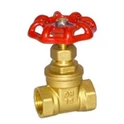
As a supplier of TRV (Thermostatic Radiator Valve) products, I often receive inquiries about the temperature range of TRV valves. Understanding this range is crucial for both consumers and professionals in the heating industry. In this blog post, I'll delve into the details of the temperature range of TRV valves, its significance, and how it impacts the performance of heating systems.
Basics of TRV Valves
TRV valves are intelligent devices designed to regulate the temperature of a radiator. They work by sensing the ambient temperature in a room and adjusting the flow of hot water into the radiator accordingly. This not only helps maintain a comfortable temperature but also contributes to energy efficiency by preventing over - heating.
Typical Temperature Range of TRV Valves
Most standard TRV valves have a temperature range that typically spans from around 5°C to 28°C. This range is suitable for a wide variety of indoor environments, from cool storage areas to warm living spaces.
At the lower end of the range, around 5°C, the valve allows a minimal amount of hot water to enter the radiator. This setting is useful in areas where a very low level of heat is required, such as unoccupied rooms or spaces where you want to prevent freezing. For example, in a guest room that is rarely used, setting the TRV to 5°C can keep the room from getting too cold without wasting a significant amount of energy.
On the other hand, the upper limit of 28°C is designed for situations where a high level of warmth is needed. This could be in a very cold climate or in a room with high heat loss, such as a conservatory with large glass windows. However, it's important to note that in normal living conditions, setting the temperature too high can lead to discomfort and unnecessary energy consumption.
Factors Affecting the Temperature Range
Several factors can influence the effective temperature range of a TRV valve:
1. Valve Design and Quality
High - quality TRV valves are often more accurate in maintaining the set temperature and may have a wider or more precise temperature range. Cheaper valves may have a less accurate sensing mechanism, which can result in the actual temperature deviating from the set temperature. As a supplier, I always recommend choosing valves from reputable manufacturers to ensure reliable performance.
2. Radiator Size and Capacity
The size and capacity of the radiator play a role in how well the TRV valve can regulate the temperature. A large radiator may take longer to heat up or cool down, which can affect the responsiveness of the valve. In some cases, if the radiator is too large for the room, the valve may struggle to maintain a stable temperature within the desired range.
3. Room Insulation
Well - insulated rooms are easier to heat and maintain at a consistent temperature. In a poorly insulated room, heat loss is higher, and the TRV valve may need to work harder to keep the temperature within the set range. This can lead to more frequent adjustments and potentially less accurate temperature control.
Importance of the Right Temperature Range
Selecting the appropriate temperature range for a TRV valve is essential for several reasons:
1. Comfort
Maintaining a comfortable indoor temperature is the primary goal of any heating system. A properly set TRV valve ensures that the room temperature remains within the comfort zone for the occupants. Whether it's a cozy living room or a warm bedroom, the right temperature range helps create a pleasant environment.


2. Energy Efficiency
By accurately regulating the temperature, TRV valves can significantly reduce energy consumption. When the room reaches the desired temperature, the valve reduces the flow of hot water, preventing over - heating and wasting energy. This not only saves money on energy bills but also contributes to a more sustainable environment.
3. Equipment Longevity
Operating the heating system within the appropriate temperature range can extend the lifespan of the radiator and other components. Over - heating can cause wear and tear on the radiator and pipes, leading to premature failure. A well - functioning TRV valve helps prevent such issues by maintaining a stable temperature.
Complementary Valve Products
In addition to TRV valves, we also offer other types of valves that can be used in heating systems. For those who prefer a more traditional approach, our Manual Radiator Valve provides a simple and reliable way to control the flow of hot water to the radiator. It allows users to manually adjust the heat output according to their needs.
Another option is our Duplex Valve, which combines the functions of two valves in one unit. This can be a great solution for more complex heating systems where precise control is required.
Contact for Purchase and Consultation
If you're in the market for TRV valves or have questions about the temperature range and its application in your heating system, I encourage you to get in touch. Our team of experts is ready to assist you in selecting the right valves for your specific needs. Whether you're a homeowner looking to upgrade your heating system or a professional in the construction or heating industry, we can provide you with the best products and advice.
References
- ASHRAE Handbook of Fundamentals. American Society of Heating, Refrigerating and Air - Conditioning Engineers.
- Technical guides from leading TRV valve manufacturers.