What is the flow rate of a PP - R gate valve?
As a supplier of PP - R gate valves, I often encounter questions from customers regarding the flow rate of these valves. Understanding the flow rate of a PP - R gate valve is crucial for various applications, whether it's in residential plumbing systems or industrial fluid control setups. In this blog, I'll delve into the factors that affect the flow rate of a PP - R gate valve and provide some insights to help you make informed decisions.
Understanding Flow Rate
Flow rate refers to the volume of fluid that passes through a valve within a specific period. It is typically measured in units such as liters per minute (L/min) or cubic meters per hour (m³/h). The flow rate of a PP - R gate valve is influenced by several key factors, including the valve's size, design, and the pressure differential across the valve.
Valve Size
One of the most significant factors affecting the flow rate of a PP - R gate valve is its size. Larger valves generally have a higher flow capacity compared to smaller ones. This is because a larger valve opening allows more fluid to pass through in a given time. For example, a 2 - inch PP - R gate valve will have a higher flow rate than a 1 - inch valve under the same pressure conditions.
When selecting a PP - R gate valve for your application, it's essential to consider the required flow rate. If you need to transport a large volume of fluid, a larger valve size may be necessary. However, it's also important to ensure that the valve is compatible with the rest of the plumbing system, including the pipe diameter.
Valve Design
The design of a PP - R gate valve can also impact its flow rate. Gate valves are designed to either fully open or fully close, providing a straight - through flow path when fully open. This design minimizes flow restrictions and allows for a relatively high flow rate compared to other types of valves, such as globe valves.
However, the internal structure of the gate valve can still affect the flow characteristics. For instance, a well - designed gate valve with a smooth interior surface will have less friction and turbulence, resulting in a higher flow rate. On the other hand, a valve with a rough or irregular interior may cause more resistance to the fluid flow, reducing the overall flow rate.
Pressure Differential
The pressure differential across a PP - R gate valve is another critical factor influencing the flow rate. Pressure differential is the difference in pressure between the inlet and the outlet of the valve. A higher pressure differential will generally result in a higher flow rate, as the fluid is forced through the valve more quickly.
It's important to note that the flow rate is not linearly proportional to the pressure differential. As the pressure differential increases, the flow rate will increase, but at a decreasing rate due to factors such as fluid viscosity and turbulence. Therefore, when calculating the flow rate, it's necessary to use appropriate flow equations that take into account these factors.
Calculating the Flow Rate
Calculating the exact flow rate of a PP - R gate valve can be complex, as it requires considering multiple factors. One common method is to use the flow coefficient (Cv) of the valve. The flow coefficient is a measure of the valve's capacity to pass fluid and is defined as the number of US gallons per minute of water at 60°F that will flow through the valve with a pressure drop of 1 psi.
The formula for calculating the flow rate (Q) using the flow coefficient is:
[Q = Cv\times\sqrt{\frac{\Delta P}{SG}}]
where Q is the flow rate in US gallons per minute, Cv is the flow coefficient, (\Delta P) is the pressure differential in psi, and SG is the specific gravity of the fluid.
For non - water fluids, the specific gravity needs to be taken into account. If you are working with metric units, the formula can be adjusted accordingly.
It's important to note that the flow coefficient values are typically provided by the valve manufacturer. These values are determined through testing under specific conditions and can vary depending on the valve size and design.
Applications and Flow Rate Requirements
The flow rate requirements for PP - R gate valves vary depending on the application. In residential plumbing systems, gate valves are commonly used to control the flow of water to different fixtures, such as sinks, toilets, and showers. For these applications, a relatively low flow rate may be sufficient, typically ranging from a few liters per minute to tens of liters per minute.
In industrial applications, such as chemical processing or water treatment plants, the flow rate requirements can be much higher. These applications may require valves with flow rates in the hundreds or even thousands of cubic meters per hour. When selecting a PP - R gate valve for industrial use, it's crucial to ensure that the valve can handle the required flow rate and pressure conditions.

Our PP - R Gate Valves
As a supplier of PP - R gate valves, we offer a wide range of products to meet different flow rate requirements. Our valves are made from high - quality PP - R material, which provides excellent corrosion resistance and durability. They are designed with a smooth interior surface to minimize flow restrictions and ensure a high flow rate.
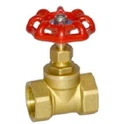
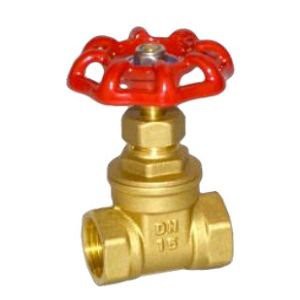
We also offer Customized Brass Gate Valve and Brass Gate Valve 1/2" for customers who have specific requirements. If you are interested in our PP - R Gate Valve, please feel free to contact us for more information. We can provide you with detailed product specifications, including the flow coefficient and recommended flow rates for different applications.
Conclusion
In conclusion, the flow rate of a PP - R gate valve is influenced by factors such as valve size, design, and pressure differential. Understanding these factors is essential for selecting the right valve for your application and ensuring optimal performance. By considering the required flow rate, you can choose a PP - R gate valve that meets your specific needs and provides reliable fluid control.
If you have any questions about our PP - R gate valves or need assistance in selecting the right valve for your project, please don't hesitate to contact us. We are here to help you make the best decision and ensure the success of your plumbing or industrial system.
References
- Crane Co., "Flow of Fluids Through Valves, Fittings, and Pipe," Technical Paper No. 410.
- Valves - Handbook of Valves and Actuators, various industry - specific handbooks.