How to Turn on a Gas Valve
As a trusted gas valve supplier, I've witnessed firsthand the importance of understanding how to safely and correctly turn on a gas valve. Gas valves are integral components in various systems, from home heating to industrial applications. In this blog post, I'll guide you through the process of turning on a gas valve, ensuring you do it safely and efficiently.


Understanding Gas Valves
Before we delve into the process of turning on a gas valve, it's essential to understand the different types of gas valves available. At our company, we offer a wide range of gas valves, including Handle Gas Valve, Gas Regulator Valve, and Trident Gas Valve. Each type of valve serves a specific purpose and may require a slightly different approach when it comes to operation.
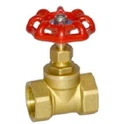
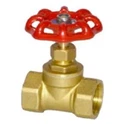
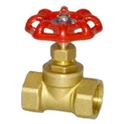
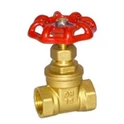
- Handle Gas Valve: This type of valve is commonly used in residential and commercial settings. It features a handle that can be turned to open or close the valve. The handle is usually marked with an arrow indicating the direction of flow.
- Gas Regulator Valve: Gas regulator valves are designed to control the pressure of the gas flowing through the system. They are often used in conjunction with other gas valves to ensure a consistent and safe supply of gas.
- Trident Gas Valve: Trident gas valves are known for their durability and reliability. They are commonly used in industrial applications where a high level of performance is required.
Safety Precautions
Before attempting to turn on a gas valve, it's crucial to take the necessary safety precautions. Gas is a highly flammable substance, and any mishandling can result in serious injury or even death. Here are some safety tips to keep in mind:
- Ventilate the Area: Make sure the area where you'll be working is well-ventilated. Open windows and doors to allow fresh air to circulate.
- Check for Leaks: Use a gas leak detector or a solution of soapy water to check for gas leaks. Apply the solution to the connections and joints of the gas valve. If you see bubbles forming, there is a leak. Do not attempt to turn on the valve if you detect a leak.
- Wear Protective Gear: Wear appropriate protective gear, such as gloves and safety glasses, to protect yourself from any potential hazards.
- Turn Off Electrical Appliances: Turn off all electrical appliances in the area to prevent any sparks that could ignite the gas.
- Follow Manufacturer's Instructions: Always follow the manufacturer's instructions when operating the gas valve. If you're unsure about anything, consult a professional.
Steps to Turn on a Gas Valve
Now that you've taken the necessary safety precautions, it's time to turn on the gas valve. The following steps outline the general process of turning on a gas valve:
- Locate the Gas Valve: The gas valve is usually located near the gas appliance or at the main gas supply line. It may be marked with a label or a sign indicating its location.
- Inspect the Valve: Before turning on the valve, inspect it for any signs of damage or wear. Check the handle, the connections, and the seals to ensure they are in good condition.
- Turn the Valve Counterclockwise: To turn on the gas valve, turn the handle counterclockwise. The handle is usually marked with an arrow indicating the direction of flow. Turn the handle until it stops. Do not force the handle if it doesn't turn easily.
- Check for Gas Flow: Once you've turned on the valve, check for gas flow. You can do this by listening for the sound of gas flowing or by using a gas leak detector. If you don't detect any gas flow, there may be a problem with the valve or the gas supply.
- Light the Appliance: If you're turning on the gas valve for a gas appliance, follow the manufacturer's instructions to light the appliance. Make sure the appliance is properly ventilated and that there are no leaks.
Troubleshooting
If you encounter any problems while turning on the gas valve, here are some troubleshooting tips:
- Valve Won't Turn: If the valve won't turn, it may be stuck or damaged. Do not force the valve. Instead, contact a professional to repair or replace the valve.
- No Gas Flow: If you don't detect any gas flow after turning on the valve, there may be a problem with the gas supply or the valve. Check the gas meter to make sure the gas is turned on. If the gas is on, contact a professional to diagnose and repair the problem.
- Gas Leak: If you detect a gas leak, turn off the gas valve immediately and evacuate the area. Do not attempt to fix the leak yourself. Contact a professional to repair the leak.
Conclusion
Turning on a gas valve is a relatively simple process, but it's important to do it safely and correctly. By following the steps outlined in this blog post and taking the necessary safety precautions, you can ensure a safe and efficient operation of your gas valve. If you have any questions or need further assistance, please don't hesitate to contact us. We're a leading gas valve supplier, and we're here to help you with all your gas valve needs. Whether you're looking for a handle gas valve, a gas regulator valve, or a trident gas valve, we have the products and expertise to meet your requirements. Contact us today to discuss your needs and start the procurement process.
References
- National Fire Protection Association. (2023). NFPA 54: National Fuel Gas Code.
- Occupational Safety and Health Administration. (2023). Gas Valve Safety Guidelines.
- Gas Appliance Manufacturers Association. (2023). Gas Valve Installation and Maintenance Manual.