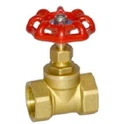
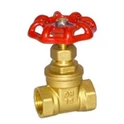
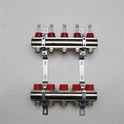
Hey there! As a supplier of TRV valves, I often get asked whether a TRV valve can be used in a multi - zone heating system. Well, let's dive right into it and find out.
First off, let's understand what a TRV valve is. A Thermostatic Radiator Valve (TRV) is a nifty little device that helps control the temperature in a room. It works by automatically adjusting the flow of hot water into a radiator based on the room's temperature. When the room gets too warm, the TRV reduces the flow of water, and when it gets too cold, it increases the flow.
Now, a multi - zone heating system is designed to heat different areas or zones of a building independently. This is super useful in larger buildings where different rooms have different heating requirements. For example, a living room might need to be kept at a cozy 20°C, while a bedroom can be a bit cooler at 18°C.
So, can a TRV valve be used in a multi - zone heating system? The short answer is yes, and here's why.


Advantages of Using TRV Valves in a Multi - Zone Heating System
1. Energy Efficiency
One of the biggest perks of using TRV valves in a multi - zone heating system is energy efficiency. Since each room can have its own TRV, you can set the temperature for each zone according to its needs. This means you're not wasting energy heating rooms that don't need it. For instance, if you have a spare room that's rarely used, you can set the TRV in that room to a lower temperature, saving you money on your energy bills in the long run.
2. Comfort
TRV valves allow for precise temperature control in each zone. You can make sure that every room in your building is at the perfect temperature for its use. Whether it's a warm and inviting living room or a cooler bedroom for a good night's sleep, TRV valves can help you achieve that level of comfort.
3. Flexibility
In a multi - zone heating system, you might want to change the temperature settings in different zones depending on the time of day or the season. With TRV valves, this is a breeze. You can easily adjust the temperature on each valve to suit your changing needs.
How to Install TRV Valves in a Multi - Zone Heating System
Installing TRV valves in a multi - zone heating system isn't too complicated, but it does require a bit of know - how. Here's a step - by - step guide:
1. Plan Your Zones
First, you need to decide which rooms will be in each zone. Consider factors like the size of the room, its orientation, and how often it's used.
2. Choose the Right TRV Valves
Make sure you select TRV valves that are suitable for your heating system. Consider the size of your radiators and the flow rate of your heating system.
3. Turn Off the Heating System
Before you start installing the TRV valves, turn off your heating system and let the radiators cool down. This will prevent any hot water from flowing out during the installation process.
4. Remove the Old Valves
If you have existing manual valves on your radiators, you'll need to remove them. Use a spanner to loosen the nuts and carefully take out the old valves.
5. Install the TRV Valves
Install the new TRV valves in place of the old ones. Make sure they're tightened properly to prevent any leaks.
6. Set the Temperature
Once the TRV valves are installed, you can set the temperature for each zone. Most TRV valves have a simple dial that you can turn to set the desired temperature.
Potential Challenges
While TRV valves offer many benefits in a multi - zone heating system, there are also some potential challenges you need to be aware of.
1. Balancing the System
In a multi - zone heating system, it's important to balance the flow of water to each radiator. If the system isn't balanced correctly, some radiators might not get enough hot water, while others might get too much. This can lead to uneven heating in different zones.
2. Compatibility
Not all TRV valves are compatible with all heating systems. Make sure you choose TRV valves that are designed to work with your specific system. For example, if you have a high - pressure heating system, you'll need to choose TRV valves that can handle the pressure.
3. Maintenance
Like any other device, TRV valves require regular maintenance. Over time, the valve might get clogged with dirt or debris, which can affect its performance. You'll need to clean the valves periodically to keep them working properly.
Other Valves in a Multi - Zone Heating System
In addition to TRV valves, there are other types of valves that can be used in a multi - zone heating system. For example, Duplex Valve is a great option for controlling the flow of water in a more complex system. It can handle higher flow rates and is often used in larger buildings.
Another option is the Manual Radiator Valve. While it doesn't offer the automatic temperature control of a TRV valve, it can still be useful in some situations. For example, if you have a room that doesn't need precise temperature control, a manual radiator valve can be a cost - effective solution.
Conclusion
In conclusion, a TRV valve can definitely be used in a multi - zone heating system. It offers many benefits, such as energy efficiency, comfort, and flexibility. However, you need to be aware of the potential challenges and make sure you choose the right valves for your system.
If you're interested in purchasing TRV valves or other types of valves for your multi - zone heating system, don't hesitate to reach out. We're here to help you find the perfect solution for your needs. Whether you have questions about installation, compatibility, or maintenance, our team of experts is ready to assist you. Contact us today to start a procurement discussion and take your heating system to the next level.
References
- "Heating System Design Handbook"
- "Thermostatic Radiator Valves: A Practical Guide"