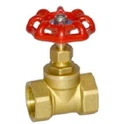
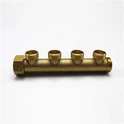
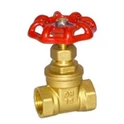
Ensuring the correct alignment of a brass valve body during installation is crucial for the proper functioning and longevity of the valve system. As a trusted supplier of high-quality brass valve bodies, I understand the significance of this process and am here to share some valuable insights and practical tips to help you achieve precise alignment.
Understanding the Importance of Alignment
Before delving into the installation process, it's essential to grasp why correct alignment is so critical. A misaligned brass valve body can lead to a multitude of issues, including leaks, reduced flow rates, premature wear and tear, and even system failure. When the valve body is not properly aligned, the internal components may not function smoothly, causing unnecessary stress on the valve and its surrounding parts. This can result in costly repairs and downtime, which can significantly impact your operations.
Pre-Installation Preparation
Proper preparation is the key to a successful installation. Here are some steps to take before installing the brass valve body:
- Inspect the Valve Body: Thoroughly examine the valve body for any signs of damage, such as cracks, dents, or scratches. Check the threads and sealing surfaces to ensure they are clean and free of debris. If you notice any issues, contact your supplier for a replacement.
- Gather the Necessary Tools: Make sure you have all the tools required for the installation, including wrenches, pliers, a torque wrench, and a sealant. Using the right tools will help you achieve a proper and secure installation.
- Read the Manufacturer's Instructions: Carefully review the installation instructions provided by the manufacturer. These instructions will provide specific guidelines and recommendations for your particular valve body, including torque specifications, sealant requirements, and alignment procedures.
Alignment Techniques
Once you have completed the pre-installation preparation, it's time to focus on aligning the brass valve body. Here are some techniques to ensure correct alignment:
- Use a Straightedge: A straightedge is a simple yet effective tool for checking the alignment of the valve body. Place the straightedge across the flanges or mating surfaces of the valve body and the pipeline. If there is a gap between the straightedge and the surfaces, the valve body is not properly aligned. Adjust the position of the valve body until the straightedge lies flat against the surfaces.
- Check the Centerline: The centerline of the valve body should align with the centerline of the pipeline. You can use a laser alignment tool or a string and plumb bob to check the centerline. If the valve body is not centered, adjust its position until the centerlines match.
- Verify the Angular Alignment: In addition to the centerline alignment, it's important to ensure that the valve body is properly angled. Use a protractor or an angle gauge to measure the angle of the valve body relative to the pipeline. Make any necessary adjustments to ensure the correct angle.
Sealing and Tightening
After aligning the brass valve body, it's time to seal and tighten the connections. Here are some tips to ensure a proper seal:


- Apply Sealant: Use a high-quality sealant recommended by the manufacturer to seal the connections between the valve body and the pipeline. Apply the sealant evenly to the threads or sealing surfaces before making the connections.
- Tighten the Connections: Use a torque wrench to tighten the connections to the specified torque value. Over-tightening can damage the valve body or the pipeline, while under-tightening can result in leaks. Follow the manufacturer's torque specifications to ensure a proper and secure connection.
- Check for Leaks: Once the connections are tightened, check for leaks by pressurizing the system. If you notice any leaks, loosen the connections slightly and reapply the sealant. Then, retighten the connections to the specified torque value.
Additional Considerations
In addition to the alignment and sealing techniques mentioned above, there are some other factors to consider during the installation process:
- Temperature and Pressure: The temperature and pressure of the system can affect the alignment and performance of the brass valve body. Make sure to select a valve body that is suitable for the operating conditions of your system.
- Pipe Support: Proper pipe support is essential to prevent stress and strain on the valve body. Make sure the pipeline is adequately supported to avoid any movement or vibration that could cause misalignment.
- Maintenance: Regular maintenance is crucial to ensure the continued performance and longevity of the brass valve body. Follow the manufacturer's maintenance recommendations, including lubrication, inspection, and replacement of worn parts.
Conclusion
Ensuring the correct alignment of a brass valve body during installation is essential for the proper functioning and longevity of the valve system. By following the techniques and tips outlined in this blog post, you can achieve precise alignment and avoid common installation issues. As a supplier of high-quality brass valve bodies, I am committed to providing you with the best products and support to meet your needs. If you have any questions or need further assistance, please don't hesitate to [contact me for procurement and negotiation].
References
- Manufacturer's installation instructions
- Industry standards and best practices for valve installation