In the realm of fluid measurement and control, flowmeter manifolds play a crucial role. As a seasoned flowmeter manifold supplier, I've witnessed firsthand the diverse needs of our customers and the significance of choosing the right type of manifold. One of the most common inquiries we receive is about the difference between single - port and multi - port flowmeter manifolds. In this blog, I'll delve into the details of these two types of manifolds, highlighting their features, applications, and advantages.
Single - Port Flowmeter Manifolds
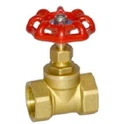
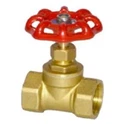
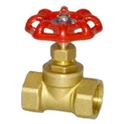
A single - port flowmeter manifold, as the name suggests, has a single connection point for the flowmeter. This simplicity is its defining characteristic. It is designed to provide a straightforward and direct connection between the flowmeter and the fluid system.
Features
- Simplicity: The single - port design makes it easy to install and operate. There are fewer components to deal with, reducing the chances of installation errors. For example, a technician can quickly connect the flowmeter to the system using a single - port manifold without having to worry about complex piping arrangements.
- Compact Size: Due to its minimal design, single - port manifolds are relatively small in size. This makes them ideal for applications where space is limited, such as in small industrial control panels or in tight corners of a manufacturing facility.
- Cost - Effective: With fewer parts and a simpler design, single - port flowmeter manifolds are generally more affordable than their multi - port counterparts. This makes them a popular choice for budget - conscious projects.
Applications
- Basic Flow Measurement: Single - port manifolds are commonly used in applications where only basic flow measurement is required. For instance, in a small water treatment plant, a single - port manifold can be used to connect a flowmeter to measure the flow rate of incoming water.
- Low - Flow Systems: In systems with low flow rates, a single - port manifold can provide an accurate and reliable connection for the flowmeter. This is because the single - port design minimizes pressure drop, which is crucial for accurate measurement in low - flow conditions.
Multi - Port Flowmeter Manifolds
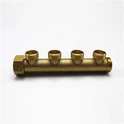
Multi - port flowmeter manifolds, on the other hand, have multiple connection points. These additional ports allow for more complex fluid routing and control.
Features
- Versatility: The multiple ports on a multi - port manifold enable it to be used in a wide range of applications. For example, it can be used to connect multiple flowmeters to a single fluid source or to route the fluid to different destinations.
- Enhanced Control: With multiple ports, multi - port manifolds offer greater control over the fluid flow. Valves can be installed on each port to regulate the flow rate, shut off the flow, or divert the fluid to different paths. This is particularly useful in applications where precise control of the fluid is required.
- Integration: Multi - port manifolds can be easily integrated with other components in the fluid system, such as pressure gauges, temperature sensors, and control valves. This allows for a more comprehensive monitoring and control of the fluid system.
Applications
- Complex Fluid Systems: In large industrial plants, such as refineries or chemical processing facilities, multi - port flowmeter manifolds are used to manage the complex fluid flow. They can be used to connect multiple flowmeters to different sections of the plant, allowing for accurate measurement and control of the fluid at various points.
- Flow Diversion: Multi - port manifolds are also used in applications where the fluid needs to be diverted to different locations. For example, in a water distribution system, a multi - port manifold can be used to direct the water to different storage tanks or to different parts of the city.
Key Differences Between Single - Port and Multi - Port Flowmeter Manifolds
Design and Structure
The most obvious difference between single - port and multi - port flowmeter manifolds is their design. Single - port manifolds have a simple, one - connection design, while multi - port manifolds have multiple connection points. This difference in design also affects their size and complexity. Single - port manifolds are smaller and easier to install, while multi - port manifolds are larger and require more complex piping arrangements.
Functionality
Single - port manifolds are mainly used for basic flow measurement, providing a direct connection between the flowmeter and the fluid system. Multi - port manifolds, on the other hand, offer more functionality. They can be used for flow diversion, multiple flowmeter connections, and enhanced control of the fluid flow.
Cost
As mentioned earlier, single - port flowmeter manifolds are generally more cost - effective than multi - port manifolds. This is due to their simpler design and fewer components. However, the cost of a manifold also depends on other factors, such as the material used, the size, and the brand.
Installation and Maintenance
Single - port manifolds are easier to install and maintain because of their simplicity. There are fewer parts to install and fewer potential points of failure. Multi - port manifolds, on the other hand, require more time and expertise to install. They also have more components that need to be maintained, which can increase the maintenance cost.
Our Product Offerings
As a flowmeter manifold supplier, we offer a wide range of single - port and multi - port flowmeter manifolds to meet the diverse needs of our customers. Our manifolds are made from high - quality materials, such as brass and stainless steel, to ensure durability and reliability.
We also offer Switch Valve Manifold, which are designed to provide precise control over the fluid flow. These manifolds are available in different configurations and sizes to suit various applications.
In addition, our Manifold Tail Piece are essential components for connecting the manifold to the fluid system. They are available in different lengths and diameters to ensure a proper fit.
We also have Four Way Brass Manifold, which are ideal for applications where the fluid needs to be diverted to four different directions. These manifolds are made from high - quality brass, providing excellent corrosion resistance and long - term performance.


Conclusion
In conclusion, the choice between a single - port and multi - port flowmeter manifold depends on the specific requirements of the application. Single - port manifolds are suitable for basic flow measurement and applications where space and cost are limited. Multi - port manifolds, on the other hand, are more versatile and offer enhanced control, making them ideal for complex fluid systems.
If you are in the market for a flowmeter manifold, we encourage you to contact us for more information. Our team of experts can help you choose the right manifold for your application and provide you with the best solution at a competitive price. Whether you need a single - port or multi - port manifold, we have the products and expertise to meet your needs.
References
- "Flowmeter Manifolds: A Technical Guide", Industrial Fluid Measurement Handbook
- "Advances in Fluid Control Systems", Journal of Fluid Engineering
- "Comparative Analysis of Single - Port and Multi - Port Manifolds", Proceedings of the International Conference on Fluid Mechanics