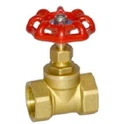
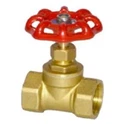
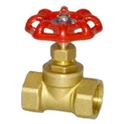
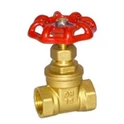
Hey there! As a supplier of 200 WOG globe valves, I often get asked about how to test the performance of these valves. In this blog post, I'm gonna share some practical ways to do just that.
First off, let's understand what a 200 WOG globe valve is. "WOG" stands for Water, Oil, and Gas. A 200 WOG globe valve is designed to handle these types of fluids at a working pressure of up to 200 psi. These valves are commonly used in various industries, including plumbing, HVAC, and industrial process systems.
Visual Inspection
The first step in testing a 200 WOG globe valve is a visual inspection. This might seem like a no - brainer, but it's crucial. Check the valve body for any signs of damage, such as cracks, dents, or corrosion. Make sure all the connections are tight and there are no loose parts. Also, look at the valve stem and handwheel. The stem should move smoothly without any binding, and the handwheel should be firmly attached.
Pressure Testing
Pressure testing is one of the most important performance tests for a 200 WOG globe valve. You can use a pressure testing pump to apply pressure to the valve. Start by closing the valve and then gradually increase the pressure to the rated pressure of 200 psi. Keep the pressure steady for a certain period, usually around 10 - 15 minutes.
During this time, check for any leaks. Look at the valve body, the connections, and the packing around the valve stem. If you see any signs of leakage, it means there's a problem with the valve. It could be a faulty seal, a loose connection, or a damaged valve body.
Flow Testing
Another key aspect of testing a 200 WOG globe valve is flow testing. This test helps you determine how well the valve controls the flow of fluid. You can use a flow meter to measure the flow rate through the valve at different valve openings.
Open the valve fully and measure the maximum flow rate. Then, gradually close the valve in increments and record the flow rate at each position. This will give you an idea of how the valve responds to changes in the opening. A good 200 WOG globe valve should be able to provide a smooth and predictable flow control.
Sealing Performance Testing
The sealing performance of a 200 WOG globe valve is also critical. To test this, you can use a differential pressure gauge. Close the valve and apply a pressure difference across the valve. The valve should be able to maintain a tight seal, and there should be minimal leakage.
You can measure the leakage rate using a calibrated leakage measuring device. A low leakage rate indicates good sealing performance. If the leakage rate is too high, it might be necessary to replace the valve seat or the packing.
Temperature Testing
In some applications, the 200 WOG globe valve may be exposed to different temperatures. Temperature testing helps you ensure that the valve can perform well under these conditions. You can use a temperature - controlled chamber to subject the valve to different temperatures.


Test the valve at both high and low temperatures. Check for any changes in the valve's performance, such as increased leakage or difficulty in operation. The valve should be able to maintain its sealing and flow control capabilities within the specified temperature range.
Material Compatibility Testing
It's also important to test the material compatibility of the 200 WOG globe valve. Different fluids can have different chemical properties, and the valve materials need to be compatible with the fluids they will be handling.
You can conduct chemical immersion tests by immersing samples of the valve materials in the fluids for a certain period. After that, check for any signs of chemical attack, such as swelling, discoloration, or loss of strength. If the materials are not compatible, it can lead to premature failure of the valve.
Comparing with Similar Products
As a supplier, I always recommend comparing our 200 WOG globe valves with other similar products in the market. You can look at products like the PPR Brass Globe Valve and the Round Handwheel Brass Globe Valve 1/2". By comparing the performance, features, and prices, you can make a more informed decision.
Long - Term Performance Testing
For a more comprehensive evaluation, long - term performance testing is a great idea. Install the valve in a real - world application and monitor its performance over an extended period, say a few months or even a year.
During this time, record any issues that arise, such as changes in flow rate, leakage, or operational problems. This will give you a better understanding of the valve's reliability and durability.
Conclusion
Testing the performance of a 200 WOG globe valve is essential to ensure its proper functioning and reliability. By conducting visual inspections, pressure testing, flow testing, sealing performance testing, temperature testing, material compatibility testing, and long - term performance testing, you can get a complete picture of the valve's performance.
If you're in the market for high - quality 200 WOG globe valves or other products like the PPR Brass Globe Valve, feel free to reach out for more information and to discuss your procurement needs. We're here to help you find the best valve solutions for your applications.
References
- Valve Handbook, Second Edition by J. Paul Tullis
- ASME Boiler and Pressure Vessel Code, Section VIII, Division 1
- API 598 Valve Inspection and Testing