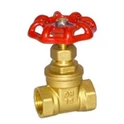
Troubleshooting a leaking ball union valve can be a daunting task, especially if you're not familiar with the inner workings of these valves. As a leading supplier of high-quality Ball Union Valves, I've encountered numerous situations where customers have faced issues with valve leakage. In this blog post, I'll share some expert tips on how to diagnose and fix a leaking ball union valve, ensuring your system runs smoothly and efficiently.
Understanding the Basics of Ball Union Valves
Before we dive into troubleshooting, let's briefly review what a ball union valve is and how it works. A ball union valve is a type of quarter-turn valve that uses a ball with a hole in the middle to control the flow of fluid. When the valve is open, the hole in the ball aligns with the pipe, allowing fluid to pass through. When the valve is closed, the ball rotates 90 degrees, blocking the flow of fluid.
Ball union valves are commonly used in a variety of applications, including plumbing, HVAC systems, and industrial processes. They are known for their durability, reliability, and ease of use. However, like any mechanical component, ball union valves can develop leaks over time due to wear and tear, improper installation, or other factors.
Identifying the Source of the Leak
The first step in troubleshooting a leaking ball union valve is to identify the source of the leak. There are several common areas where leaks can occur in a ball union valve:
- Seat Leaks: The seat is the area where the ball makes contact with the valve body. Over time, the seat can become worn or damaged, causing fluid to leak past the ball.
- Stem Leaks: The stem is the part of the valve that connects the ball to the handle. If the stem packing is loose or damaged, fluid can leak around the stem.
- Body Leaks: The valve body can develop cracks or holes due to corrosion, improper installation, or other factors. These leaks can occur anywhere on the valve body.
- Union Leaks: The union is the connection between the valve and the pipe. If the union is not tightened properly or the gasket is damaged, fluid can leak from the union.
To identify the source of the leak, start by visually inspecting the valve for any signs of damage or wear. Look for cracks, holes, or other visible defects in the valve body, stem, or seat. Check the union connections to make sure they are tight and the gaskets are in good condition. If you can't see the source of the leak, you may need to use a pressure test to pinpoint the problem.
Conducting a Pressure Test
A pressure test is a simple and effective way to determine if a ball union valve is leaking. To conduct a pressure test, you'll need a pressure gauge and a source of pressurized fluid, such as a hand pump or a compressor.
- Isolate the Valve: Before conducting the pressure test, make sure the valve is isolated from the rest of the system. Close all the valves upstream and downstream of the valve you're testing.
- Connect the Pressure Gauge: Connect the pressure gauge to the valve using a suitable fitting. Make sure the connection is tight and there are no leaks.
- Apply Pressure: Slowly apply pressure to the valve using the hand pump or compressor. Monitor the pressure gauge to make sure the pressure is within the recommended range for the valve.
- Check for Leaks: Once the pressure has stabilized, check the valve for any signs of leakage. Look for bubbles, drips, or other visible signs of fluid escaping from the valve. If you detect a leak, note the location and severity of the leak.
- Release the Pressure: After the pressure test is complete, slowly release the pressure from the valve. Disconnect the pressure gauge and reconnect the valve to the system.
Fixing a Leaking Ball Union Valve
Once you've identified the source of the leak, you can take steps to fix the problem. The specific repair method will depend on the type and severity of the leak. Here are some common solutions for fixing a leaking ball union valve:


- Replace the Seat: If the seat is worn or damaged, you'll need to replace it. To replace the seat, you'll need to remove the valve from the system and disassemble it. Use a seat wrench or a similar tool to remove the old seat and install a new one. Make sure the new seat is the correct size and type for your valve.
- Replace the Stem Packing: If the stem packing is loose or damaged, you'll need to replace it. To replace the stem packing, you'll need to remove the valve handle and the stem nut. Use a packing wrench or a similar tool to remove the old packing and install a new one. Make sure the new packing is the correct size and type for your valve.
- Repair the Valve Body: If the valve body has a crack or hole, you may be able to repair it using a valve body repair kit. These kits typically include a patch or a sealant that can be used to fill the crack or hole. Follow the instructions on the repair kit carefully to ensure a proper repair.
- Tighten the Union Connections: If the union connections are loose, you can tighten them using a wrench. Make sure the union nuts are tightened evenly and to the recommended torque specification. If the gasket is damaged, you'll need to replace it.
Preventing Future Leaks
Once you've fixed the leaking ball union valve, you can take steps to prevent future leaks from occurring. Here are some tips for maintaining your ball union valves:
- Regular Inspections: Conduct regular inspections of your ball union valves to check for signs of wear and tear. Look for cracks, holes, or other visible defects in the valve body, stem, or seat. Check the union connections to make sure they are tight and the gaskets are in good condition.
- Proper Installation: Make sure your ball union valves are installed correctly. Follow the manufacturer's instructions carefully and use the correct tools and materials. Make sure the valve is properly aligned and tightened to the recommended torque specification.
- Lubrication: Lubricate the stem and the ball of your ball union valves regularly to prevent wear and tear. Use a high-quality lubricant that is compatible with the fluid being used in your system.
- Use the Right Valve: Make sure you're using the right type of ball union valve for your application. Consider the pressure, temperature, and flow rate requirements of your system when selecting a valve.
Conclusion
Troubleshooting a leaking ball union valve can be a challenging task, but with the right knowledge and tools, you can diagnose and fix the problem quickly and effectively. As a supplier of high-quality Ball Union Valves, we're committed to providing our customers with the best possible products and support. If you're experiencing issues with a leaking ball union valve, or if you have any questions about our products, please don't hesitate to contact us for procurement discussions. We'll be happy to help you find the right solution for your needs.
References
- "Valve Handbook" by J. E. Oland
- "Piping and Pipeline Engineering" by George A. Antaki
- "HVAC Systems Design Handbook" by Ashrae