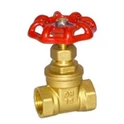
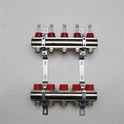
Hey there! As a supplier of Duplex Valves, I often get asked about the flange rating of these valves. So, let's dig into what the flange rating of a duplex valve actually is.
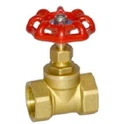
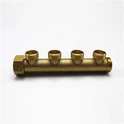
First off, what the heck is a duplex valve? A Duplex Valve is a pretty nifty piece of equipment. It typically consists of two valves in one unit, which allows for a continuous flow of fluid without disruption during maintenance or cleaning. You can shut off one valve while still keeping the other one operational.
Now, onto the flange rating. The flange rating of a valve is crucial as it determines the valve's pressure - handling capabilities. Flanges are the connecting pieces that attach the valve to pipes or other equipment. They come in different ratings, and these ratings are like a code that tells you how much pressure the valve can handle safely.
Flange ratings are usually classified according to specific standards. One of the most common standards is the ASME (American Society of Mechanical Engineers) standard. With ASME standards, flange ratings are denoted by numbers like Class 150, Class 300, Class 600, etc. The higher the class number, the more pressure the flange can withstand.
For example, a Class 150 flange has a lower pressure - handling capacity compared to a Class 300 flange. In general, a Class 150 flange is suitable for relatively low - pressure applications, like in some residential plumbing systems or mild - pressure industrial processes. A system with a lot of steam or high - velocity fluid might require a Class 300 or even a higher - rated flange.
When it comes to duplex valves, choosing the right flange rating is super important. If you pick a flange rating that's too low, the valve could fail under pressure, leading to leaks, system downtime, and potentially dangerous situations. On the other hand, if you go overboard and choose a much higher - rated flange than needed, you're just wasting money.
Let's talk about a real - world scenario. Say you're running a small - scale heating system. You've got a Manual Radiator Valve that connects to a duplex valve. The pressure in this system is relatively low. In this case, a Class 150 flange on the duplex valve would probably be sufficient. The valve will be able to handle the normal operating pressure of the heating system without any issues.
But what if you're in an industrial setting where you're dealing with high - pressure steam or aggressive chemicals? Here, you'd need a much higher - rated flange, like a Class 600 or even higher. The higher rating ensures that the valve can hold up under intense pressure and the harsh conditions of the industrial environment.
Another factor to consider is the size of the valve. Larger duplex valves usually require higher - rated flanges. This is because the larger the valve, the greater the surface area that the pressure acts upon. So, even if the pressure in the system is the same, a bigger valve will need a more robust flange to handle the force.
Now, I know all this technical talk can be a bit overwhelming. But as a Duplex Valve supplier, I'm here to make it easier for you. When you approach me with your requirements, I'll help you figure out the right flange rating for your specific needs.
I'll take into account things like the type of fluid the valve will handle (is it water, oil, gas, or something else?), the operating pressure and temperature of your system, and the size of the valve. Based on this information, I can recommend the most appropriate duplex valve with the right flange rating.
If you're in the market for a duplex valve, don't just go for the cheapest option or the first one you find. Make sure you understand the importance of the flange rating. It's not just about getting the valve to work right now; it's about ensuring long - term reliability and safety for your system.
Whether you're a small business owner looking to upgrade your heating system or an industrial engineer in charge of a large - scale process, I've got the expertise and the right products to meet your needs. I've been in the business for a while, and I've seen all sorts of situations. So, I know what works and what doesn't when it comes to duplex valves and their flange ratings.
If you're interested in learning more about duplex valves or need help in choosing the right one for your project, feel free to reach out. I'm always happy to have a chat, answer your questions, and get you on the right track for your purchase. Let's work together to find the perfect duplex valve solution for you.
And don't hesitate to ask me any other questions you might have. Whether it's about the installation process, maintenance tips, or just general valve knowledge, I'm your go - to guy.
So, what are you waiting for? Contact me today to start discussing your duplex valve requirements. Let's make sure you get a valve with the right flange rating for a smooth - running and safe system.
References


- ASME B16.5 Standard for Pipe Flanges and Flanged Fittings
- Industry - specific handbooks on valve selection and installation