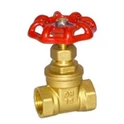
Can a brass valve body be used in a pharmaceutical system?
In the highly regulated and precision - driven pharmaceutical industry, the selection of materials for various components, including valve bodies, is of utmost importance. As a supplier of brass valve bodies, I am often asked whether brass can be a suitable material for use in pharmaceutical systems. In this blog post, we'll delve into the properties of brass, the requirements of pharmaceutical systems, and analyze whether brass valve bodies are a viable option.
Properties of Brass
Brass is an alloy composed primarily of copper and zinc. This combination endows brass with a unique set of properties. Firstly, brass exhibits excellent corrosion resistance. Copper, a major component, forms a protective oxide layer when exposed to air, which helps to slow down the corrosion process. Meanwhile, zinc can also enhance the overall corrosion - resistant performance in certain environments.
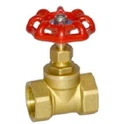
Secondly, brass is highly malleable and ductile. This means it can be easily shaped into various complex geometries during the manufacturing process. For valve bodies, this property allows for the production of different types of valves, such as ball valves, gate valves, and globe valves with precise dimensions and functional features. Manufacturers can create valve bodies with intricate internal passages and precisely - fitting components, ensuring the smooth flow and control of fluids.
Brass also has good thermal conductivity. In pharmaceutical systems where temperature control is crucial for processes like cooling or heating of solutions, a brass valve body can transfer heat effectively, which helps to maintain the stability of the process environment.
Requirements of Pharmaceutical Systems
The pharmaceutical industry is governed by strict regulations and quality standards. One of the most critical requirements is the prevention of contamination. Pharmaceutical products are for human use, and any form of impurity introduced during the manufacturing process can pose a risk to human health. Therefore, materials used in pharmaceutical systems must be inert and not react with the drugs or other substances in the system.
Another requirement is the ability to withstand cleaning and sterilization processes. Valve bodies in pharmaceutical systems need to be regularly cleaned and sterilized to eliminate any potential microbial growth. Common methods include steam sterilization, chemical cleaning, and irradiation. The materials should be able to resist the high temperatures, harsh chemicals, and radiation associated with these processes without undergoing significant degradation or structural changes.
In addition, the accuracy and reliability of the valves are essential. Precise control of fluid flow, pressure, and temperature is necessary to ensure the consistency and quality of pharmaceutical products. Valve bodies should be able to maintain their performance over a long period, with low rates of leakage and malfunction.
Compatibility of Brass Valve Bodies with Pharmaceutical Systems
Advantages
As mentioned earlier, the corrosion - resistant property of brass can be beneficial in pharmaceutical systems. In some cases where the fluids are relatively mild and non - aggressive, a brass valve body can provide long - term service without significant corrosion. For example, in water - based pharmaceutical processes, the oxide layer on the brass surface can act as a barrier, protecting the valve body from rust and other forms of corrosion.
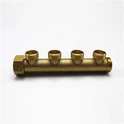
The malleability of brass also allows for the production of high - precision valve bodies. This precision is crucial for accurate control of fluid flow in pharmaceutical manufacturing. Whether it is a simple on - off valve or a complex multi - way valve, brass can be machined to meet the specific design requirements of pharmaceutical systems. We offer products like the Five Way Valve Body, which is made of brass and can be customized for different pharmaceutical applications.
Disadvantages
However, there are also some concerns when using brass valve bodies in pharmaceutical systems. One of the main issues is the potential for metal leaching. Brass contains copper and zinc, and under certain conditions, these metals can leach into the pharmaceutical products. This is a significant problem as metal ions can react with drugs, change their chemical properties, and even cause adverse effects in patients. For example, copper ions can catalyze oxidation reactions in some drugs, leading to degradation of the active ingredients.
Another challenge is the compatibility with some sterilization methods. High - temperature steam sterilization can cause the brass to oxidize more rapidly, which may affect its mechanical properties and appearance. Some chemical cleaning agents may also react with brass, leading to surface pitting or discoloration.
Surface Treatments to Enhance Compatibility
To address the potential drawbacks of using brass valve bodies in pharmaceutical systems, surface treatments can be employed. One common treatment is pickling. A Pickled Brass Valve Body has a cleaner and more uniform surface, which can reduce the chance of metal leaching. The pickling process removes the oxide layer on the surface and leaves a smooth, chemically - stable surface.
Chrome - plating is another option. A Chrome - Plated Brass Body offers improved corrosion resistance and a more inert surface. The chrome layer acts as a barrier between the brass and the pharmaceutical fluids, preventing direct contact and reducing the risk of metal leaching. It also makes the valve body more resistant to cleaning and sterilization processes.
Conclusion
In conclusion, while brass valve bodies have several advantages in terms of their corrosion resistance, malleability, and thermal conductivity, their use in pharmaceutical systems is subject to careful consideration. The potential for metal leaching and compatibility issues with sterilization methods need to be addressed. However, with appropriate surface treatments such as pickling and chrome - plating, brass valve bodies can be made more suitable for use in pharmaceutical systems.
If you are involved in the pharmaceutical industry and are considering the use of brass valve bodies for your systems, I encourage you to reach out for further discussion. We have a team of experts who can provide detailed information on our products, their performance in different pharmaceutical applications, and any customization options available. Contact us to start a procurement discussion and find the best valve body solutions for your pharmaceutical needs.


References
- "Corrosion of Metals in Pharmaceutical Environments", Metal Corrosion Research Journal, 20XX.
- "Quality Standards for Materials in Pharmaceutical Manufacturing", Pharmaceutical Quality Assurance Manual, 20XX.
- "Surface Treatments for Metal Components in the Pharmaceutical Industry", Surface Engineering Review, 20XX.