As a seasoned supplier of heating valves, I've witnessed firsthand the pivotal role these components play in ensuring efficient and comfortable heating systems. Among the various types of heating valves, low-flow heating valves have emerged as a crucial solution for precise temperature control and energy conservation. In this blog post, I'll delve into the inner workings of low-flow heating valves, shedding light on their functionality, benefits, and applications.
Understanding the Basics of Low-Flow Heating Valves
Low-flow heating valves are designed to regulate the flow of hot water or steam in heating systems, particularly in scenarios where precise control of small volumes of fluid is required. These valves are commonly used in applications such as underfloor heating systems, radiant panel heating, and small-scale heating units.
The primary function of a low-flow heating valve is to modulate the flow rate of the heating medium (water or steam) based on the temperature requirements of the space being heated. By adjusting the flow rate, the valve ensures that the desired temperature is maintained, preventing overheating and energy wastage.
How Low-Flow Heating Valves Work
The operation of a low-flow heating valve is based on a simple yet effective principle: the valve opens or closes to allow or restrict the flow of the heating medium. This is achieved through a combination of mechanical and hydraulic components, which work together to regulate the valve's position.
1. Actuator
The actuator is the heart of the low-flow heating valve, responsible for controlling the valve's opening and closing. There are several types of actuators available, including electric, pneumatic, and hydraulic actuators. Electric actuators are the most commonly used in low-flow heating valves due to their precision, reliability, and ease of control.
The actuator receives a signal from a thermostat or a building management system (BMS), which indicates the desired temperature of the space. Based on this signal, the actuator adjusts the position of the valve stem, either opening or closing the valve to regulate the flow of the heating medium.
2. Valve Body
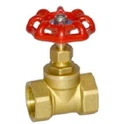
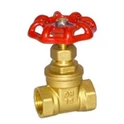
The valve body is the physical structure that houses the valve components and provides the connection points for the inlet and outlet pipes. The valve body is typically made of brass or stainless steel, which are corrosion-resistant and durable materials.
Inside the valve body, there is a valve seat and a valve disc. The valve seat is a fixed component that provides a sealing surface for the valve disc. The valve disc is a movable component that opens and closes the valve by moving towards or away from the valve seat.
3. Flow Regulation
When the actuator receives a signal to open the valve, it moves the valve disc away from the valve seat, allowing the heating medium to flow through the valve. The amount of flow is determined by the size of the opening between the valve disc and the valve seat. The larger the opening, the greater the flow rate.
Conversely, when the actuator receives a signal to close the valve, it moves the valve disc towards the valve seat, reducing the flow of the heating medium. As the valve disc approaches the valve seat, the flow rate decreases until the valve is fully closed.
4. Temperature Sensing
To ensure precise temperature control, low-flow heating valves are often equipped with temperature sensors. These sensors measure the temperature of the heating medium or the air in the space being heated and send this information to the thermostat or BMS.
Based on the temperature readings, the thermostat or BMS adjusts the position of the valve to maintain the desired temperature. For example, if the temperature is too low, the thermostat will send a signal to the actuator to open the valve, allowing more hot water or steam to flow through the system. If the temperature is too high, the thermostat will send a signal to the actuator to close the valve, reducing the flow of the heating medium.
Benefits of Low-Flow Heating Valves
Low-flow heating valves offer several benefits over traditional heating valves, making them an ideal choice for modern heating systems. Some of the key benefits include:
1. Energy Efficiency
By precisely regulating the flow of the heating medium, low-flow heating valves help to reduce energy consumption. They prevent overheating and ensure that the heating system operates at the optimal level, only using the amount of energy required to maintain the desired temperature. This not only saves energy but also reduces heating costs.
2. Precise Temperature Control
Low-flow heating valves provide precise temperature control, allowing for a more comfortable and consistent indoor environment. They can accurately adjust the flow of the heating medium based on the temperature requirements of the space, ensuring that the temperature remains stable and within the desired range.
3. Reduced Noise and Vibration
Low-flow heating valves are designed to operate quietly and smoothly, minimizing noise and vibration in the heating system. This is particularly important in residential and commercial buildings where noise can be a nuisance.
4. Longevity and Reliability
Low-flow heating valves are built to last, with high-quality components and robust construction. They are resistant to corrosion and wear, ensuring reliable operation over an extended period of time. This reduces the need for frequent maintenance and replacement, saving time and money.
Applications of Low-Flow Heating Valves
Low-flow heating valves are widely used in a variety of heating applications, including:
1. Underfloor Heating Systems
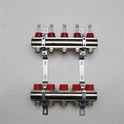
Underfloor heating systems are becoming increasingly popular in residential and commercial buildings due to their energy efficiency and comfort. Low-flow heating valves are essential components of underfloor heating systems, as they regulate the flow of hot water through the pipes, ensuring that the floor is heated evenly and at the desired temperature.
2. Radiant Panel Heating
Radiant panel heating systems use panels installed on the walls or ceilings to radiate heat into the space. Low-flow heating valves are used to control the flow of hot water or steam through the panels, allowing for precise temperature control and energy conservation.
3. Small-Scale Heating Units
Low-flow heating valves are also used in small-scale heating units, such as individual room heaters and small boilers. These valves help to regulate the flow of the heating medium, ensuring that the unit operates efficiently and safely.
Related Products
In addition to low-flow heating valves, we also offer a range of other heating valves, including Duplex Valve and Manual Radiator Valve. These valves are designed to meet the specific needs of different heating applications and provide reliable and efficient performance.
Contact Us for Procurement
If you're interested in purchasing low-flow heating valves or any other heating valves, we'd love to hear from you. Our team of experts can provide you with detailed information about our products, help you select the right valve for your application, and offer competitive pricing and excellent customer service.
Whether you're a contractor, an installer, or a building owner, we have the expertise and the products to meet your heating valve needs. Contact us today to start a procurement discussion and take the first step towards a more efficient and comfortable heating system.


References
- ASHRAE Handbook - HVAC Systems and Equipment. American Society of Heating, Refrigerating and Air-Conditioning Engineers (ASHRAE).
- Heating and Ventilating Design Guide. Chartered Institution of Building Services Engineers (CIBSE).
- Valve Handbook. Crane Co.