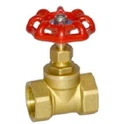
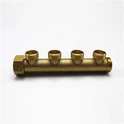
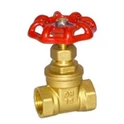
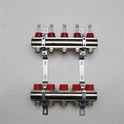
Can brass fittings be painted?
Brass fittings are a staple in many industries, known for their durability, corrosion resistance, and aesthetic appeal. As a supplier of high - quality brass fittings, I often encounter questions from customers about the possibility of painting these fittings. This blog post aims to explore the feasibility, benefits, risks, and best practices of painting brass fittings.
Feasibility of Painting Brass Fittings
The short answer is yes, brass fittings can be painted. Brass is a metal alloy composed mainly of copper and zinc, and it provides a suitable surface for paint adhesion under the right conditions. However, it's crucial to understand that brass has a smooth and non - porous surface, which can make it challenging for paint to stick initially.
To achieve a long - lasting paint job on brass fittings, proper surface preparation is essential. This typically involves cleaning the brass thoroughly to remove any dirt, grease, or oxidation. A mild detergent and warm water can be used to clean the surface, followed by rinsing and drying. After that, light sanding with fine - grit sandpaper can help create a rougher texture for the paint to adhere to.
Benefits of Painting Brass Fittings
One of the main reasons for painting brass fittings is to change their appearance. While brass has a classic and elegant look, there may be situations where a different color or finish is desired to match the overall design scheme. For example, in a modern interior where a more minimalist or monochromatic look is preferred, painting brass fittings black or white can give them a contemporary edge.
Painting can also provide an additional layer of protection against corrosion. Although brass is naturally resistant to corrosion, certain environments with high humidity or chemical exposure can still cause it to deteriorate over time. A well - applied paint coating can act as a barrier, preventing direct contact between the brass and the corrosive elements.
Risks of Painting Brass Fittings
However, there are also some risks associated with painting brass fittings. One of the most significant risks is that a poorly applied paint job can lead to premature peeling or chipping. If the surface is not properly prepared, the paint may not adhere well, and it will start to come off after a short period. This not only ruins the appearance of the fittings but also exposes the brass underneath to potential corrosion.
Another risk is that painting may affect the functionality of the brass fittings. Some paints may contain chemicals that can react with the brass, causing discoloration or other chemical changes. In addition, if the paint is applied too thickly, it could interfere with the proper fit and function of the fittings, especially in applications where precise dimensions are critical, such as in plumbing or electrical systems.
Best Practices for Painting Brass Fittings
When painting brass fittings, it's important to follow a few best practices. First, choose the right type of paint. For brass fittings, an oil - based paint or a high - quality enamel paint is recommended, as they tend to provide better adhesion and durability compared to water - based paints.
Before applying the paint, it's advisable to apply a primer. A metal primer helps to improve the adhesion of the paint to the brass surface and provides an extra layer of protection. Make sure to apply the primer evenly and allow it to dry completely according to the manufacturer's instructions.
When applying the paint, use a high - quality brush or a spray gun for a smooth and even finish. Apply multiple thin coats rather than one thick coat, as this will reduce the risk of drips and ensure better adhesion. Allow each coat to dry thoroughly before applying the next one.
Applications of Painted Brass Fittings
Painted brass fittings can find a wide range of applications. In the plumbing industry, painted brass fittings can be used to match the color scheme of a bathroom or kitchen. For example, Pex Fitting for Heating can be painted to blend in with the surrounding pipes or fixtures.
In the industrial sector, painted brass fittings can be used to identify different types of systems or components. For instance, painting Brass Filter 59 - 1 in a specific color can help workers quickly identify the function of the filter in a complex system.
In the decorative industry, custom - painted brass fittings can add a unique touch to furniture, lighting fixtures, or architectural elements. Custom Brass Fittings can be painted in various colors and finishes to create a one - of - a - kind look.
Conclusion
In conclusion, brass fittings can indeed be painted, but it requires careful consideration and proper execution. The benefits of painting, such as changing the appearance and providing additional protection, can be significant, but the risks, such as poor adhesion and potential functionality issues, must also be taken into account. By following the best practices outlined in this blog post, you can achieve a successful paint job on your brass fittings.


If you're interested in purchasing high - quality brass fittings for your projects and have any questions about painting or other aspects, feel free to reach out to us. We're here to assist you in making the right choice and ensuring the best results for your applications.
References
- "Metal Finishing Guidebook" by Metals Handbook Committee.
- "Coatings for Metals: Principles, Properties, and Performance" by Clive H. Hare.