Hey there! As a supplier of brass ball valves, I've been getting a lot of questions lately about the difference between manual and automated brass ball valves. So, I thought I'd take a few minutes to break it down for you.
Let's start with the basics. A brass ball valve is a type of valve that uses a ball to control the flow of fluid through a pipe. The ball has a hole in the middle, and when the ball is turned, the hole aligns with the pipe, allowing fluid to flow through. When the ball is turned 90 degrees, the hole is perpendicular to the pipe, blocking the flow of fluid.
Manual Brass Ball Valves
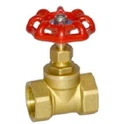
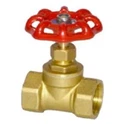
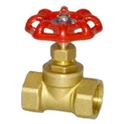
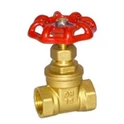
Manual brass ball valves are the most common type of ball valve. They're simple, reliable, and easy to use. You operate them by turning a handle or lever to open or close the valve. It's a hands - on approach that gives you direct control over the flow of fluid.
One of the biggest advantages of manual brass ball valves is their simplicity. There are no complex electronics or control systems to worry about. This makes them a great choice for small - scale applications or situations where you don't need precise control over the flow rate. For example, in a home plumbing system, a manual brass ball valve can be used to shut off the water supply to a specific fixture, like a sink or a toilet.
Another benefit is their cost. Manual valves are generally less expensive than automated ones. They don't require any additional components like motors, sensors, or controllers, which can add a significant amount of cost to the valve. So, if you're on a tight budget, a manual brass ball valve might be the way to go.
However, manual valves do have their limitations. They require physical effort to operate, which can be a problem in some situations. For instance, if you have a large - diameter valve or if the valve is located in a hard - to - reach place, it can be difficult to turn the handle. Also, manual valves are not suitable for applications where you need to control the flow rate quickly or precisely. You have to rely on your own judgment to open or close the valve to the right degree.
Automated Brass Ball Valves
Automated brass ball valves, on the other hand, use an electric, pneumatic, or hydraulic actuator to open and close the valve. This means that you can control the valve remotely, either through a control panel or a computer system.
One of the main advantages of automated brass ball valves is their precision. You can set the valve to open or close to a specific position, allowing for very accurate control over the flow rate. This is crucial in industrial applications where even a small variation in the flow rate can have a big impact on the process. For example, in a chemical processing plant, an automated brass ball valve can be used to control the flow of chemicals into a reaction vessel, ensuring that the reaction proceeds as planned.
Automated valves also offer the advantage of remote control. You can operate the valve from a central location, which is especially useful in large - scale facilities. This not only makes it more convenient but also improves safety. In a hazardous environment, you can avoid having workers physically operate the valve, reducing the risk of accidents.
Another benefit is the speed of operation. Automated valves can open and close much faster than manual valves. This is important in applications where you need to respond quickly to changes in the process conditions. For example, in a fire suppression system, an automated brass ball valve can be used to quickly shut off the water supply in case of a fire.
But automated brass ball valves also have some drawbacks. They are more complex and expensive than manual valves. The actuator, sensors, and control system add to the cost of the valve, and they also require more maintenance. If something goes wrong with the electronics or the actuator, it can be difficult and costly to repair.
Applications
Now, let's talk about where you might use each type of valve.

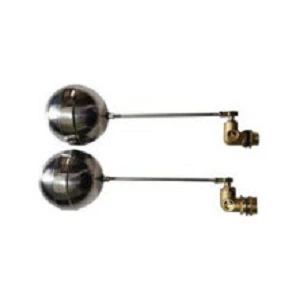
Manual brass ball valves are commonly used in residential and small - commercial plumbing systems. They're also used in some industrial applications where the flow rate doesn't need to be precisely controlled, such as in a simple water - cooling system. You can check out our Brass Ball Float Valve for some great manual valve options.
Automated brass ball valves are mainly used in industrial processes where precision, remote control, and fast operation are required. They're used in industries such as chemical processing, oil and gas, and power generation. Our Ball Valve with Cap 1/2" and Filter Ball Valve are examples of automated valves that can be used in these applications.
Making the Right Choice
So, how do you decide whether to choose a manual or an automated brass ball valve? It really depends on your specific needs. If you're looking for a simple, cost - effective solution for a small - scale application, a manual valve is probably the best choice. But if you need precise control, remote operation, or fast response times, an automated valve is the way to go.
If you're still not sure which type of valve is right for you, don't hesitate to reach out. As a brass ball valve supplier, we have a team of experts who can help you make the right decision based on your requirements. Whether you're a homeowner looking to upgrade your plumbing system or an industrial engineer in charge of a large - scale project, we can provide you with the right valve and the support you need.
In conclusion, both manual and automated brass ball valves have their own unique advantages and disadvantages. By understanding these differences, you can make an informed decision and choose the valve that best suits your needs. So, if you're in the market for a brass ball valve, give us a shout, and let's talk about your options.
References
- "Valve Handbook: A Guide to Valve Selection and Sizing", by Valve Manufacturers Association
- "Industrial Valves: Principles and Applications", by John R. Cameron