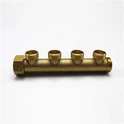
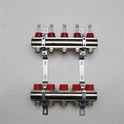
As a trusted supplier of Flowmeter Manifolds, I understand the critical importance of safety procedures during installation. Flowmeter manifolds are essential components in various industrial applications, used to manage the flow of fluids and gases. Incorrect installation can lead to leaks, malfunctions, and even safety hazards. Therefore, it is crucial to follow strict safety procedures to ensure a successful and safe installation.
Pre - installation Safety Checks
Before starting the installation process, a series of safety checks should be conducted. First, it is necessary to review the installation manual provided with the Flowmeter Manifold. This manual contains detailed instructions specific to the model of the manifold, including torque values, recommended tools, and any special requirements.


Inspect the flowmeter manifold and all its components for any visible damage. Check for cracks, dents, or other signs of wear and tear on the manifold body, valves, and fittings. Any damaged parts should be replaced immediately to prevent future problems.
Verify that the installation site is suitable. The area should be well - ventilated, especially if the fluid or gas being measured is hazardous. Ensure that there is enough space around the manifold for easy access during installation, operation, and maintenance. The installation surface should be flat and stable to prevent stress on the manifold.
Personal Protective Equipment (PPE)
Wearing appropriate personal protective equipment is a must during the installation of flowmeter manifolds. Safety glasses should be worn to protect the eyes from flying debris, such as metal shavings or small particles that may be dislodged during the installation process.
Gloves are also essential. Depending on the nature of the fluid or gas involved, chemical - resistant gloves may be required. For general installation work, heavy - duty work gloves can protect the hands from cuts, abrasions, and burns.
In some cases, a safety helmet may be necessary, especially if the installation is taking place in an area where there is a risk of falling objects. If the installation involves working at heights, a safety harness should be used in accordance with safety regulations.
Handling and Transport
Proper handling and transport of the flowmeter manifold are crucial to prevent damage. When moving the manifold, use appropriate lifting equipment if it is heavy. Avoid dropping or bumping the manifold, as this can cause internal damage that may not be immediately visible.
If the manifold is being transported in a vehicle, secure it properly to prevent it from shifting during transit. Use padding or shock - absorbing materials to protect the manifold from vibrations and impacts.
Installation Steps and Safety
1. Mounting the Manifold
When mounting the flowmeter manifold, ensure that all mounting holes are aligned correctly. Use the appropriate bolts and nuts specified in the installation manual. Over - tightening or under - tightening the bolts can lead to leaks or structural damage. Use a torque wrench to achieve the correct torque values.
During the mounting process, be careful not to damage any gaskets or seals. Gaskets are used to create a tight seal between the manifold and other components, and any damage can result in leaks.
2. Connecting Pipes and Fittings
Before connecting pipes and fittings to the manifold, clean the ends of the pipes and fittings to remove any dirt, debris, or rust. This will ensure a proper seal. Use appropriate thread sealant or tape on threaded connections, following the manufacturer's recommendations.
When tightening the connections, do not use excessive force. Over - tightening can damage the threads and cause leaks. If a connection is difficult to tighten, check for misalignment or obstructions.
3. Installing Valves
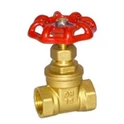
Valves are an important part of the flowmeter manifold system. When installing valves, ensure that they are installed in the correct orientation. Some valves are designed to work in only one direction, and incorrect installation can lead to improper flow control.
Test the valves to ensure that they open and close smoothly. Lubricate the valve stems if necessary, following the manufacturer's instructions.
4. Connecting Electrical Components (if applicable)
If the flowmeter manifold has electrical components, such as sensors or switches, follow all electrical safety procedures. Ensure that the power is turned off before making any electrical connections. Use insulated tools to prevent electrical shock.
Check the wiring for any damage or loose connections. Make sure that the electrical connections are properly grounded to prevent electrical hazards.
Testing and Commissioning
After the installation is complete, a series of tests should be conducted to ensure the safety and functionality of the flowmeter manifold. Pressure testing is one of the most important tests. Slowly increase the pressure in the system to the operating pressure and check for any leaks. Use a leak detection solution to identify any leaks at connections or seals.
Flow testing should also be performed to ensure that the flowmeter is measuring accurately. Compare the readings of the flowmeter with a known standard or reference.
During the testing and commissioning process, all personnel should stay clear of any potential hazard areas. If any problems are detected, shut down the system immediately and address the issues before proceeding.
Maintenance and Safety
Regular maintenance is essential to keep the flowmeter manifold in good working condition. Follow the manufacturer's recommended maintenance schedule, which may include tasks such as cleaning, lubricating, and replacing worn parts.
During maintenance, always follow the same safety procedures as during installation. Wear appropriate PPE, turn off the power (if applicable), and relieve pressure in the system before performing any work.
Additional Components and Safety
In addition to the basic flowmeter manifold, there are other related components such as Manifold Tail Piece and Switch Valve Manifold. When installing these components, similar safety procedures should be followed.
For the manifold tail piece, ensure that it is properly connected to the manifold and that the seals are intact. The switch valve manifold should be installed and tested to ensure that it functions correctly, providing reliable flow control.
Conclusion
The installation of a flowmeter manifold is a complex process that requires strict adherence to safety procedures. By following the steps outlined above, we can minimize the risk of accidents, ensure the proper functioning of the manifold, and extend its service life.
If you are in need of high - quality flowmeter manifolds, manifold tail pieces, or switch valve manifolds, please feel free to contact us for procurement and further discussions. Our team of experts is ready to assist you with your specific requirements.
References
- Industrial Flowmeter Installation Guidelines, Various Industry Standards
- Manufacturer's Installation and Maintenance Manuals for Flowmeter Manifolds