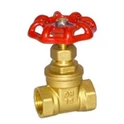
Hey there! As a supplier of Filter Ball Valves, I often get asked about the difference between a filter ball valve and a strainer ball valve. So, I thought I'd write this blog to clear up any confusion and help you understand which one might be the best fit for your needs.
What's a Filter Ball Valve?
Let's start with the filter ball valve. A Filter Ball Valve is a pretty cool piece of equipment. It combines the functionality of a ball valve with a built - in filter. The ball valve part is like a regular ball valve. It has a spherical disc (the ball) with a hole in the middle. When the ball is turned so that the hole aligns with the flow path, fluid can pass through. When it's turned 90 degrees, the flow is stopped.
The filter part is what sets it apart. It's usually made of a fine mesh or a porous material. Its job is to trap solid particles in the fluid as it flows through the valve. This is super useful in many applications. For example, in a water supply system, it can catch sand, rust, and other debris, preventing them from clogging pipes or damaging other equipment downstream.
One of the great things about filter ball valves is their versatility. They come in different sizes and materials. You can get them in brass, stainless steel, or other metals, depending on the type of fluid you're dealing with and the environmental conditions. And they're relatively easy to install and maintain. You can simply remove the filter element for cleaning or replacement when it gets clogged.
What's a Strainer Ball Valve?
Now, let's talk about the strainer ball valve. At first glance, it might seem similar to a filter ball valve, but there are some key differences. A strainer ball valve also has a ball valve mechanism for controlling the flow of fluid. However, the strainer part is a bit different from the filter in a filter ball valve.


The strainer in a strainer ball valve is typically a coarser device. It's designed to catch larger particles. For instance, in an industrial pipeline, it can stop chunks of plastic, wood chips, or large metal shavings. The mesh or perforation size of the strainer is bigger compared to the filter in a filter ball valve.
Strainer ball valves are often used in applications where you need to protect equipment from large, potentially damaging objects. In a pump system, for example, a strainer ball valve can prevent large debris from entering the pump and causing mechanical failure. They're also commonly used in systems where the fluid contains a lot of large - sized solid matter, like in some wastewater treatment plants.
Key Differences
Filtration Precision
The most obvious difference is the filtration precision. As I mentioned earlier, a filter ball valve can trap much smaller particles. It's like a fine - toothed comb that catches the tiniest bits of dirt and debris. On the other hand, a strainer ball valve is more like a big - hole net that only stops the larger objects.
Application Scenarios
The application scenarios also vary. Filter ball valves are ideal for systems where the fluid needs to be very clean. Think of pharmaceutical manufacturing, food and beverage production, or high - precision machinery. In these industries, even the smallest particle can cause problems, so a high - precision filter ball valve is necessary.
Strainer ball valves, on the other hand, are better suited for industrial applications where the fluid has a lot of large - sized contaminants. Mining operations, construction sites, and some chemical processing plants often use strainer ball valves to protect their equipment from big chunks of debris.
Maintenance Requirements
Maintenance is another area where they differ. Filter ball valves usually require more frequent maintenance because the fine filter can get clogged quickly. You might need to clean or replace the filter element every few weeks or months, depending on the amount of debris in the fluid.
Strainer ball valves, with their coarser strainers, don't clog as easily. So, the maintenance intervals can be longer. However, when they do need maintenance, it can be a bit more involved because the strainer might be larger and heavier, depending on the design.
Which One Should You Choose?
So, how do you decide whether to go for a filter ball valve or a strainer ball valve? Well, it all comes down to your specific needs.
If you need to remove very small particles from the fluid and ensure a high level of cleanliness, a Filter Ball Valve is the way to go. It's the right choice for applications where precision and purity are crucial.
On the other hand, if you're dealing with large - sized debris and just need to protect your equipment from major damage, a strainer ball valve will do the job. It's a more robust solution for industrial settings with a lot of rough - looking contaminants.
Our Product Offerings
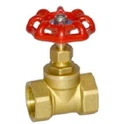
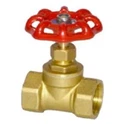
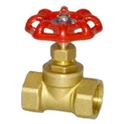
As a supplier of Filter Ball Valves, we've got a great range of products. We offer high - quality Ball Valve with Cap 1/2" that are not only durable but also easy to use. These valves are made with top - notch materials and are designed to meet the highest standards.
We also have Ball Valve for Temperature Measurement. These are specially designed for applications where you need to monitor the temperature of the fluid while controlling its flow. They're a great addition to any system that requires accurate temperature management.
Contact Us for Purchase
If you're interested in our filter ball valves or have any questions about the difference between filter ball valves and strainer ball valves, we'd love to hear from you. Whether you're a small business owner looking for a solution for your water system or an industrial engineer in charge of a large - scale pipeline, we can help you find the right valve for your needs. Just reach out to us, and we'll start a great discussion about how we can meet your requirements and make your system run smoothly.
References
- "Valve Handbook" - A comprehensive guide on different types of valves and their applications.
- Industry standards and guidelines for valve manufacturing and usage.