Hey there! As a supplier of Ball Union Valves, I've seen firsthand how crucial it is to ensure their long - term reliability. These valves are used in a wide range of applications, from industrial settings to residential plumbing. So, let's dive into some key strategies to keep them working smoothly for years to come.
Quality Materials Matter
First off, the materials used in manufacturing Ball Union Valves play a huge role in their reliability. We always opt for high - grade materials because they can withstand the test of time and various environmental conditions.
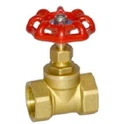
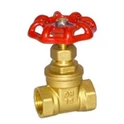
For instance, brass is a popular choice for Ball Union Valves. It's corrosion - resistant, which means it won't rust easily even when exposed to moisture. This is super important, especially in plumbing systems where water is constantly flowing. Our Ball Union Valves are made from top - notch brass, ensuring they can handle both hot and cold water without deteriorating quickly.
Another great option is nickel - plated brass. Our PPR Nickel Plated Ball Valve combines the durability of brass with the added protection of a nickel coating. The nickel plating gives an extra layer of defense against corrosion and wear, making the valve more reliable over the long run. And if you need something even sturdier, our Forged Brass Ball Valve is a fantastic choice. The forging process makes the valve stronger and more resistant to high pressures.
Precise Manufacturing Processes
Making a reliable Ball Union Valve isn't just about using good materials; it's also about how those materials are put together. We follow strict manufacturing processes to ensure every valve meets high - quality standards.
During the machining process, we use advanced equipment to cut and shape the components with extreme precision. This ensures that all the parts fit together perfectly, reducing the risk of leaks. For example, the ball inside the valve needs to be machined to a very tight tolerance so that it can rotate smoothly and create a proper seal when the valve is closed.
After machining, we perform rigorous quality control checks. We test each valve for pressure, leakage, and smooth operation. Any valve that doesn't meet our standards is rejected. This way, we can be sure that only the best - quality valves make it to our customers.
Proper Installation
Even the highest - quality Ball Union Valves won't last long if they're not installed correctly. That's why we always provide detailed installation instructions to our customers.
Before installation, it's important to clean the pipes thoroughly to remove any debris or dirt. This helps prevent damage to the valve and ensures a good seal. When connecting the valve to the pipes, make sure to use the right tools and follow the recommended torque settings. Over - tightening can damage the valve, while under - tightening can lead to leaks.
It's also a good idea to use thread sealant on the pipe threads. This helps create a watertight seal and prevents leaks. And if you're installing the valve in a high - vibration area, consider using vibration - dampening mounts to reduce stress on the valve.
Regular Maintenance
Just like a car needs regular tune - ups, Ball Union Valves need regular maintenance to stay reliable. Here are some simple maintenance tips:
- Inspect for Leaks: Periodically check the valve for any signs of leaks. Look for water droplets or damp spots around the valve. If you notice a leak, it's important to address it right away. Sometimes, a simple tightening of the nuts or bolts can fix the problem. But if the leak persists, it might be a sign of a more serious issue, and you may need to replace the valve.
- Lubricate Moving Parts: The ball and stem inside the valve are moving parts that need lubrication. Use a high - quality lubricant recommended for valves to keep them rotating smoothly. This reduces friction and wear, extending the life of the valve.
- Clean the Valve: Over time, dirt and debris can accumulate inside the valve, affecting its performance. You can clean the valve by removing it from the pipeline and soaking it in a mild cleaning solution. Then, use a soft brush to remove any dirt or scale. Rinse the valve thoroughly and let it dry before reinstalling it.
Monitoring and Upgrades
In addition to regular maintenance, it's a good idea to monitor the performance of your Ball Union Valves. You can do this by keeping an eye on the pressure and flow rate in the system. If you notice any sudden changes, it could be a sign that the valve is starting to fail.


Also, technology is always evolving, and new and improved valve designs are constantly being developed. Consider upgrading your valves every few years to take advantage of the latest features and improvements. Newer valves may be more energy - efficient, have better sealing capabilities, or be more resistant to corrosion.
Conclusion
Ensuring the long - term reliability of Ball Union Valves is a combination of using high - quality materials, precise manufacturing, proper installation, regular maintenance, and monitoring. By following these strategies, you can make sure your valves last for many years and provide reliable service.
If you're in the market for high - quality Ball Union Valves or have any questions about valve reliability, don't hesitate to get in touch with us. We're here to help you find the right valves for your needs and ensure they perform at their best. Let's start a conversation about your valve requirements and see how we can work together to keep your systems running smoothly.
References
- Valve Handbook: A Guide to Valve Selection, Installation, and Maintenance
- Plumbing Engineering: Principles and Practice