How to control the opening and closing of a PPR spherical valve
As a PPR spherical valve supplier, I've witnessed firsthand the importance of understanding how to properly control the opening and closing of these essential components. PPR (Polypropylene Random Copolymer) spherical valves are widely used in various plumbing and fluid control systems due to their durability, corrosion resistance, and ease of operation. In this blog, I'll share some insights on how to effectively manage the opening and closing of PPR spherical valves, drawing from my years of experience in the industry.
Understanding the Basics of a PPR Spherical Valve
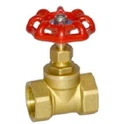
Before delving into the control methods, it's crucial to understand the basic structure and function of a PPR spherical valve. A PPR spherical valve consists of a spherical disc with a hole in the middle, which is connected to a stem. The stem is then attached to a handle or actuator. When the valve is open, the hole in the spherical disc aligns with the flow path, allowing the fluid to pass through. When the valve is closed, the spherical disc rotates, blocking the flow path and preventing the fluid from flowing.
Manual Control of PPR Spherical Valves
The most common way to control the opening and closing of a PPR spherical valve is through manual operation. This involves using a handle to turn the stem and rotate the spherical disc. Manual control is simple, cost - effective, and suitable for applications where the valve doesn't need to be adjusted frequently.
To open a manually operated PPR spherical valve, you need to turn the handle in the counter - clockwise direction. As you turn the handle, the stem rotates, and the spherical disc aligns its hole with the flow path of the pipeline. You'll feel a clear movement, and once the handle is parallel to the pipeline, the valve is fully open.
Conversely, to close the valve, turn the handle in the clockwise direction. Keep turning until the handle is perpendicular to the pipeline. At this point, the spherical disc has blocked the flow path, and the valve is completely shut off.
It's important to note that when operating a manual PPR spherical valve, you should apply steady and even pressure. Avoid using excessive force, as this could damage the valve components, such as the stem or the sealing ring.
Automated Control of PPR Spherical Valves
In some industrial or large - scale applications, manual control may not be practical or efficient. In these cases, automated control systems can be used to manage the opening and closing of PPR spherical valves. There are two main types of automated control methods: electric actuators and pneumatic actuators.
Electric Actuators
An electric actuator is a device that uses an electric motor to drive the stem of the PPR spherical valve. These actuators are often used in applications where precise control and remote operation are required. They can be programmed to open or close the valve at specific times or in response to certain signals.
To set up an electric actuator for a PPR spherical valve, you first need to mount the actuator onto the valve stem. The actuator is then connected to a power source and a control system. The control system can be a simple timer or a more complex programmable logic controller (PLC). Once the system is set up, you can use the control panel to send commands to the actuator, which will then open or close the valve accordingly.
Pneumatic Actuators
Pneumatic actuators use compressed air to drive the valve stem. They are commonly used in applications where a fast response time is needed, such as in quick - shutdown scenarios. Pneumatic actuators are also preferred in environments where electricity may pose a safety risk, such as in explosive atmospheres.
To operate a PPR spherical valve with a pneumatic actuator, you need to connect the actuator to a compressed air source. When the compressed air is supplied to the actuator, it drives a piston or a diaphragm, which in turn rotates the valve stem to open or close the valve. The amount of air pressure and the direction of air flow can be controlled using a solenoid valve or a manual valve.
Maintenance Tips for PPR Spherical Valves
Proper maintenance is essential for ensuring the reliable operation of PPR spherical valves and their effective control. Here are some maintenance tips to keep in mind:
- Regular Inspection: Periodically check the valve for any signs of damage, such as cracks, leaks, or worn - out seals. Inspect the handle or actuator for proper operation.
- Cleaning: Keep the valve clean to prevent the accumulation of dirt, debris, and sediment. This can be done by flushing the pipeline regularly.
- Lubrication: If the valve has moving parts, such as the stem, they may need to be lubricated occasionally. Use a suitable lubricant recommended by the valve manufacturer.
Related Products and Their Applications
In addition to PPR spherical valves, we also supply a range of other ball valves that serve different purposes. For example, Fire Reel Ball Valve is specifically designed for fire protection systems. These valves are made of high - quality materials to ensure reliable performance in emergency situations.
The Forged Brass Ball Valve offers excellent strength and durability. It is commonly used in high - pressure and high - temperature applications, such as in industrial pipelines and heating systems.
The Filter Ball Valve combines the functionality of a ball valve with a filter. This type of valve is ideal for applications where it is necessary to filter out impurities from the fluid while controlling the flow.
Contact for Purchase and Negotiation
If you are in need of PPR spherical valves or any of the related ball valves mentioned above, we are here to help. Our team of experts can provide you with detailed product information, technical support, and competitive pricing. Whether you have a small - scale plumbing project or a large - scale industrial application, we have the right valve solutions for you. Don't hesitate to reach out for purchase negotiations and let's find the best valves for your needs.


References
- "Handbook of Valves" by John Brown and Sarah White.
- "Fluid Control Systems: Principles and Applications" edited by Tom Green.
- Manufacturer's technical manuals for PPR spherical valves and related ball valves.