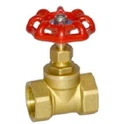
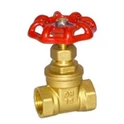
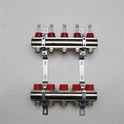
A brass ball valve is a crucial component in various industries and plumbing systems, known for its durability, reliability, and efficient flow control capabilities. As a leading supplier of brass ball valves, I am excited to delve into the details of what makes these valves so essential and why they are a popular choice for many applications.
Understanding the Basics of a Brass Ball Valve
At its core, a brass ball valve is a type of quarter - turn valve that uses a hollow, perforated, and pivoting ball to control the flow of a fluid through it. When the valve is open, the hole in the ball aligns with the pipe, allowing the fluid to pass through freely. When the valve is closed, the ball is rotated a quarter - turn (90 degrees), so that the solid part of the ball blocks the flow path, effectively stopping the fluid from moving.
Brass, the material used to make these valves, is an alloy of copper and zinc. It offers several advantages that make it an ideal choice for valve manufacturing. Firstly, brass is highly resistant to corrosion, which is crucial when dealing with fluids that may be corrosive in nature, such as water, oil, or certain chemicals. This corrosion resistance ensures a long service life for the valve, reducing the need for frequent replacements.
Secondly, brass is relatively easy to machine, which allows for the production of valves with precise dimensions and smooth surfaces. This precision is essential for proper sealing and efficient operation of the valve. Additionally, brass has good thermal conductivity, which can be beneficial in applications where temperature control is important.
Types of Brass Ball Valves
There are several types of brass ball valves available in the market, each designed to meet specific requirements.
Ball Union Valves
Ball union valves are a type of brass ball valve that features a union connection. This design allows for easy installation and removal of the valve from the pipeline without the need for extensive disassembly. The union connection consists of two halves that can be easily separated, making maintenance and replacement of the valve a straightforward process. You can find more information about our Ball Union Valves.
PPR Spherical Valve
PPR (Polypropylene Random Copolymer) spherical valves are another type of brass ball valve. These valves are often used in PPR piping systems, which are commonly found in residential and commercial plumbing applications. The PPR spherical valve combines the advantages of brass and PPR materials, offering good corrosion resistance and compatibility with PPR pipes. Check out our PPR Spherical Valve for more details.
Forged Brass Ball Valve
Forged brass ball valves are made through a forging process, which involves shaping the brass material under high pressure. This process results in a valve with a stronger and more uniform structure compared to valves made through other manufacturing methods. Forged brass ball valves are typically used in high - pressure and high - temperature applications, where reliability and durability are of utmost importance. Explore our Forged Brass Ball Valve range.
Applications of Brass Ball Valves
Brass ball valves are used in a wide range of applications across different industries.
Plumbing Systems
In residential and commercial plumbing, brass ball valves are commonly used to control the flow of water. They can be found in faucets, toilets, water heaters, and other plumbing fixtures. Their ability to provide a tight seal and easy on - off operation makes them an ideal choice for these applications.
Industrial Processes
In industrial settings, brass ball valves are used in various processes, such as chemical processing, oil and gas production, and food and beverage manufacturing. They can handle different types of fluids, including corrosive chemicals, oil, and steam. The corrosion resistance and durability of brass make these valves suitable for use in harsh industrial environments.


HVAC Systems
Heating, ventilation, and air conditioning (HVAC) systems also rely on brass ball valves for flow control. These valves are used to regulate the flow of refrigerant, water, and other fluids in the HVAC system, ensuring efficient operation and temperature control.
Advantages of Choosing Our Brass Ball Valves
As a supplier of brass ball valves, we take pride in offering high - quality products that meet the needs of our customers.
Quality Assurance
We have a strict quality control system in place to ensure that every brass ball valve we produce meets the highest standards. Our valves are tested for pressure, leakage, and durability before they are shipped to our customers. This ensures that you receive a reliable and long - lasting product.
Customization Options
We understand that different customers may have different requirements. That's why we offer customization options for our brass ball valves. Whether you need a specific size, connection type, or material, we can work with you to develop a valve that meets your exact specifications.
Competitive Pricing
We strive to offer our customers competitive pricing without compromising on quality. Our efficient manufacturing processes and strong supply chain management allow us to keep our costs down, which we pass on to our customers in the form of lower prices.
Contact Us for Your Brass Ball Valve Needs
If you are in the market for high - quality brass ball valves, we invite you to contact us. Our team of experts is ready to assist you in selecting the right valve for your application. We can provide you with detailed product information, technical support, and pricing quotes. Whether you are a small - scale contractor or a large - scale industrial manufacturer, we have the products and services to meet your needs.
References
- "Valve Handbook" by ISA - The Instrumentation, Systems, and Automation Society
- "Handbook of Valves" by CRC Press