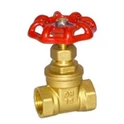
Can gas pipe fittings be reused? This is a question that often arises among those involved in gas system installations, maintenance, and renovations. As a supplier of Gas Pipe Fittings, I've encountered this query numerous times from customers, contractors, and DIY enthusiasts alike. In this blog, I'll delve into the factors that determine whether gas pipe fittings can be reused and provide some practical insights based on industry standards and best practices.
Understanding Gas Pipe Fittings
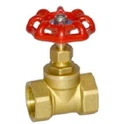
Before we discuss reusability, it's essential to understand what gas pipe fittings are and their role in a gas system. Gas pipe fittings are components used to connect, control, and direct the flow of gas within a piping network. They come in various types, such as elbows, tees, couplings, and valves, and are made from different materials, including steel, brass, and copper. The most common type of gas pipe fittings I supply are Galvanized Gas Iron Pipe Fittings, which are known for their durability and resistance to corrosion.
Factors Affecting Reusability
Several factors determine whether gas pipe fittings can be reused. These include the type of fitting, its condition, the nature of the gas system, and local building codes and regulations.
Type of Fitting
Not all gas pipe fittings are suitable for reuse. Some fittings, such as compression fittings, are designed for single - use and are not intended to be disassembled and reassembled. Compression fittings rely on a tight seal created by compressing a ferrule onto the pipe, and once this seal is broken, the integrity of the fitting may be compromised. On the other hand, threaded fittings, like Galvanized Gas Iron Pipe Fittings, can often be reused if they are in good condition.
Condition of the Fitting
The condition of the fitting is a crucial factor in determining its reusability. Fittings that are damaged, corroded, or worn out should not be reused. Corrosion can weaken the fitting and cause leaks, while damage to the threads can prevent a proper seal from being formed. Before reusing a fitting, it should be thoroughly inspected for signs of damage, such as cracks, dents, or excessive wear. If any defects are found, the fitting should be replaced.


Nature of the Gas System
The nature of the gas system also plays a role in determining whether fittings can be reused. In a low - pressure gas system, such as a residential natural gas system, the requirements for fitting integrity may be less stringent than in a high - pressure commercial or industrial gas system. However, even in low - pressure systems, reusing fittings should be done with caution to ensure the safety of the system.
Local Building Codes and Regulations
Local building codes and regulations must always be followed when working with gas systems. Some codes may prohibit the reuse of certain types of gas pipe fittings, while others may require specific testing or inspection procedures before reused fittings can be installed. It's essential to check with your local building department or a qualified gas contractor to ensure compliance with all applicable codes and regulations.
Benefits of Reusing Gas Pipe Fittings
When it is safe and appropriate to do so, reusing gas pipe fittings can offer several benefits.
Cost Savings
Reusing fittings can significantly reduce the cost of a gas system installation or renovation project. Instead of purchasing new fittings, you can use existing ones, which can save you money on materials.
Environmental Sustainability
Reusing fittings is also an environmentally friendly option. By reducing the demand for new materials, you can help conserve natural resources and reduce waste.
Risks of Reusing Gas Pipe Fittings
While there are potential benefits to reusing gas pipe fittings, there are also risks involved.
Leakage
As mentioned earlier, damaged or worn - out fittings can cause leaks in the gas system. Gas leaks are not only a safety hazard but can also lead to increased energy costs and environmental pollution.
Safety Hazards
Gas is a highly flammable substance, and any leaks in the gas system can pose a significant safety risk. Reusing fittings that are not in good condition can increase the likelihood of a gas leak, which can lead to explosions, fires, or asphyxiation.
Best Practices for Reusing Gas Pipe Fittings
If you decide to reuse gas pipe fittings, it's important to follow these best practices to ensure the safety and integrity of the gas system.
Thorough Inspection
Before reusing a fitting, inspect it carefully for signs of damage, corrosion, or wear. Check the threads for any signs of stripping or damage, and make sure the fitting is clean and free of debris.
Cleaning
Clean the fitting thoroughly to remove any dirt, grease, or other contaminants. This can help ensure a proper seal when the fitting is reinstalled.
Testing
After reinstalling the fitting, test the gas system for leaks using a gas leak detector or a soap - and - water solution. Apply the solution to the joints and connections, and look for bubbles, which indicate a leak.
Conclusion
In conclusion, the question of whether gas pipe fittings can be reused is not a straightforward one. While it is possible to reuse some types of fittings under certain conditions, it must be done with caution. The type of fitting, its condition, the nature of the gas system, and local building codes and regulations all play a role in determining reusability. As a Gas Pipe Fittings supplier, I always recommend consulting with a qualified gas contractor or following local building codes when working with gas systems.
If you have any questions about gas pipe fittings, including their reusability, or if you are in the market for high - quality Gas Pipe Connector and other gas pipe fittings, please feel free to reach out. We are here to provide you with the best products and expert advice to ensure the safety and efficiency of your gas system.
References
- National Fire Protection Association (NFPA). NFPA 54: National Fuel Gas Code.
- American Society of Mechanical Engineers (ASME). B31.8: Gas Transmission and Distribution Piping Systems.
- Local building codes and regulations.