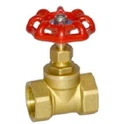
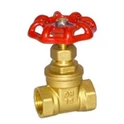
Hey there! As a supplier of brass ball valves, I've seen firsthand how important it is to store these little guys properly. A brass ball valve is a crucial component in many plumbing and industrial systems, and improper storage can lead to all sorts of problems, from corrosion to damage to the valve's internal components. So, in this blog post, I'm gonna share some tips on how to store a brass ball valve the right way.
Why Proper Storage Matters
First off, let's talk about why proper storage is so important. Brass is an alloy made up of copper and zinc, and while it's generally resistant to corrosion, it's not completely immune. When brass is exposed to moisture, oxygen, and certain chemicals, it can start to corrode. This corrosion can not only make the valve look bad but also affect its performance. For example, corrosion can cause the valve to stick, making it difficult to open or close, or it can even lead to leaks.
In addition to corrosion, improper storage can also cause physical damage to the valve. If the valve is stored in a way that it's bumped or knocked around, it can damage the ball, stem, or other internal components. This can also lead to leaks or other performance issues.
Preparing the Valve for Storage
Before you store a brass ball valve, it's important to prepare it properly. Here are some steps you can take:
- Clean the Valve: Use a mild detergent and water to clean the valve thoroughly. This will remove any dirt, debris, or contaminants that could cause corrosion or damage. Make sure to dry the valve completely before storing it.
- Lubricate the Valve: Apply a thin layer of lubricant to the valve's moving parts, such as the ball and stem. This will help prevent corrosion and keep the valve operating smoothly. You can use a silicone-based lubricant or a lubricant specifically designed for brass valves.
- Inspect the Valve: Before storing the valve, inspect it for any signs of damage or wear. Look for cracks, dents, or other visible damage. If you notice any issues, it's best to repair or replace the valve before storing it.
Choosing the Right Storage Location
Once you've prepared the valve for storage, it's time to choose the right storage location. Here are some factors to consider:
- Temperature and Humidity: Brass ball valves should be stored in a cool, dry place. High temperatures and humidity can accelerate corrosion, so it's best to avoid storing the valve in areas that are prone to moisture, such as basements or garages. A temperature range of 50°F to 70°F (10°C to 21°C) and a relative humidity of less than 60% are ideal.
- Protection from Physical Damage: The storage location should be free from any potential sources of physical damage, such as heavy objects or sharp tools. You can store the valve in a box or a cabinet to protect it from bumps and scratches.
- Ventilation: Good ventilation is important to prevent the buildup of moisture and harmful chemicals. Make sure the storage area is well-ventilated to keep the air fresh.
Storing the Valve
Once you've chosen the right storage location, it's time to store the valve. Here are some tips:
- Store the Valve in a Vertical Position: Storing the valve in a vertical position helps prevent any debris or moisture from collecting inside the valve. It also helps keep the valve's internal components in place.
- Use a Protective Cover: If possible, use a protective cover to keep the valve clean and protected. You can use a plastic bag or a specially designed valve cover.
- Label the Valve: Label the valve with its size, type, and any other relevant information. This will make it easier to find the valve when you need it.
Additional Tips
Here are some additional tips to help you store your brass ball valves properly:
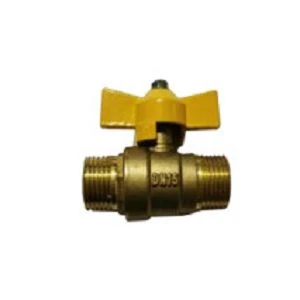

- Avoid Stacking Valves: Stacking valves can cause physical damage to the valves on the bottom. If you need to store multiple valves, make sure to separate them with a layer of padding or a divider.
- Check the Valve Regularly: Even if you've stored the valve properly, it's still a good idea to check it regularly for any signs of corrosion or damage. If you notice any issues, take action immediately to prevent further damage.
- Follow Manufacturer's Recommendations: Different manufacturers may have different recommendations for storing their brass ball valves. Make sure to read the manufacturer's instructions carefully and follow their recommendations.
Conclusion
Storing a brass ball valve properly is essential to ensure its longevity and performance. By following the tips outlined in this blog post, you can help prevent corrosion, physical damage, and other issues that can affect the valve's performance. Remember to prepare the valve for storage, choose the right storage location, and store the valve in a vertical position. If you have any questions or need more information, feel free to contact us. We're here to help you find the right brass ball valve for your needs and ensure that it's stored properly.
References
- "Brass Valve Storage Guidelines." Plumbing Supply Association.
- "How to Store Industrial Valves." Industrial Valve Manufacturer's Handbook.
And don't forget, if you're in the market for high-quality brass ball valves, we've got you covered. Check out our Ball Valve for Temperature Measurement, Butterfly Handle Ball Valve 1", and Aluminum - Plastic Tube Ball Valve. Reach out to us for a purchase negotiation, and let's get the best valves for your projects!