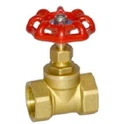
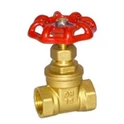
Brass globe valves are essential components in various industries, known for their reliability, durability, and precise flow control capabilities. As a trusted supplier of brass globe valves, I understand the importance of adhering to strict standards to ensure the quality and performance of these valves. In this blog post, I will discuss the key standards for brass globe valves and how they impact the functionality and safety of these products.
Material Standards
The quality of the brass used in globe valves is crucial to their performance and longevity. The most common brass alloys used in valve manufacturing are C36000 (also known as free - cutting brass) and C83600 (red brass). These alloys offer a good balance of strength, corrosion resistance, and machinability.
C36000 brass contains approximately 60 - 63% copper, 35 - 38% zinc, and small amounts of lead (up to 3.5%). The lead content improves the machinability of the brass, allowing for precise manufacturing of valve components. However, in applications where lead exposure is a concern, such as in potable water systems, lead - free brass alloys are used. These alloys typically have a maximum lead content of 0.25% and are certified to meet relevant drinking water standards, such as NSF/ANSI 61.
C83600 red brass has a higher copper content (around 84 - 86%) and lower zinc content compared to C36000. It offers excellent corrosion resistance, especially in marine and other harsh environments. This makes it a popular choice for applications where the valve will be exposed to corrosive fluids or atmospheres.
Design and Construction Standards
The design of a brass globe valve is critical to its performance. A well - designed globe valve should have a smooth flow path to minimize pressure drop and turbulence. The valve body should be designed to withstand the operating pressure and temperature of the system without deformation or leakage.
The seat and disc of the globe valve are also important design elements. The seat should provide a tight seal against the disc to prevent leakage when the valve is closed. The disc should be designed for easy operation and precise control of the flow rate. In addition, the stem of the valve should be properly guided to ensure smooth and accurate movement of the disc.
There are several international standards that govern the design and construction of brass globe valves. For example, the American National Standards Institute (ANSI) and the American Society of Mechanical Engineers (ASME) have developed standards such as ANSI B16.34, which specifies the requirements for valve design, materials, and pressure - temperature ratings. The International Organization for Standardization (ISO) also has relevant standards, such as ISO 5208, which covers the testing and qualification of valves for industrial applications.
Pressure and Temperature Ratings
Brass globe valves are rated for specific pressure and temperature ranges. The pressure rating indicates the maximum pressure that the valve can safely withstand under normal operating conditions. The temperature rating, on the other hand, specifies the maximum and minimum temperatures at which the valve can operate without losing its integrity.
The pressure and temperature ratings of a brass globe valve are determined by factors such as the material of the valve body, the thickness of the walls, and the design of the valve components. For example, a valve made of a stronger brass alloy and with thicker walls will generally have a higher pressure rating.
It is important to select a brass globe valve with the appropriate pressure and temperature ratings for the intended application. Using a valve with a lower pressure or temperature rating than required can lead to valve failure, leakage, or even safety hazards. For more information on specific types of brass globe valves, you can visit our PPR Brass Globe Valve and 200 WOG Globe Valve product pages.
Testing Standards
Before a brass globe valve is released to the market, it must undergo a series of tests to ensure its quality and performance. These tests include hydrostatic testing, pressure testing, and leakage testing.
Hydrostatic testing involves filling the valve with water and applying a specified pressure for a certain period of time to check for any leaks or structural weaknesses. Pressure testing is used to verify that the valve can withstand the rated pressure without failure. Leakage testing is performed to ensure that the valve provides a tight seal when closed.
In addition to these basic tests, some valves may also undergo additional testing, such as fire - safe testing or low - temperature testing, depending on the application requirements. For example, valves used in fire - protection systems must be able to maintain their integrity and functionality in the event of a fire.
End Connection Standards
The end connections of a brass globe valve are important for proper installation and connection to the piping system. Common end connection types include threaded, flanged, and soldered connections.
Threaded connections are widely used for small - to medium - sized valves and are suitable for low - to medium - pressure applications. The threads should conform to relevant standards, such as NPT (National Pipe Tapered) or BSP (British Standard Pipe).
Flanged connections are used for larger valves and higher - pressure applications. The flanges should be designed and manufactured to meet standards such as ANSI B16.5 or ISO 7005.
Soldered connections are commonly used in plumbing applications. The solder joints should be made using a suitable solder alloy and should be able to withstand the operating pressure and temperature of the system.
Quality Assurance and Certification
As a brass globe valve supplier, we are committed to providing high - quality products that meet or exceed industry standards. We have a comprehensive quality assurance system in place to ensure that every valve we produce is of the highest quality.
Our valves are manufactured in accordance with ISO 9001 quality management system standards. This ensures that all aspects of the manufacturing process, from raw material selection to final inspection, are carefully controlled and monitored. In addition, our products are certified to meet various international standards, such as NSF/ANSI 61 for potable water applications and CE for European markets.
Why Choose Our Brass Globe Valves
Our brass globe valves are designed and manufactured to the highest standards, offering reliable performance and long - term durability. We use only the finest quality brass alloys and state - of - the - art manufacturing processes to ensure that our valves meet the most demanding applications.
We offer a wide range of brass globe valves, including PPR Brass Globe Valve, 200 WOG Globe Valve, and United Brass Globe Valve. Our valves are available in different sizes, pressure ratings, and end connection types to meet the diverse needs of our customers.


Contact Us for Your Brass Globe Valve Needs
If you are in the market for high - quality brass globe valves, we would love to hear from you. Whether you are a contractor, engineer, or end - user, we can provide you with the right valve solution for your application. Contact us today to discuss your requirements and start the procurement process. Our team of experts is ready to assist you with product selection, technical support, and any other questions you may have.
References
- ANSI B16.34 - Valves - Flanged, Threaded, and Welding End.
- ISO 5208 - Industrial valves - Pressure testing.
- NSF/ANSI 61 - Drinking Water System Components - Health Effects.
- ANSI B16.5 - Pipe Flanges and Flanged Fittings.
- ISO 7005 - Metallic flanges for general use.
- ISO 9001 - Quality management systems - Requirements.