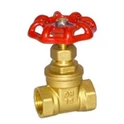
Hey there! As a supplier of brass globe valves, I often get asked if our products can be used in the rubber industry. Well, let's dive right into it and find out.
First off, let's talk a bit about what a brass globe valve is. A brass globe valve is a type of valve that uses a disk (usually in a globe - like shape) to control the flow of fluid through a pipe. It's known for its reliable shut - off capabilities and the ability to regulate flow. Brass, as a material, is great because it's corrosion - resistant, durable, and has good mechanical properties.
Now, let's look at the rubber industry. The rubber industry has a wide range of processes, from rubber mixing and molding to vulcanization. Each of these processes involves the handling of different types of fluids, such as water, steam, and various chemicals.
Fluid Control in Rubber Mixing
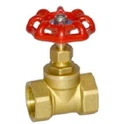
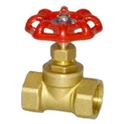
In the rubber mixing process, water is often used for cooling the mixing equipment. A brass globe valve can be a great choice here. The 200 WOG Globe Valve is designed to handle water at a working pressure of up to 200 pounds per square inch (psi). It can precisely control the flow of water to the cooling system, ensuring that the temperature of the mixing equipment stays within the desired range. This is crucial because overheating can affect the quality of the rubber mixture.
The valve's brass construction is resistant to the mild corrosion that might occur due to the water and any dissolved minerals in it. And since it can be easily adjusted, operators can quickly respond to changes in the cooling requirements during the mixing process.
Steam Handling in Vulcanization
Vulcanization is a process where rubber is heated with sulfur to improve its strength and elasticity. Steam is commonly used as a heat source in this process. Brass globe valves can also be used to control the flow of steam. The 200 WOG Globe Valve can handle steam at appropriate pressures, providing reliable shut - off and flow regulation.
The valve's design allows for a tight seal, preventing steam leaks. This is important not only for safety reasons but also for energy efficiency. A leaky valve can waste a significant amount of steam, increasing operating costs. The brass material can withstand the high temperatures associated with steam, as long as they are within the valve's rated temperature limits.
Chemical Resistance in Rubber Processing
In some rubber processing steps, chemicals are used for various purposes, such as softening the rubber or adding specific properties. While brass is generally resistant to many common chemicals, it's important to consider the specific chemicals used in the rubber industry.
For less aggressive chemicals, a brass globe valve can work just fine. However, for highly corrosive chemicals, additional protective coatings or alternative valve materials might be necessary. But in many cases, the standard brass globe valve can handle the chemical environment in the rubber industry, especially if the exposure is limited or the chemicals are not extremely reactive.
Ease of Installation and Maintenance
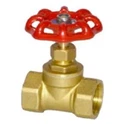
One of the great things about brass globe valves is their ease of installation. They come in standard sizes and can be easily connected to existing piping systems in a rubber manufacturing plant. The Round Handwheel Brass Globe Valve 1/2" is a popular choice for smaller - scale applications. Its round handwheel makes it easy to operate, even for workers wearing gloves.
Maintenance is also relatively straightforward. The valve components can be easily accessed and replaced if needed. This means less downtime for the rubber production line, which is crucial for maintaining high productivity.


Cost - Effectiveness
From a cost perspective, brass globe valves are a great option for the rubber industry. They are more affordable compared to some other valve materials, such as stainless steel or exotic alloys. And considering their durability and performance, they offer a good return on investment. For small and medium - sized rubber manufacturers, cost - effectiveness is often a key factor in choosing equipment, and brass globe valves fit the bill perfectly.
Potential Challenges
Of course, there are some potential challenges when using brass globe valves in the rubber industry. As mentioned earlier, extremely corrosive chemicals can be an issue. Also, in high - pressure applications, there is a limit to how much pressure a brass valve can handle. If the pressure requirements exceed the valve's rating, it could lead to valve failure.
But these challenges can be easily managed. By carefully selecting the right valve for the specific application and ensuring proper installation and maintenance, the risks can be minimized.
Conclusion
So, can a brass globe valve be used in the rubber industry? Absolutely! Whether it's for controlling water in the mixing process, steam in vulcanization, or other fluids, brass globe valves offer reliable performance, ease of use, and cost - effectiveness.
If you're in the rubber industry and looking for a reliable valve solution, I'd love to talk to you. We have a wide range of brass globe valves to meet your specific needs. Whether you need a valve for a small - scale operation or a large - scale manufacturing plant, we've got you covered. Don't hesitate to reach out for a consultation and let's work together to find the perfect valve for your rubber production processes.
References
- Valve Handbook: A Guide to Valve Selection, Installation, and Maintenance.
- Rubber Processing Technology: Principles and Applications.