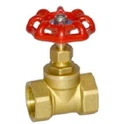
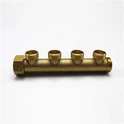
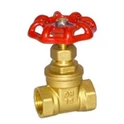
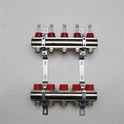
Gas pipe fittings are crucial components in any gas distribution system. As a supplier of high - quality gas pipe fittings, I understand the importance of proper maintenance to ensure the safety, efficiency, and longevity of these fittings. In this blog, I will share some essential maintenance tips for gas pipe fittings.
Regular Visual Inspections
One of the simplest yet most effective maintenance practices is conducting regular visual inspections of gas pipe fittings. Check for any signs of corrosion, rust, or physical damage. Corrosion can weaken the structure of the fittings and lead to leaks. For example, Galvanized Gas Iron Pipe Fittings are generally more resistant to corrosion due to the galvanization process, but they are not completely immune. Inspect the surface of these fittings for any white or orange powdery substances, which are often signs of corrosion.

Look for cracks, dents, or any deformities in the fittings. Even small cracks can develop into significant leaks over time, posing a serious safety hazard. Pay special attention to the joints between the fittings, as these are the areas most prone to leaks. You can use a flashlight to get a better view of hard - to - reach areas. If you notice any signs of damage during your inspection, it is important to replace the fitting immediately.
Cleaning and Debris Removal
Gas pipe fittings can accumulate dirt, dust, and debris over time, which can affect their performance. Regular cleaning is essential to keep the fittings in good condition. Use a soft brush or a cloth to gently clean the surface of the fittings. For stubborn dirt or grime, you can use a mild detergent and water solution. However, make sure to dry the fittings thoroughly after cleaning to prevent corrosion.
Remove any debris that may have accumulated around the fittings, such as leaves, twigs, or dirt. Debris can block the flow of gas and cause pressure imbalances in the system. It can also trap moisture, which can accelerate the corrosion process. Keep the area around the gas pipe fittings clean and free of any obstructions.
Pressure Testing
Periodic pressure testing is an important maintenance step for gas pipe fittings. Pressure testing helps to detect any leaks in the system and ensures that the fittings can withstand the required operating pressure. You can use a pressure gauge to test the pressure in the gas pipe system. Follow the manufacturer's instructions for pressure testing and make sure to use the appropriate equipment.
If the pressure in the system drops unexpectedly during the test, it may indicate a leak. In such cases, carefully inspect all the fittings and joints to locate the source of the leak. Once the leak is found, repair or replace the faulty fitting. It is recommended to have pressure testing performed by a qualified professional at least once a year.
Lubrication
Some gas pipe fittings, such as valves and connectors, may require lubrication to ensure smooth operation. Use a lubricant specifically designed for gas pipe fittings. Apply the lubricant to the moving parts of the fittings, such as the valve stems and the threads of the connectors. This will reduce friction and prevent the parts from sticking or seizing up.
However, be careful not to over - lubricate the fittings, as excess lubricant can attract dirt and debris, which can cause problems in the long run. Follow the manufacturer's recommendations for the type and amount of lubricant to use. For example, when dealing with a Gas Pipe Connector, proper lubrication can help to ensure a tight and secure connection.
Temperature and Environmental Considerations
Gas pipe fittings are exposed to various environmental conditions, and temperature can have a significant impact on their performance. Extreme temperatures can cause the fittings to expand or contract, which can lead to leaks or damage. In cold weather, for example, the metal in the fittings can become brittle and more prone to cracking.

If you live in an area with extreme temperatures, consider insulating the gas pipe fittings to protect them from temperature fluctuations. Insulation can also help to improve the energy efficiency of the gas system. Additionally, protect the fittings from exposure to harsh chemicals, saltwater, or other corrosive substances. If the fittings are installed outdoors, make sure they are properly protected from the elements.
Tightening and Securing
Over time, the connections between gas pipe fittings may loosen due to vibrations or normal wear and tear. Regularly check the tightness of the fittings and use a wrench to tighten any loose connections. However, be careful not to overtighten the fittings, as this can damage the threads or cause the fitting to crack.
Make sure that all the fittings are properly secured in place. Use brackets or supports to prevent the pipes from moving or shifting. This is especially important in areas where there is a lot of movement or vibration, such as near machinery or in a building with a lot of foot traffic.

Record Keeping
Maintaining a record of all maintenance activities is a good practice. Keep track of when visual inspections were conducted, when pressure testing was done, and when any repairs or replacements were made. This record can help you to identify patterns of wear and tear and plan for future maintenance.
It can also be useful in case of an emergency or if you need to provide maintenance history to a regulatory agency or an insurance company. You can use a simple spreadsheet or a dedicated maintenance management software to keep track of all the maintenance information.
Training and Education
If you are responsible for the maintenance of gas pipe fittings, it is important to have the necessary training and education. Gas systems can be dangerous, and improper maintenance can lead to serious accidents. Make sure that anyone who works on the gas pipe fittings is trained in the proper maintenance procedures and safety protocols.
You can attend training courses offered by industry associations or manufacturers. These courses can provide you with in - depth knowledge of gas pipe fitting maintenance, as well as hands - on experience. Additionally, stay updated on the latest industry standards and regulations regarding gas pipe fitting maintenance.
Contact for Purchase and Consultation
As a reliable supplier of gas pipe fittings, including Galvanized Gas Iron Pipe Fittings and Gas Pipe Connectors, we are committed to providing high - quality products and excellent customer service. If you are in need of gas pipe fittings or have any questions about their maintenance, please feel free to contact us for purchase and consultation. We have a team of experts who can assist you in choosing the right fittings for your specific needs and provide you with professional advice on maintenance.
References
- National Fire Protection Association (NFPA). NFPA 54: National Fuel Gas Code.
- American Society of Mechanical Engineers (ASME). B31.8: Gas Transmission and Distribution Piping Systems.
- Gas Technology Institute. Handbook of Gas Pipe Fittings and Installation.