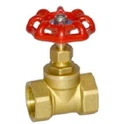
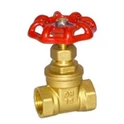
When it comes to brass valve bodies, one crucial aspect that often gets overlooked is the valve seat material. As a seasoned supplier of Brass Valve Bodies, I've witnessed firsthand the impact that the right valve seat material can have on the performance and longevity of a valve. In this blog post, I'll delve into the various valve seat materials suitable for brass valve bodies, exploring their properties, advantages, and applications.
Why Valve Seat Material Matters
The valve seat is a critical component of any valve, as it provides a sealing surface against which the valve disc or plug can rest to control the flow of fluid. The choice of valve seat material can significantly affect the valve's performance, including its sealing ability, resistance to wear and corrosion, and compatibility with different fluids. In a brass valve body, the valve seat material must be carefully selected to ensure optimal performance and durability.
Common Valve Seat Materials for Brass Valve Bodies
1. Brass
Brass is a popular choice for valve seat materials due to its excellent machinability, corrosion resistance, and compatibility with brass valve bodies. Brass seats are typically made from alloys such as C36000 (free-cutting brass) or C37700 (leaded manganese bronze), which offer good strength and wear resistance. Brass seats are suitable for a wide range of applications, including water, air, and gas systems, where moderate pressure and temperature conditions are present.
One of the main advantages of brass seats is their ability to form a tight seal with the valve disc or plug, even under low-pressure conditions. This makes them ideal for applications where leakage prevention is critical. Additionally, brass seats are relatively inexpensive compared to other valve seat materials, making them a cost-effective option for many applications.
However, brass seats may not be suitable for applications where high temperatures, abrasive fluids, or corrosive chemicals are present. In these cases, other valve seat materials may be required to ensure long-term performance and reliability.
2. Stainless Steel
Stainless steel is another commonly used valve seat material for brass valve bodies, especially in applications where corrosion resistance is a primary concern. Stainless steel seats are typically made from alloys such as 304 or 316, which offer excellent resistance to a wide range of corrosive environments, including acids, alkalis, and saltwater.
Stainless steel seats are also known for their high strength and wear resistance, making them suitable for applications where the valve is subjected to high pressures or abrasive fluids. Additionally, stainless steel seats can withstand higher temperatures than brass seats, making them ideal for applications where elevated temperatures are present.
One of the main disadvantages of stainless steel seats is their relatively high cost compared to brass seats. Additionally, stainless steel seats may require special machining processes to ensure a proper fit and seal with the valve disc or plug.
3. PTFE (Polytetrafluoroethylene)
PTFE, also known as Teflon, is a synthetic fluoropolymer that is widely used as a valve seat material due to its excellent chemical resistance, low friction coefficient, and non-stick properties. PTFE seats are typically used in applications where the valve is exposed to aggressive chemicals, high temperatures, or where a tight seal is required.
One of the main advantages of PTFE seats is their ability to provide a tight seal even under low-pressure conditions. This makes them ideal for applications where leakage prevention is critical. Additionally, PTFE seats have a low friction coefficient, which reduces wear and tear on the valve disc or plug, extending the valve's lifespan.
However, PTFE seats may not be suitable for applications where high pressures or abrasive fluids are present. In these cases, other valve seat materials may be required to ensure long-term performance and reliability.
4. Ceramic
Ceramic is a relatively new valve seat material that is gaining popularity in the valve industry due to its excellent wear resistance, high hardness, and chemical inertness. Ceramic seats are typically made from materials such as alumina or zirconia, which offer superior performance compared to traditional valve seat materials.

Ceramic seats are ideal for applications where the valve is subjected to high pressures, abrasive fluids, or high temperatures. They are also resistant to corrosion and chemical attack, making them suitable for use in harsh environments. Additionally, ceramic seats have a low friction coefficient, which reduces wear and tear on the valve disc or plug, extending the valve's lifespan.
One of the main disadvantages of ceramic seats is their relatively high cost compared to other valve seat materials. Additionally, ceramic seats may be brittle and prone to cracking if not properly installed or maintained.
Choosing the Right Valve Seat Material
When choosing a valve seat material for a brass valve body, several factors must be considered, including the application requirements, the fluid being controlled, the pressure and temperature conditions, and the budget. Here are some general guidelines to help you choose the right valve seat material:

- Application Requirements: Consider the specific requirements of your application, such as the type of fluid being controlled, the pressure and temperature conditions, and the required flow rate. This will help you determine the most suitable valve seat material for your needs.
- Fluid Compatibility: Ensure that the valve seat material is compatible with the fluid being controlled. Some fluids may be corrosive or abrasive, which can damage the valve seat over time. Choose a valve seat material that is resistant to the specific fluid or chemicals being used.
- Pressure and Temperature Conditions: Consider the pressure and temperature conditions of your application. Some valve seat materials may not be suitable for high-pressure or high-temperature applications. Choose a valve seat material that can withstand the specific pressure and temperature conditions of your application.
- Budget: Consider your budget when choosing a valve seat material. Some valve seat materials may be more expensive than others, so it's important to choose a material that meets your requirements without breaking the bank.
Conclusion
In conclusion, the choice of valve seat material is a critical decision when it comes to the performance and longevity of a brass valve body. By understanding the properties, advantages, and applications of different valve seat materials, you can make an informed decision and choose the right material for your specific needs.
As a supplier of Brass Valve Bodies, I offer a wide range of valve seat materials to meet the diverse needs of my customers. Whether you need a brass seat for a standard application or a ceramic seat for a high-performance application, I can provide you with the right solution.
If you're interested in learning more about our Brass Valve Bodies or have any questions about valve seat materials, please don't hesitate to [contact us for procurement discussions]. We'd be happy to help you find the perfect valve solution for your needs.
References
-
ASM Handbook, Volume 1: Properties and Selection: Irons, Steels, and High-Performance Alloys
-
Valve Handbook, 4th Edition by Cameron Engineers
-
Materials Science and Engineering: An Introduction by William D. Callister Jr. and David G. Rethwisch