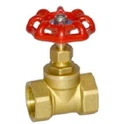
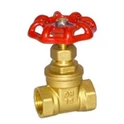
As a PPR spherical valve supplier, I've had the privilege of witnessing the growing demand for these essential components in various industries. PPR spherical valves are crucial in controlling the flow of fluids in plumbing systems, and understanding their standards is vital for both manufacturers and end - users. In this blog, I'll delve into the key standards for PPR spherical valves.
Material Standards
The quality of materials used in PPR spherical valves is the cornerstone of their performance. PPR, or polypropylene random copolymer, is the primary material for the valve body. High - quality PPR should have excellent chemical resistance, ensuring that it can withstand a wide range of fluids, including water, chemicals, and gases without corroding or degrading.
The PPR resin used in valve production should meet international standards such as ISO 15874. This standard specifies the requirements for hot and cold water installations in buildings, including the material properties of PPR pipes and fittings. For PPR spherical valves, the resin should have a high melt flow rate within a specific range, typically around 0.3 - 3.0 g/10 min at 230°C and 2.16 kg load, to ensure proper injection molding during the manufacturing process.
In addition to the PPR body, the ball inside the valve is another critical component. The ball is usually made of stainless steel or brass. Stainless steel balls, such as those made from 304 or 316 grades, offer excellent corrosion resistance and durability. Brass balls, on the other hand, are known for their good machinability and conductivity. The brass used should conform to standards like ASTM B16 or BS EN 12164, which define the chemical composition and mechanical properties of brass alloys.
Dimensional Standards
Accurate dimensions are essential for the proper installation and functionality of PPR spherical valves. The outer diameter and wall thickness of the valve body should be in line with industry - recognized standards. For example, in the metric system, common outer diameters for PPR pipes and valves are 20mm, 25mm, 32mm, etc. The wall thickness of the valve body is determined by the pressure rating of the valve. Higher pressure - rated valves will have thicker walls to withstand the increased internal pressure.
The thread dimensions of the valve connections are also strictly regulated. Whether it's a male or female thread, the pitch, diameter, and depth should comply with standards such as ISO 228 or NPT (National Pipe Thread). Properly threaded connections ensure a leak - free seal when the valve is installed in a plumbing system.

The size of the ball inside the valve is another important dimensional aspect. The ball diameter should be precisely machined to fit snugly within the valve body, allowing for smooth rotation and accurate flow control. Any deviation in the ball size can lead to leaks or improper valve operation.
Pressure and Temperature Standards
PPR spherical valves are designed to operate within specific pressure and temperature ranges. The pressure rating of a valve indicates the maximum pressure it can withstand without failing. Common pressure ratings for PPR spherical valves are 10 bar, 16 bar, and 20 bar. These ratings are determined through rigorous testing methods, such as hydrostatic testing, where the valve is filled with water and subjected to increasing pressure until it reaches its rated capacity.
Temperature also plays a crucial role in the performance of PPR spherical valves. PPR materials have a limited temperature tolerance. Generally, PPR spherical valves can operate safely in a temperature range of 0°C to 95°C. At higher temperatures, the PPR material may soften, leading to a decrease in its mechanical strength and an increased risk of leakage. Conversely, at extremely low temperatures, the material may become brittle and more prone to cracking.

Sealing Standards
A reliable sealing mechanism is essential for PPR spherical valves to prevent leaks. The valve should have effective seals at the ball - seat interface and at the valve stem. The seat of the valve, which comes into contact with the ball, is usually made of a soft material such as PTFE (polytetrafluoroethylene). PTFE has excellent chemical resistance and low friction, making it an ideal material for creating a tight seal.
The sealing performance of the valve is evaluated through tests such as bubble - tight testing. In this test, the valve is pressurized with a gas, and the presence of bubbles indicates a leak. A high - quality PPR spherical valve should pass these tests with a minimum leakage rate, typically less than a few cubic centimeters per minute.
Flow Capacity Standards
The flow capacity of a PPR spherical valve is an important consideration, especially in applications where a large volume of fluid needs to be transported. The flow coefficient, or Cv value, is used to measure the flow capacity of a valve. A higher Cv value indicates that the valve allows a greater volume of fluid to pass through at a given pressure drop.
The design of the valve, including the size of the ball and the internal passage, affects its flow capacity. Valves with a full - port design, where the internal diameter of the valve is the same as the pipe diameter, generally have a higher Cv value compared to reduced - port valves. When selecting a PPR spherical valve, it's important to choose a valve with an appropriate Cv value based on the specific flow requirements of the application.
Our Product Range
As a PPR spherical valve supplier, we offer a wide range of high - quality valves that meet all the above - mentioned standards. In addition to our PPR spherical valves, we also have a variety of other valve products, such as [Ball Union Valves](/brass - valve/brass - ball - valve/ball - union - valves.html), which are known for their excellent performance and durability. Our [Right Angle Ball Valve 1/2"] (/brass - valve/brass - ball - valve/right - angle - ball - valve - 1 - 2.html) is another popular product, suitable for applications where space is limited. We also have an extended range of [Ball Union Valves](/brass - valve/brass - ball - valve/ball - union - valves - 1.html) that cater to different customer needs.
Contact Us for Procurement
If you're in the market for high - quality PPR spherical valves or any of our other valve products, we'd love to hear from you. Our team of experts can provide you with detailed product information, help you select the right valve for your application, and offer competitive pricing. Whether you're a contractor, a plumbing professional, or an end - user, we have the products and services to meet your needs. Reach out to us to start a procurement discussion.
References
- ISO 15874:2019, Plastics piping systems for hot and cold water installations - Polypropylene (PP) - Specifications.
- ASTM B16, Standard Specification for Free - Machining Brass Rod, Bar, and Shapes.
- BS EN 12164, Copper and copper alloys - Rod for general purposes.
- ISO 228 - 1:2019, Pipe threads where pressure - tight joints are not made on the threads - Part 1: Dimensions, tolerances and designation.