As a gas valve supplier, I've seen firsthand the various issues that can crop up with these crucial components. Gas valves are used in a wide range of applications, from residential heating systems to industrial furnaces. Understanding their failure modes is essential for ensuring safety, efficiency, and reliability. In this blog post, I'll walk you through some of the most common ways gas valves can fail and what you can do to prevent it.
1. Wear and Tear
One of the most straightforward reasons for gas valve failure is simple wear and tear. Over time, the moving parts inside a gas valve can start to break down. The valve seat, which is responsible for sealing the gas flow, can become worn, leading to leaks. Similarly, the diaphragm, a flexible component that controls the pressure, can degrade due to constant flexing.
For example, in a Double-Fork Gas Valve, the repeated opening and closing of the valve can cause the fork mechanism to wear out. This can result in improper valve operation, such as the valve not closing fully or opening only partially. To prevent this kind of failure, regular maintenance is key. You should schedule periodic inspections and replace worn parts as needed.
2. Contamination
Contamination is another major culprit when it comes to gas valve failures. Dust, dirt, and other debris can enter the valve and cause blockages. This can prevent the valve from opening or closing properly, leading to reduced gas flow or even complete shutdown.
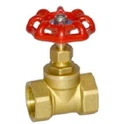
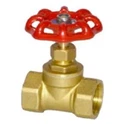
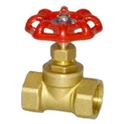
In some cases, the gas itself can contain impurities that can damage the valve. For instance, if the gas has a high sulfur content, it can corrode the internal components of the valve. A Handle Gas Valve can be particularly vulnerable to contamination if the handle mechanism allows dirt to enter the valve body.
To avoid contamination issues, it's important to use proper filtration systems. Make sure that the gas supply is clean and free from debris. Regularly clean the valves and replace any filters as recommended by the manufacturer.
3. Electrical Problems
Many modern gas valves are electronically controlled. This means that electrical issues can cause them to fail. A faulty solenoid, which is responsible for opening and closing the valve, can prevent the valve from operating correctly. Loose connections, damaged wiring, or a malfunctioning control board can also lead to problems.
For example, in a Gas Regulator Valve, an electrical problem can disrupt the pressure regulation function. If the valve can't maintain the correct pressure, it can lead to unsafe operating conditions. To troubleshoot electrical problems, you'll need to have some basic knowledge of electrical systems. It's often a good idea to have a professional electrician check the valve if you suspect an electrical issue.
4. Overpressure
Overpressure is a serious issue that can cause gas valves to fail. If the pressure in the gas system exceeds the valve's rated capacity, it can damage the valve. This can lead to leaks, valve seat damage, or even complete valve failure.
Overpressure can occur due to a variety of reasons, such as a malfunctioning pressure regulator or a sudden blockage in the gas line. In a Double-Fork Gas Valve, overpressure can put excessive stress on the fork mechanism, causing it to break.
To prevent overpressure problems, make sure that your gas system is equipped with proper pressure relief devices. Regularly check the pressure in the system and ensure that it stays within the recommended range.
5. Temperature Extremes
Gas valves are designed to operate within a certain temperature range. Extreme temperatures can affect the performance of the valve and cause it to fail. In cold temperatures, the lubricants inside the valve can thicken, making it difficult for the valve to operate smoothly. In hot temperatures, the materials used in the valve can expand, leading to leaks or other problems.


For example, a Handle Gas Valve exposed to extreme heat may experience warping of the handle or other components. This can prevent the valve from being opened or closed properly. To protect your gas valves from temperature extremes, consider using insulation or other temperature control measures.
6. Improper Installation
Improper installation is a common cause of gas valve failure. If the valve is not installed correctly, it may not function properly from the start. This can include issues such as incorrect alignment, improper sealing, or using the wrong size of valve for the application.
For instance, if a Gas Regulator Valve is installed without proper support, it can vibrate and cause damage over time. To ensure proper installation, always follow the manufacturer's instructions. If you're not confident in your installation skills, it's best to hire a professional.
7. Corrosion
Corrosion is a slow but steady killer of gas valves. Exposure to moisture, chemicals, or certain gases can cause the metal components of the valve to corrode. This can weaken the valve structure and lead to leaks or other failures.
In a Double-Fork Gas Valve, corrosion can affect the fork mechanism, making it difficult to operate. To prevent corrosion, choose valves made from corrosion-resistant materials. You can also apply protective coatings to the valve and keep the environment around the valve dry.
Conclusion
As you can see, there are many potential failure modes for gas valves. By understanding these issues and taking proactive steps to prevent them, you can ensure the safe and reliable operation of your gas systems. At our company, we're committed to providing high-quality gas valves that are built to last. If you're in the market for gas valves or need advice on gas valve maintenance, don't hesitate to get in touch with us. We'd be happy to help you find the right solution for your needs.
References
- "Gas Valve Handbook" - A comprehensive guide on gas valve technology and maintenance.
- Industry standards and guidelines for gas valve installation and operation.