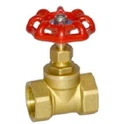
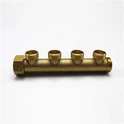
Hey there! As a supplier of brass fittings, I've seen firsthand how crucial it is to ensure a proper fit for these components. Whether you're a DIY enthusiast or a professional plumber, getting that perfect fit can save you a ton of headaches down the road. In this blog, I'm gonna share some tips and tricks on how to make sure your brass fittings fit just right.
Understanding the Basics of Brass Fittings
Before we dive into the fitting process, let's quickly go over what brass fittings are and why they're so popular. Brass is an alloy made primarily of copper and zinc, which gives it excellent corrosion resistance, durability, and malleability. These properties make brass fittings ideal for a wide range of applications, including plumbing, heating, and gas systems.
There are several types of brass fittings available on the market, each designed for a specific purpose. Some common types include elbows, tees, couplings, and adapters. When choosing the right fitting for your project, it's important to consider factors such as the size, shape, and thread type of the pipes you'll be connecting.
Measuring and Selecting the Right Size
One of the most important steps in ensuring a proper fit is measuring the pipes accurately. You'll need to measure both the inside diameter (ID) and outside diameter (OD) of the pipes to determine the correct size of the fitting. Using a caliper or a tape measure, take multiple measurements at different points along the pipe to ensure accuracy.
Once you have the measurements, you can select the appropriate fitting size. It's crucial to choose a fitting that matches the pipe size exactly. A fitting that is too small may not fit properly, while a fitting that is too large can cause leaks. Most brass fittings are labeled with their size, so make sure to check the label before making a purchase.
Preparing the Pipes and Fittings
Before installing the brass fittings, it's important to prepare the pipes and fittings properly. Start by cleaning the ends of the pipes to remove any dirt, debris, or rust. You can use a wire brush or sandpaper to clean the pipes thoroughly.
Next, apply a thin layer of pipe thread sealant or Teflon tape to the male threads of the fitting. This will help create a tight seal and prevent leaks. Make sure to wrap the tape in the direction of the threads, and don't overdo it – too much tape can cause the fitting to bind or break.
Installing the Brass Fittings
Now that the pipes and fittings are prepared, it's time to install them. Start by hand-tightening the fitting onto the pipe, making sure it is aligned correctly. Use a wrench to tighten the fitting further, but be careful not to over-tighten it, as this can damage the threads or the fitting itself.
For some types of brass fittings, such as compression fittings, you'll need to use a special tool to tighten them. Follow the manufacturer's instructions carefully to ensure a proper installation.
Testing for Leaks
Once the fittings are installed, it's important to test for leaks. Turn on the water or gas supply and check for any signs of leakage around the fittings. If you notice any leaks, turn off the supply immediately and tighten the fitting further or replace the sealant.
It's also a good idea to pressure test the system to ensure it can handle the required pressure. You can use a pressure gauge to measure the pressure and make sure it is within the recommended range.
Special Considerations for Different Types of Fittings
Pex Fitting for Heating
Pex Fitting for Heating are commonly used in heating systems. When installing these fittings, it's important to follow the manufacturer's instructions carefully. Make sure to use the correct crimping tool and crimp rings to ensure a secure connection.
Y-Type Brass Filter
Y-Type Brass Filter are used to remove impurities from the fluid flowing through the pipes. When installing these filters, make sure to install them in the correct orientation. The arrow on the filter body indicates the direction of flow.


Custom Brass Fittings
Custom Brass Fittings are designed to meet specific requirements. When working with custom fittings, it's important to communicate your needs clearly with the manufacturer. Provide accurate measurements and specifications to ensure the fitting is made to your exact requirements.
Troubleshooting Common Issues
Even with the best preparation and installation, you may encounter some issues with your brass fittings. Here are some common problems and how to solve them:
- Leaks: If you notice a leak around a fitting, check to make sure it is tightened properly. If the leak persists, you may need to replace the sealant or the fitting itself.
- Binding or Seizing: If a fitting is difficult to turn or seems to be binding, it may be due to over-tightening or debris in the threads. Try loosening the fitting slightly and cleaning the threads.
- Corrosion: Over time, brass fittings can corrode, especially in harsh environments. To prevent corrosion, make sure to choose high-quality fittings and use appropriate sealants. If corrosion does occur, you may need to replace the fitting.
Conclusion
Ensuring a proper fit of brass fittings is essential for the success of any plumbing or heating project. By following these tips and tricks, you can make sure your fittings fit correctly and prevent leaks and other issues. Remember, if you have any questions or need help with your brass fitting needs, don't hesitate to reach out. We're here to help you get the job done right. Whether you're working on a small DIY project or a large commercial installation, we have the expertise and the products to meet your needs. Contact us today to discuss your requirements and start your next project with confidence.
References
- Plumbing Handbook: A Comprehensive Guide to Plumbing Systems
- Brass Fittings Installation Manuals from Various Manufacturers