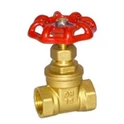
Can a brass gate valve be used in a pharmaceutical plant?
In the highly regulated and precise environment of a pharmaceutical plant, the selection of equipment and components is a critical decision that can significantly impact product quality, safety, and compliance. One such component that often comes under scrutiny is the gate valve. As a supplier of brass gate valves, I am frequently asked whether these valves are suitable for use in pharmaceutical plants. In this blog post, I will explore the characteristics of brass gate valves, the requirements of pharmaceutical plants, and evaluate whether brass gate valves can meet the standards of this specialized industry.
Characteristics of Brass Gate Valves
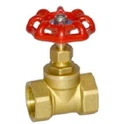
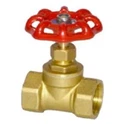
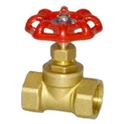
Brass gate valves are a popular choice in many industrial applications due to their unique properties. Brass, an alloy primarily composed of copper and zinc, offers several advantages that make it an attractive material for valve construction.
Firstly, brass has excellent corrosion resistance. This is particularly important in applications where the valve comes into contact with various fluids, as it helps to prevent the formation of rust and other forms of corrosion that could contaminate the fluid or damage the valve itself. In addition, brass is resistant to many chemicals, which allows it to be used in a wide range of environments.
Secondly, brass is a relatively soft and malleable metal, which makes it easy to machine into complex shapes. This allows for the production of gate valves with precise dimensions and smooth surfaces, which are essential for proper valve operation and sealing.
Thirdly, brass gate valves are known for their durability and long service life. They can withstand high pressures and temperatures, and are less likely to fail or require frequent maintenance compared to some other types of valves.
Finally, brass gate valves are relatively inexpensive compared to valves made from other materials such as stainless steel or titanium. This makes them a cost-effective option for many applications, especially in situations where budget constraints are a concern.
Requirements of Pharmaceutical Plants
Pharmaceutical plants are subject to strict regulations and standards to ensure the safety and quality of the products they produce. These regulations cover all aspects of the manufacturing process, from raw material sourcing to final product packaging. When it comes to the selection of valves, pharmaceutical plants have specific requirements that must be met.
One of the most important requirements is the prevention of contamination. Pharmaceutical products are intended for human use, and any contamination can have serious consequences for the health of the patients. Therefore, valves used in pharmaceutical plants must be made from materials that are non-toxic, non-reactive, and easy to clean. They must also be designed to prevent the accumulation of debris, bacteria, and other contaminants.
Another requirement is the ability to maintain a high level of purity. Pharmaceutical products often require a high degree of purity, and any impurities introduced during the manufacturing process can affect the quality and efficacy of the final product. Valves used in pharmaceutical plants must be able to prevent the ingress of foreign particles and maintain a clean and sterile environment.
In addition, pharmaceutical plants require valves that are reliable and consistent in their performance. Any failure or malfunction of a valve can disrupt the manufacturing process, leading to delays, product losses, and potential safety hazards. Therefore, valves used in pharmaceutical plants must be designed and manufactured to meet strict quality standards and undergo rigorous testing before being installed.
Finally, pharmaceutical plants often require valves that are easy to operate and maintain. This is important to ensure that the manufacturing process can run smoothly and efficiently, and to minimize downtime for maintenance and repairs.
Can Brass Gate Valves Meet the Requirements of Pharmaceutical Plants?
Now that we have discussed the characteristics of brass gate valves and the requirements of pharmaceutical plants, let's evaluate whether brass gate valves can meet the standards of this specialized industry.
In terms of contamination prevention, brass is generally considered to be a safe and non-toxic material. However, it is important to note that some brass alloys may contain small amounts of lead or other heavy metals, which can be a concern in pharmaceutical applications. Therefore, it is essential to ensure that the brass used in the valve construction is compliant with relevant regulations and standards, such as the FDA's requirements for materials used in contact with food and drugs.
In addition, brass gate valves can be designed and manufactured with smooth surfaces and polished finishes to prevent the accumulation of debris and bacteria. They can also be equipped with seals and gaskets made from materials that are compatible with pharmaceutical fluids and meet the required purity standards.
When it comes to maintaining a high level of purity, brass gate valves can be used in conjunction with other filtration and purification systems to ensure that the fluid flowing through the valve is free from impurities. However, it is important to note that brass is not as resistant to certain chemicals and solvents as some other materials, such as stainless steel. Therefore, in applications where the valve comes into contact with aggressive chemicals or solvents, stainless steel valves may be a more suitable choice.
In terms of reliability and consistency, brass gate valves are known for their durability and long service life. They can withstand high pressures and temperatures, and are less likely to fail or require frequent maintenance compared to some other types of valves. However, like any other valve, brass gate valves must be properly installed, operated, and maintained to ensure their reliable performance.
Finally, brass gate valves are relatively easy to operate and maintain. They can be opened and closed manually or automatically, depending on the application requirements. In addition, brass is a relatively soft and malleable metal, which makes it easy to repair or replace damaged parts.


Conclusion
In conclusion, brass gate valves can be used in pharmaceutical plants, but it is important to carefully evaluate their suitability for the specific application. While brass offers several advantages, such as corrosion resistance, ease of machining, and cost-effectiveness, it also has some limitations, such as its relatively low resistance to certain chemicals and solvents. Therefore, it is essential to ensure that the brass gate valve selected meets the requirements of the pharmaceutical plant in terms of contamination prevention, purity, reliability, and ease of operation and maintenance.
As a supplier of brass gate valves, we offer a wide range of products that are designed and manufactured to meet the highest quality standards. Our Customized Brass Gate Valve can be tailored to your specific requirements, ensuring that you get the perfect valve for your application. We also offer [Brass Gate Valve 1/2"] (/brass-valve/brass-gate-valve/brass-gate-valve-1-2.html) and PP - R Gate Valve options to meet different needs.
If you are interested in learning more about our brass gate valves or have any questions about their suitability for your pharmaceutical plant, please feel free to contact us. Our team of experts is always ready to assist you with your valve selection and provide you with the best solutions for your application.
References
- FDA regulations on materials used in contact with food and drugs.
- Industry standards for valve construction and performance in pharmaceutical applications.
- Technical literature on the properties and applications of brass and other valve materials.