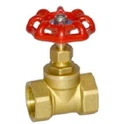
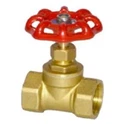
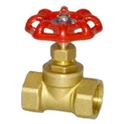
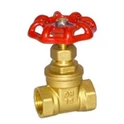
Hey there! As a supplier of brass gate valves, I've seen my fair share of these valves in various states of wear and tear. One of the most common questions I get from customers is, "How do I know if my brass gate valve needs to be replaced?" Well, in this blog post, I'm gonna break it down for you and give you some signs to look out for.
Visual Inspection
The first thing you can do is a simple visual inspection. Take a good look at the valve. If you see any visible cracks or corrosion on the body of the valve, that's a big red flag. Cracks can weaken the structure of the valve and lead to leaks, while corrosion can eat away at the metal, causing it to fail over time.
For instance, if you notice rusty spots or a greenish - looking substance on the valve, it's likely that corrosion has set in. This can be especially common in areas with high humidity or where the water has a high mineral content. And once corrosion starts, it's only going to get worse if you don't address it.
Another thing to check is the handle. If the handle is loose, won't turn smoothly, or is difficult to operate, it could be a sign of internal damage. Maybe the stem that connects the handle to the gate inside the valve is bent or worn out.
Leakage
Leakage is one of the most obvious signs that a brass gate valve needs to be replaced. If you see water dripping or spraying from around the valve, it's a clear indication that the valve is not sealing properly. This could be due to a damaged seat or a worn - out gate.
Sometimes, the leak might be small and only visible as a slow drip. But don't ignore it! Even a small leak can waste a significant amount of water over time and can also cause damage to the surrounding area. If the leak is coming from the packing gland (the area around the stem where it enters the valve body), it might be possible to tighten the packing nut to stop the leak. But if that doesn't work, it's probably time for a new valve.
Water Pressure Issues
If you're experiencing inconsistent water pressure in your plumbing system, a faulty brass gate valve could be the culprit. A valve that's partially blocked or not opening fully can restrict the flow of water, causing a drop in pressure.
On the other hand, if the valve is stuck open or doesn't close properly, it can lead to excessive water pressure in some parts of the system. This can put extra stress on other components in the plumbing, such as pipes and fixtures, and increase the risk of leaks or bursts.
Age of the Valve
The age of the valve is also an important factor to consider. Brass gate valves typically have a lifespan of around 20 - 30 years, depending on how often they're used and the conditions they're exposed to. If your valve is approaching or has exceeded this age range, it's a good idea to start thinking about replacement, even if it doesn't show any obvious signs of damage.
Over time, the internal components of the valve can wear out, and the brass can become more brittle. This makes the valve more prone to failure, so it's better to be proactive and replace it before it causes any major problems.
Compatibility with the System
Sometimes, a valve might need to be replaced not because it's broken, but because it's not compatible with the rest of the plumbing system. For example, if you've made changes to your plumbing, such as upgrading to a higher - pressure system, an old valve might not be able to handle the new conditions.
In this case, you might want to consider replacing the valve with a more suitable one. We offer a variety of valves, including Brass Gate Valve 1/2", which is a popular choice for many residential and commercial applications. If you need a valve made from a different material, we also have PP - R Gate Valve. And if you have specific requirements, we can provide Customized Brass Gate Valve to meet your needs.
How to Test the Valve
If you're still not sure if your brass gate valve needs to be replaced, you can perform a simple test. First, turn off the water supply to the valve. Then, open and close the valve several times to see if it operates smoothly. If it feels rough or if there's a lot of resistance, it could be a sign of internal damage.
Next, turn the water supply back on and check for any leaks. You can also monitor the water pressure in the system to see if it's consistent. If you notice any problems during these tests, it's probably time to replace the valve.
Conclusion
So, there you have it! These are some of the main signs that a brass gate valve needs to be replaced. By keeping an eye out for these issues and performing regular inspections, you can avoid costly plumbing problems down the road.
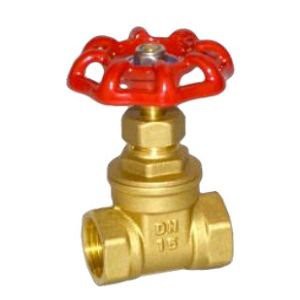

If you're in the market for a new brass gate valve or have any questions about our products, don't hesitate to reach out. We're here to help you find the right valve for your needs. Whether you need a standard valve or a customized solution, we've got you covered. Contact us today to start the procurement process and let's get your plumbing system in top shape!
References
- "Plumbing Handbook" - A comprehensive guide on plumbing systems and components.
- Industry standards and best practices for brass gate valves.