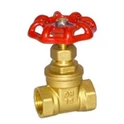
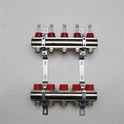
Hey there! As a supplier of water pipe fittings, I've seen my fair share of issues that customers run into. In this blog, I'll be talking about the common problems with water pipe fittings.
1. Leakage
One of the most common problems with water pipe fittings is leakage. It can happen for a bunch of reasons. First off, improper installation is a big culprit. If the fittings aren't tightened correctly, water can easily seep out. For example, when using threaded fittings, if the threads aren't properly engaged or if the sealing tape (like Teflon tape) isn't applied right, leaks are bound to occur.
Another reason for leakage is wear and tear. Over time, the rubber gaskets or O - rings inside the fittings can degrade. These seals are crucial for preventing water from escaping. High - pressure water flow can also cause damage to the seals, leading to leaks. And if the water has a high level of minerals or chemicals, it can corrode the fittings, weakening the joints and causing leaks.
If you're looking for reliable fittings to reduce the risk of leakage, check out our Stainless Steel Water Pipe Fittings. Stainless steel is resistant to corrosion, which can help prevent leaks caused by rust and chemical damage.
2. Corrosion
Corrosion is a major headache in the world of water pipe fittings. Different types of materials are affected in different ways.
Copper fittings, for instance, are generally quite durable, but they can still corrode. The water's pH level plays a big role here. If the water is too acidic or too alkaline, it can eat away at the copper. Also, the presence of certain chemicals like chlorine can speed up the corrosion process. When copper corrodes, it can form a greenish - blue patina on the surface. This not only looks bad but can also weaken the fitting over time.
Galvanized steel fittings are also prone to corrosion. The zinc coating on galvanized steel is supposed to protect the underlying steel, but over time, this coating can wear off. Once the steel is exposed, it starts to rust. Rust can clog the pipes, reducing water flow and eventually leading to pipe failure.
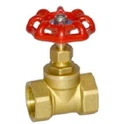
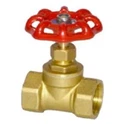
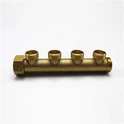
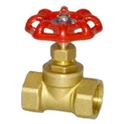
Our Copper Water Pipe Fitting are made with high - quality copper that's treated to resist corrosion. However, it's still important to monitor the water quality to ensure long - term performance.


3. Clogging
Clogging is another common issue. Sediment and debris in the water can build up inside the fittings. This is especially true in areas where the water has a high sediment content. For example, if you're using well water, there might be sand, dirt, or other particles in it. These particles can get trapped in the bends and joints of the fittings, gradually reducing the water flow.
Mineral deposits are also a big contributor to clogging. Hard water, which contains high levels of calcium and magnesium, can leave behind scale deposits. Over time, these deposits can build up and block the pipes. This not only reduces water pressure but can also cause damage to appliances that rely on a good water flow, like washing machines and dishwashers.
To prevent clogging, it's a good idea to install a water filtration system. This can help remove sediment and minerals before they reach the fittings.
4. Compatibility Issues
Sometimes, the problem isn't with the fitting itself but with how it interacts with other parts of the plumbing system. Different materials have different expansion and contraction rates. For example, if you mix a plastic fitting with a metal pipe, they might expand and contract at different rates when the temperature changes. This can cause stress on the joints, leading to leaks or even breakage.
Also, the size and type of the fitting need to be compatible with the pipes. Using a fitting that's too small or too large can lead to poor connections and leakage. It's important to carefully select the right fittings for your specific plumbing system.
5. Pressure Problems
High water pressure can put a lot of stress on the fittings. If the pressure is too high, it can cause the fittings to crack or the seals to fail. On the other hand, low water pressure can also be a problem. It might be due to clogged pipes, a problem with the water supply, or an issue with the fittings themselves.
If the fittings have a restricted flow area, it can contribute to low water pressure. For example, a fitting with a narrow opening can reduce the amount of water that can pass through, resulting in weak water flow.
6. Poor Quality Fittings
Using low - quality fittings is a recipe for disaster. These fittings might be made from inferior materials or have manufacturing defects. They're more likely to leak, corrode, or break compared to high - quality ones.
When choosing fittings, it's important to buy from a reputable supplier. Look for fittings that meet industry standards and have a good track record of performance. At our company, we take pride in offering high - quality water pipe fittings that are built to last.
7. Vibration and Noise
Vibration and noise in the plumbing system can be annoying and may also indicate a problem with the fittings. Loose fittings can vibrate when water flows through them, creating a rattling or humming noise. This can be caused by improper installation or wear and tear.
High - velocity water flow can also cause vibration. If the water is moving too fast through the pipes, it can create pressure waves that make the fittings vibrate. This not only makes noise but can also loosen the fittings over time.
Solutions and Prevention
So, how can you deal with these common problems?
- Proper Installation: Make sure to follow the manufacturer's instructions when installing the fittings. Use the right tools and techniques to ensure a tight and secure connection.
- Water Quality Monitoring: Test the water regularly to check for pH levels, mineral content, and the presence of chemicals. If necessary, install a water treatment system to improve the water quality.
- Regular Maintenance: Inspect the fittings periodically for signs of leakage, corrosion, or clogging. Replace any worn - out seals or damaged fittings promptly.
- Choose the Right Fittings: Select fittings that are compatible with your plumbing system and the type of water you're using. Consider the material, size, and pressure rating.
If you're facing any of these problems or are in the market for new water pipe fittings, don't hesitate to reach out. We're here to help you find the best solutions for your plumbing needs. Whether you need Stainless Steel Water Pipe Fittings or Copper Water Pipe Fitting, we've got you covered. Contact us today to start a conversation about your procurement needs.
References
- "Plumbing Handbook" by Samuel H. Francis
- "Water Quality and Its Impact on Plumbing Systems" by the American Water Works Association